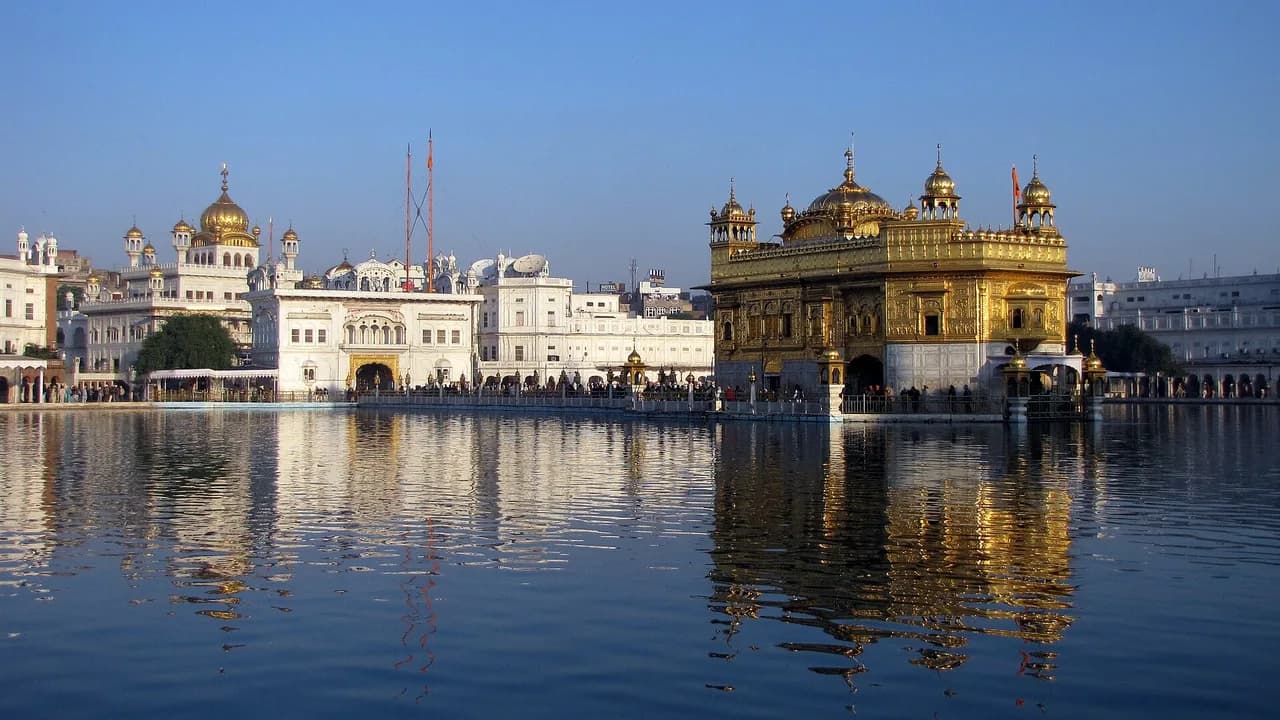
Amritsar and the Golden Temple: A Cardholder's Travel Guide
Published: 20 October 2026
Category: buying-guides | cardbuzz
Tags: golden temple, amritsar, punjab travel, pilgrimage travel, travel credit cards, wagah border, hotel booking cards, reward points
Amritsar pairs one of the world's most serene pilgrimage experiences — the Golden Temple, with its round-the-clock langar serving lakhs — with one of India's most energetic tourist circuits: Jallianwala Bagh, the Wagah border ceremony, and a food scene that justifies the trip on its own. Most visitors combine the spiritual and the sightseeing over two to three days, arriving by train, flight or road from Delhi and beyond. It is a trip with a healthy mix of big-ticket online bookings and cash-first street spending — which makes it a perfect case study in assigning each expense to its right payment method.
Planning the Arc: Two to Three Days, Well Sequenced
A well-planned Amritsar trip runs like this: arrive by afternoon, evening visit to the Golden Temple when it is lit up; next morning the langar and the temple complex at leisure, afternoon Jallianwala Bagh and the old city food walk, evening the Wagah border ceremony; depart the following morning. Some visitors add a day for Tarn Taran or the Durgiana Temple.
The paid components: transport to Amritsar (train, flight or fuel), two nights' hotel, local transport (autos, cabs), meals outside the langar, and shopping — Amritsari papad, wadiyan, phulkari textiles and juttis. The temple itself, the langar and Jallianwala Bagh cost nothing. Knowing what is free focuses your card strategy on the parts that actually move money.
Getting There: Trains, Flights and the IRCTC Decision
The Delhi–Amritsar rail corridor is served by fast trains including premium services, and the Shatabdi-type day trains make Amritsar a comfortable rail trip from the capital. For longer distances, overnight trains and flights both work — Amritsar's airport has good connectivity.
Apply the standard routing: IRCTC bookings go to the card that earns best on railway website purchases — a railway co-brand if you hold one, otherwise your best travel-category card. Flight bookings go to the card with the strongest airline earn, booked direct with the carrier where prices are comparable. For families, the transport leg is the trip's biggest expense, so getting this routing right matters more than optimising anything else.
Drivers from Delhi and Punjab should review their card's fuel surcharge terms before setting out, and recharge FASTag online through an earning card. The highway is tolled, and the toll recharges add up across a long weekend.
Hotels Near the Temple: Location Versus Price
Amritsar's hotel market clusters in two zones: the walled-city area near the Golden Temple (walking distance to the complex, atmospheric, often older properties) and the newer hotels on the Mall Road and airport road (more polished, requiring transport to the temple). Prices vary enormously between the two, and so does card acceptance.
Larger hotels in both zones take cards without fuss. Smaller guesthouses near the temple may prefer cash or add surcharges — ask at check-in. For aggregator bookings, the usual comparison applies: issuer travel portal versus aggregator versus direct, judged on effective cost after rewards. One Amritsar-specific consideration: hotels near the temple fill completely during Gurpurab and Baisakhi. Book refundable rates early for festival periods; the flexibility is worth more than a small non-refundable discount when plans involve elderly travellers and uncertain weather.
If your card carries hotel loyalty status with a chain that has an Amritsar property, this is the trip to use it — early check-in after an overnight train and a possible room upgrade meaningfully improve a short trip.
The Langar, the Prasad and the Cash Economy
The Golden Temple's langar is free and serves everyone — it is among the most moving experiences in Indian travel and it costs nothing. Karah prasad is distributed in the complex. Around the temple, the economy of prasad shops, jutta (shoe-keeping) tokens and small eateries is cash and UPI first.
This is worth stating plainly: do not try to optimise the devotional core of the trip with payment mechanics. Carry cash for the old city, use UPI where accepted, and keep the cards for the hotel, transport and shopping where they genuinely earn. A pilgrim arguing about card surcharges at a prasad shop has missed the point of being there.
Wagah, Jallianwala Bagh and Local Transport
The Wagah border ceremony is free to attend (with a token system on high-footfall days); Jallianwala Bagh is a memorial with nominal or no entry cost. The expense is getting there: autos and cabs for the Wagah run, which is a half-day excursion. Cab aggregators accept cards; street autos are cash. For a family, booking the Wagah cab through an aggregator on a card keeps one more spend in the rewards column with zero extra effort.
Shopping: Phulkari, Juttis and Papad on Cards
Amritsar's shopping — phulkari dupattas, punjabi juttis, papad-wadiyan, pickles — ranges from street stalls (cash) to established stores (cards accepted). The established textile and jutti houses in the old city and malls take cards routinely, and these purchases are often the trip's largest discretionary spend. This is legitimate card territory: meaningful amounts, proper receipts, and no surcharge games at reputable stores.
A caution for the old-city bazaars: verify the card machine belongs to the shop and watch the amount entered. Card fraud at tourist bazaars is usually crude — wrong amounts, double swipes — and easily caught if you are paying attention and have transaction alerts enabled.
Lounge Access and Station Comfort
Amritsar's airport has lounge facilities where a domestic-access card earns its keep, particularly on delayed evening departures. Amritsar Junction is a major station; if your card offers railway lounge access, the wait for a late-night train becomes comfortable. Check quotas and eligibility before the trip — lounge benefits are use-them-or-lose-them within their validity windows, and a pilgrimage trip is an ideal time to use them.
Food: From Kesar Da Dhaba to the Dhabas
Amritsar's food needs no introduction, and the legendary eateries are mostly cash-first establishments. Budget accordingly and enjoy it — the rare traveller regrets money spent on Amritsari kulcha. For the occasional upscale meal at a hotel restaurant, the card comes out. The split is natural: street food in cash, hotel dining on the card, and no attempt to force one into the other's territory.
Drivers should note the highway dhabas on the Delhi–Amritsar route — the ones around Murthal and beyond are institutions in their own right, and a well-timed dhaba stop breaks the drive beautifully. These are cash and UPI establishments; factor a meal stop into the cash float rather than treating it as an afterthought. The dhaba bill for a family is modest, but arriving without cash at a highway dhaba with no ATM nearby is an avoidable annoyance on an otherwise smooth trip.
Day Trips Within Reach: Tarn Taran, Durgiana and the Border Belt
Travellers with a third day often look beyond the city. Tarn Taran Sahib, one of Sikhism's most revered shrines, lies within easy driving distance and pairs naturally with the Golden Temple visit. The Durgiana Temple — Amritsar's Lakshmi Narayan temple, architecturally echoing the Golden Temple in the middle of a lake — is within the city and often missed by hurried itineraries. Further afield, the border belt villages offer a quieter Punjab.
These excursions are small-transaction territory: fuel or a hired cab, entry-free shrines, cash-first eateries. The card play is minimal — which is precisely the point to internalise. Not every part of a trip needs card optimisation. For the Tarn Taran run, a hired cab booked on an aggregator by card keeps the transport spend clean; for the Durgiana Temple, it is a short auto ride in cash. Budget the day in cash, enjoy the lack of financial friction, and save the card discipline for the hotel folio and the shopping where it counts.
One practical note for the Wagah ceremony, which many combine with these excursions: on high-footfall days the BSF issues tokens for the gallery, and arriving early is non-negotiable. The ceremony's timing — late afternoon — means the return drive happens after dark; if you are self-driving, factor this into the day's plan rather than improvising transport at the border.
A Cardholder's Amritsar Checklist
- Route trains through the best IRCTC-earning card; flights through the best airline-earning card, booked direct.
- Check fuel surcharge terms before driving; recharge FASTag online on an earning card.
- Book festival-period hotels early on refundable rates; confirm card acceptance and surcharge policy at check-in.
- Use hotel loyalty status for early check-in after overnight journeys.
- Book Wagah cabs on aggregators by card; keep cash for autos and the old city.
- Shop for textiles and juttis at established stores where cards are accepted cleanly; enable transaction alerts.
- Carry a backup card on a different network, and a modest cash float for the temple complex and street food.
Amritsar is that rare trip where the most profound experiences are free and the logistics are straightforward. Let the cards handle the logistics — transport, hotels, shopping — and leave the cash for the streets and the serenity for the temple.

Comments
No comments yet
Be the first to share your experience with this card.