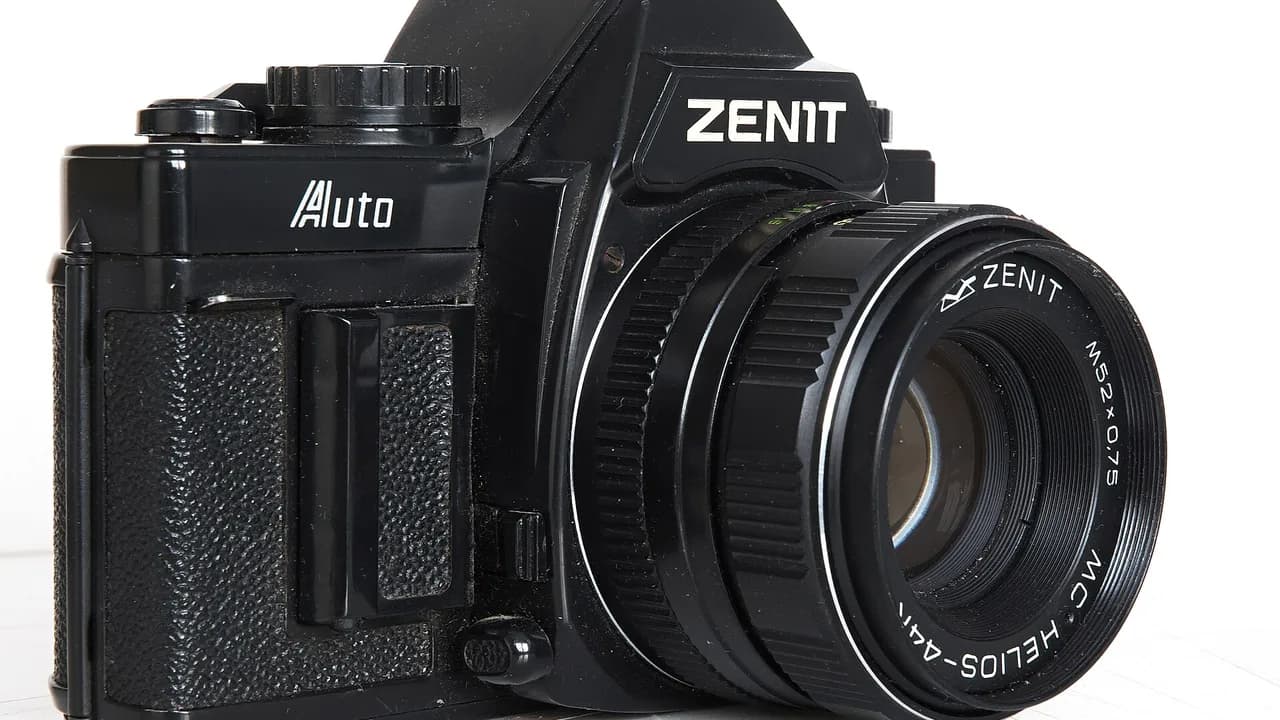
Camera Bodies and Lenses on a Credit Card: Full Payment or EMI
Published: 22 October 2026
Category: buying-guides | cardbuzz
Tags: camera gear, camera body, lenses, EMI, credit card rewards, bank offers, photography equipment
A camera body or a professional lens is rarely an impulse purchase. It is a working asset, and the price tag often runs into several months of income. When that is the case, how you pay matters almost as much as what you buy. A credit card gives you two obvious paths: pay the full amount and earn rewards, or convert the purchase into monthly instalments and spread the cost over time.
Both routes are legitimate, and photographers use both all the time. The right choice depends on your cash flow that month, the interest the bank charges on the instalment plan, and how your card treats rewards on converted transactions. Get the comparison wrong and you either pay unnecessary interest or leave rewards on the table. This guide walks through the mechanics so you can decide with a clear head.
Pay in full: what you gain
Paying the full bill has one unbeatable advantage: zero interest. You also earn rewards at your card's standard rate, since full payments are exactly the kind of spending reward programmes are built for. If your card offers milestone benefits, a single large gear purchase can push you meaningfully closer to the next threshold.
There are two watch-outs. First, your credit limit: a body plus a lens in one transaction can eat a large share of it, which is fine as long as you pay the bill in full. Second, your reported utilisation. A single heavy statement cycle can show high utilisation on your credit report for that month. Utilisation is a genuine input into credit scores, so if you are about to apply for a loan or a new card, consider paying the card down before the statement date rather than waiting for the due date.
How credit card EMIs actually work
When you convert a purchase to EMI, the bank does not simply split your bill. It creates a separate loan against your card: the interest is added to each monthly instalment, a one-time processing fee is usually charged, and the outstanding EMI balance keeps a portion of your credit limit blocked until the plan ends. That blocked limit reduces what you can spend on the card for shoots and travel in the meantime.
Two details catch people out. First, many cards reduce or remove reward earnings on EMI conversions, so the points you would have earned on a full payment may vanish entirely. Check your card's terms before converting. Second, pre-closing an EMI plan early usually attracts a foreclosure charge, so you cannot treat the plan as a free trial of instalments.
The math to run before converting
The comparison is simpler than it looks. On one side, add up the total outflow of the EMI route: every instalment plus the processing fee. On the other side, take the full-payment route: the purchase price minus the approximate value of the rewards you would earn. Whichever total is lower wins, provided your cash flow can handle the full payment without stress.
A useful rule of thumb: if the EMI interest over the tenure clearly exceeds the reward value of the purchase, the instalment plan is only worth it when you genuinely need the cash-flow breathing room. Interest on card EMIs is a real cost, while rewards are a discount. Never pay a cost larger than the discount unless the timing of your cash flow forces your hand.
Stacking bank offers at camera retailers
Camera retailers, both online marketplaces and large offline chains, routinely run card-linked offers. The common ones are no-cost EMI plans, instant discounts on specific bank cards, and exchange bonuses on older gear. Each works differently. No-cost EMI typically means the retailer or bank absorbs the interest, so the plan genuinely costs you nothing extra, but always confirm there is no hidden processing fee eating the benefit. Instant discounts apply at billing and reduce the base price itself, which also reduces any EMI principal if you combine the two.
The trap is stretching your purchase to fit an offer. Buying a more expensive lens than you planned because a card gets an extra discount on it is not saving money; it is spending more to earn less. Choose the gear first, then look for the best payment route for exactly that item.
Timing also matters around new product launches. When a new body is announced, previous-generation models often see price cuts at retailers, and those reduced prices combine with card offers the same way full prices do. If your work does not demand the newest sensor, buying the outgoing model with a card offer stacked on the reduced price is one of the best value moves in photography retail.
A practical decision checklist
Run through this list before you swipe. Can you pay in full without touching your emergency fund? If yes, that is usually the cheapest route. If not, is the EMI's total cost, interest plus fees, acceptable for the months of breathing room it buys? Does your card still earn rewards on converted transactions, or does conversion forfeit them? Have you checked the statement-date effect on your utilisation if a loan application is near? And finally, is there a genuine bank offer on this exact purchase, not a reason to upgrade the purchase itself? Answer those five questions and the right route picks itself.

Comments
No comments yet
Be the first to share your experience with this card.