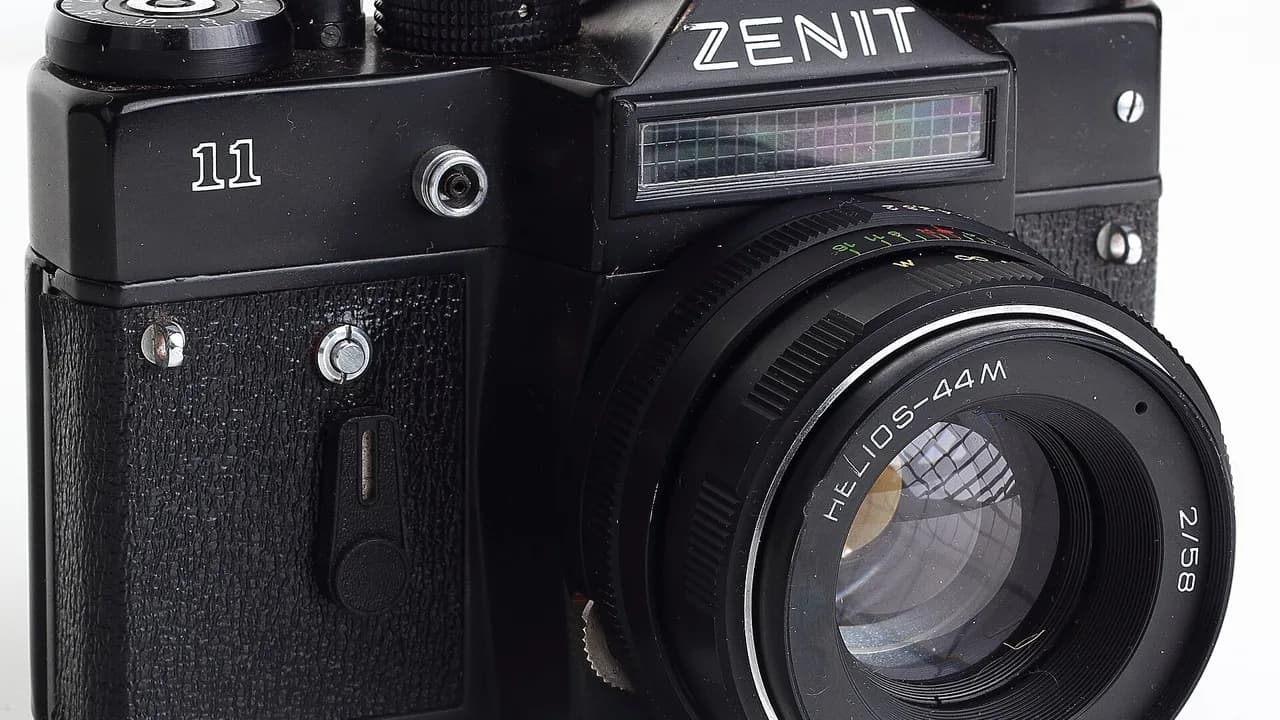
Cameras, mics and laptops: EMI versus full payment for journalists' gear
Published: 21 October 2026
Category: buying-guides | cardbuzz
Tags: camera gear, EMI, journalists equipment, buying guide, laptops
Every journalist eventually faces the same arithmetic. The camera body that would transform your video stories costs several months of income. The laptop that can actually handle your editing workflow is not the one the organisation issued you in 2019. The microphone that would make your podcast listenable is sitting in a cart, waiting. The question is never whether the gear is worth it. The question is how to pay for it without damaging the finances that let you keep working.
This guide compares the two realistic routes, paying in full on a credit card versus converting the purchase to EMI, through the specific lens of a journalist's income. It also covers the options most people miss, because the headline choice is rarely the whole story.
Start with what the gear earns, not what it costs
Journalists buy equipment for two different reasons, and the payment logic differs. Some gear is income-generating: a camera that lets you take on video assignments, a laptop that lets you edit freelance projects, a drone that opens up a new category of work. Other gear is quality-of-life: a better bag, a nicer monitor, the upgrade you want but do not strictly need.
Income-generating gear can justify financing, because the gear itself helps make the payments. If a new camera lets you accept two extra video assignments a month, the EMI is partly self-funding. Quality-of-life gear should be bought outright from savings, because financing a luxury on an irregular income is how journalists end up paying interest on something that never earned a rupee.
Be honest about which category your purchase falls into. The industry runs on gear envy, and half the equipment in any newsroom was bought for reasons that would not survive this test.
How no-cost EMI actually works
No-cost EMI is the most misunderstood financing product in Indian retail. The name suggests you pay no interest, and in the narrow sense that is true: the instalments add up to the product's price. But the price on no-cost EMI is frequently higher than the price available for full upfront payment, because retailers build the interest cost into a higher sticker price, or the card issuer forgoes the discount you would have earned paying in full.
The real cost of no-cost EMI is the foregone discount plus any processing fee plus the goods and services tax levied on the interest component. On a large purchase, these add up to a meaningful amount. None of this makes no-cost EMI a bad deal automatically. It makes it a deal that must be compared against the genuine upfront price, not the EMI sticker price.
Before choosing EMI, ask the retailer for the best cash-down price in writing, then compare the total of all EMI instalments against it. If the difference is small and your cash flow needs the smoothing, EMI wins. If the difference is large, the "no-cost" label is doing marketing work, not financial work.
When full payment on a credit card wins
Paying in full on a credit card and clearing the bill within the interest-free period is the cheapest way to buy anything, full stop. You get whatever upfront discount the retailer offers, you earn the card's rewards on the full amount, and you pay zero interest. For a journalist with the cash available, there is no contest.
Full payment also keeps your debt-to-income picture clean. EMI commitments show up as ongoing obligations, and lenders count them when assessing you for a home loan or a bigger card limit. A journalist planning a home purchase in the next year or two should be especially careful about stacking equipment EMIs, because each one trims the loan eligibility.
The catch is liquidity. Paying in full for a major camera setup can empty the emergency buffer, leaving you exposed the next time an invoice is delayed. If full payment would take your liquid savings below two months of essential spending, it is too expensive in risk terms even if it is cheapest in rupee terms.
When EMI is the right call
EMI makes sense in three situations. First, the gear will generate income quickly enough that the instalments are covered by new work, which turns the EMI into business leverage rather than consumption debt. Second, you have the discipline to treat the EMI as a fixed business expense and you have verified the monthly amount is payable even in a dry month. Third, the EMI offer is genuinely close to the cash price after accounting for foregone discounts and fees.
Choose the shortest tenure you can comfortably afford. Long tenures feel easier month to month but cost more in total and keep the obligation alive longer. For professional gear with a working life of three to four years, the EMI should ideally finish well before the gear needs replacing, otherwise you end up paying for the old camera while buying the new one.
Prefer EMI on a credit card over personal loans or store financing where the comparison is available, because card EMIs are usually simpler to prepay and the terms are standardised. But always check the foreclosure terms: some plans charge for early closure, which punishes the freelancer who lands a big assignment and wants to clear the debt.
The options between EMI and full payment
Two underused strategies sit between the headline choices. The first is the save-then-buy with a card in the middle: accumulate the amount in a liquid fund, buy on the credit card to capture rewards and purchase protection, then pay the bill in full from the accumulated amount. You get the rewards of card spending with the discipline of saving first.
The second is buying refurbished or previous-generation gear outright. Camera bodies and laptops depreciate fast, and a one-generation-old flagship bought outright often outperforms a new mid-range body bought on EMI, at a lower total cost and with zero debt. For microphones, recorders and lighting, the used market is even more favourable, since these items have few moving parts and long lives.
Also consider timing purchases to major sale periods, when the cash-down discount is steepest and the EMI math looks worst by comparison. Journalists who can wait two months for a sale routinely save enough to change the entire EMI-versus-cash calculation.
Protect the purchase whatever route you choose
Expensive gear gets stolen, dropped and rained on, which is the journalist's natural habitat. Some credit cards extend the manufacturer's warranty or offer purchase protection covering theft and damage for a limited period after purchase. If your card offers this, route the purchase through it regardless of whether you pay in full or convert to EMI, because the protection follows the card used.
Insure professional gear separately once its value crosses what you could replace from savings. A rider on a home insurance policy or a dedicated equipment policy costs far less than replacing a camera body, and insurers who cover journalists' equipment are used to the "it fell off a jeep" claim. Keep serial numbers, purchase invoices and photographs of every item in cloud storage, not just on the laptop that might be the thing that gets stolen.
Key takeaways
- Classify the gear as income-generating or quality-of-life before choosing how to pay; only the former can justify financing.
- Compare no-cost EMI against the genuine cash-down price, accounting for foregone discounts, processing fees and tax on the interest component.
- Full payment on a card is cheapest when you have the liquidity, and it keeps your debt-to-income picture clean for future loans.
- Take EMI only for income-generating gear, on the shortest comfortable tenure, with instalments payable even in a dry month.
- Consider the middle paths: save first then route through the card, buy previous-generation gear outright, or time purchases to sale periods.
- Route every gear purchase through a card with purchase protection and insure professional equipment separately.

Comments
No comments yet
Be the first to share your experience with this card.