Credit-Card Extended Warranty on TVs and Appliances: What It Is Actually Worth
Published: 19 October 2026 Category: buying-guides | cardbuzz
Buried in the guide-to-benefits booklet of many premium credit cards is a quietly valuable perk: extended warranty protection that adds extra coverage — often an additional year — on eligible electronics and appliances bought with the card. Because it costs nothing beyond the card's annual fee (which you may already be paying), it is worth understanding precisely what it covers before you spend money on a retailer's paid protection plan.
What card extended warranty typically does
The mechanics vary by issuer and card tier, but the common shape is:
- Coverage window: extends the manufacturer's warranty, usually by up to 12 additional months after the original warranty expires. A TV with a 1-year manufacturer warranty gets, in effect, a second year.
- Covered products: new electronics and appliances purchased wholly or partly with the eligible card — TVs, refrigerators, washing machines, air conditioners, and similar durables.
- Claim model: if the product fails during the extended period, the benefit typically reimburses repair costs or the purchase price (minus salvage), up to a per-claim and per-year cap.
- Activation: on many cards the cover is automatic when the card is used for the purchase; on others it requires registering the product within a set window (illustrative: 30–90 days of purchase).
This is a genuine insurance-style benefit underwritten by the card network or a partner insurer — not a marketing gimmick. But like all insurance, the value lies in the details.
What it usually does not cover
Read the exclusions before relying on it:
- Products with no manufacturer warranty — refurbished, open-box, or grey-market units typically do not qualify.
- Commercial use — appliances used in a business setting are generally excluded.
- Consumables and cosmetic damage — filters, remotes, scratches, and dents are not warranty failures.
- Installation-related damage — a botched installation is the installer's liability, not the warranty's.
- Theft, loss, or accidental damage — that is the domain of purchase protection (a separate, shorter benefit), not extended warranty.
- Very high-value items above the per-claim cap — on a flagship TV, the cap may cover only a fraction of replacement cost.
Putting a value on the free cover
How much is an extra year of warranty "worth"? Two ways to think about it:
Replacement-cost method. Compare with the retailer's paid extended plan for the same product. If the store sells a 1-year extension for an illustrative ₹3,500 on a ₹50,000 TV (illustrative figures), the card's free extra year is worth roughly that — minus the value of any coverage differences (service network, claim friction, caps).
Expected-value method. Most large appliances do not fail in year two. If the illustrative failure rate in the second year is 4% and the average repair costs ₹8,000 (both illustrative assumptions), the expected value is 0.04 × ₹8,000 = ₹320. This is the cold actuarial view — the benefit is worth more to a risk-averse buyer than the expected value suggests, because it caps a nasty tail risk.
Neither method is exact, but both beat the common approaches: assuming the benefit is worthless (wrong) or assuming it replaces a comprehensive protection plan (also wrong).
When the card cover lets you skip the paid plan
Consider declining the retailer's paid extension when all of these hold:
- Your card's extended warranty explicitly covers the product category.
- The per-claim cap comfortably exceeds the product's price (or the likely repair cost).
- You registered the product if registration is required, and kept the purchase proof.
- The manufacturer's own warranty is at least 12 months, so the card's extra year lands in the period where failures are still plausible.
- You are comfortable with a reimbursement claim process (submit documents, wait) rather than the retailer's on-call service.
If any of these fail — the cap is too low, registration was missed, the product category is excluded — the paid plan may still be justified. Do not discover the gap when the compressor dies.
The registration trap
The single biggest reason card extended-warranty claims fail is missed registration. Where the benefit requires it:
- Register within the stated window — set a reminder for the week after delivery, not the week after purchase (delivery can lag).
- You will typically need the purchase receipt showing card payment, the product serial number, and the manufacturer warranty terms.
- Keep a digital copy of the registration confirmation; claim forms years later will ask for proof the product was enrolled.
Automatic-activation cards remove this risk, which is itself a reason to prefer them for big appliance buys when you have the choice.
How it interacts with EMI and partial payments
Terms commonly require the product to be purchased with the eligible card — but "purchased with" has nuances:
- EMI conversions of the purchase on the same card generally still count, since the underlying transaction is a card purchase.
- Split payments (part card, part other) may still qualify if the card portion meets a minimum — or may not; terms vary.
- Exchange-adjusted bills qualify on the net charged amount; the benefit covers the product, not the discount.
If you plan to split a flagship TV across two cards for milestone reasons, check which card's extended warranty is stronger and put the larger share — or the whole product — on that card.
Claim documentation to keep from day one
Extended-warranty claims happen a year or more after purchase, when nobody remembers anything. From delivery day, file away:
- The invoice showing the card as payment method (last four digits visible).
- The manufacturer warranty card or terms.
- The card's benefit registration confirmation, if applicable.
- The authorised installation/service job sheets.
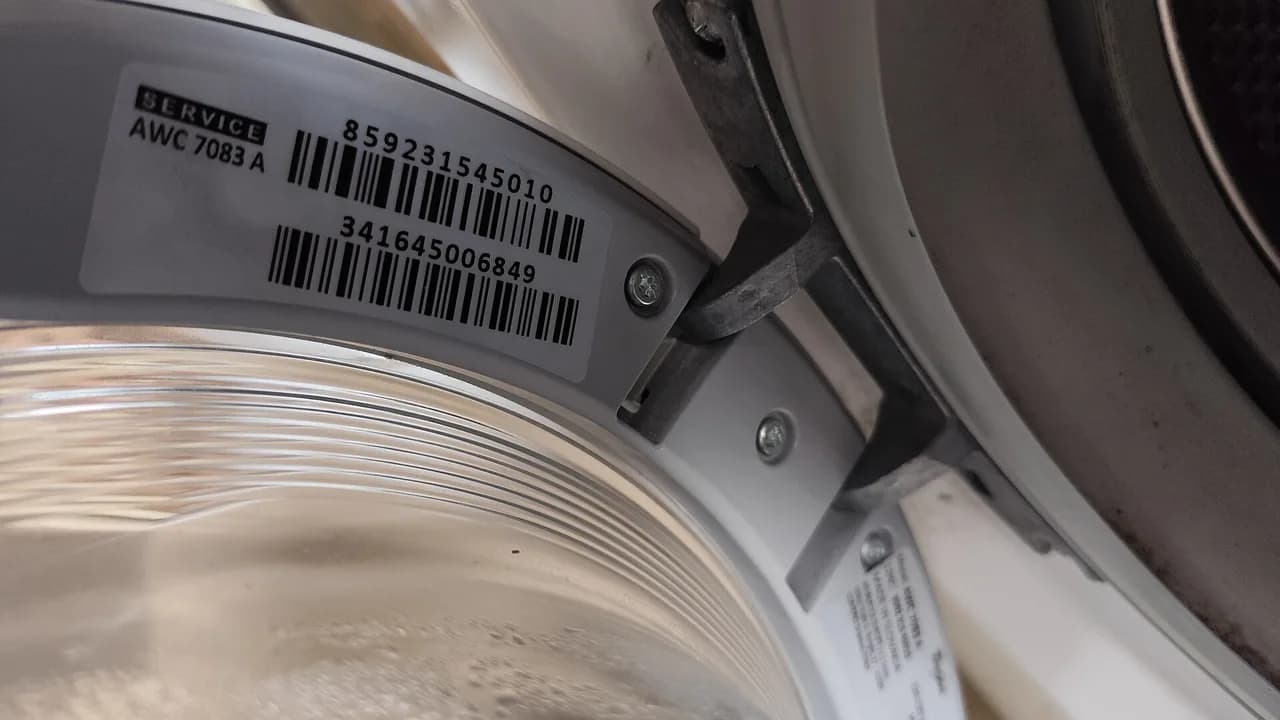
- Photos of the serial-number plate.
A folder per appliance, created at delivery, turns a future claim from an archaeological dig into a ten-minute form.
Bottom line
Card extended warranty is a real, funded benefit that can substitute for a paid protection plan on mainstream TVs and appliances — provided you verify coverage, respect the cap, register on time, and keep the paperwork. Before the festive season, check which of your cards carries the benefit and what its terms say; then let that knowledge, not the salesperson's pitch, decide whether the paid plan is worth buying.
All figures in this article are illustrative examples; actual benefit terms, caps, and registration requirements vary by card and issuer.



Comments
No comments yet
Be the first to share your experience with this card.