Daily commute and cab spends: credit card rewards for tech employees
Published: 21 October 2026
Category: how-to-guides | cardbuzz
Tags: credit cards, it professionals, commute, cabs, fuel, travel rewards
The commute is the most boring line in a tech employee's budget — and one of the most consistent. Daily cab rides to the office park, metro and bus recharges, fuel for the two-wheeler or car, the occasional airport run: transport spend recurs every working day, which makes it a dependable reward stream for whoever routes it deliberately. Few people do, because each ride feels too small to strategise. That is exactly why the optimisation is worth doing once and then forgetting about.
This guide covers how commute and cab charges post on cards, which card archetype fits transport spend, the fuel-surcharge mechanics every driver should know, and how to handle company transport allowances and reimbursements.
How commute charges post on cards
Cab app rides typically post as travel or transport merchant categories. This is good news: travel-category cards often accelerate exactly this spend, and even general rewards cards usually treat cab rides as qualifying online or travel spend rather than an exclusion.
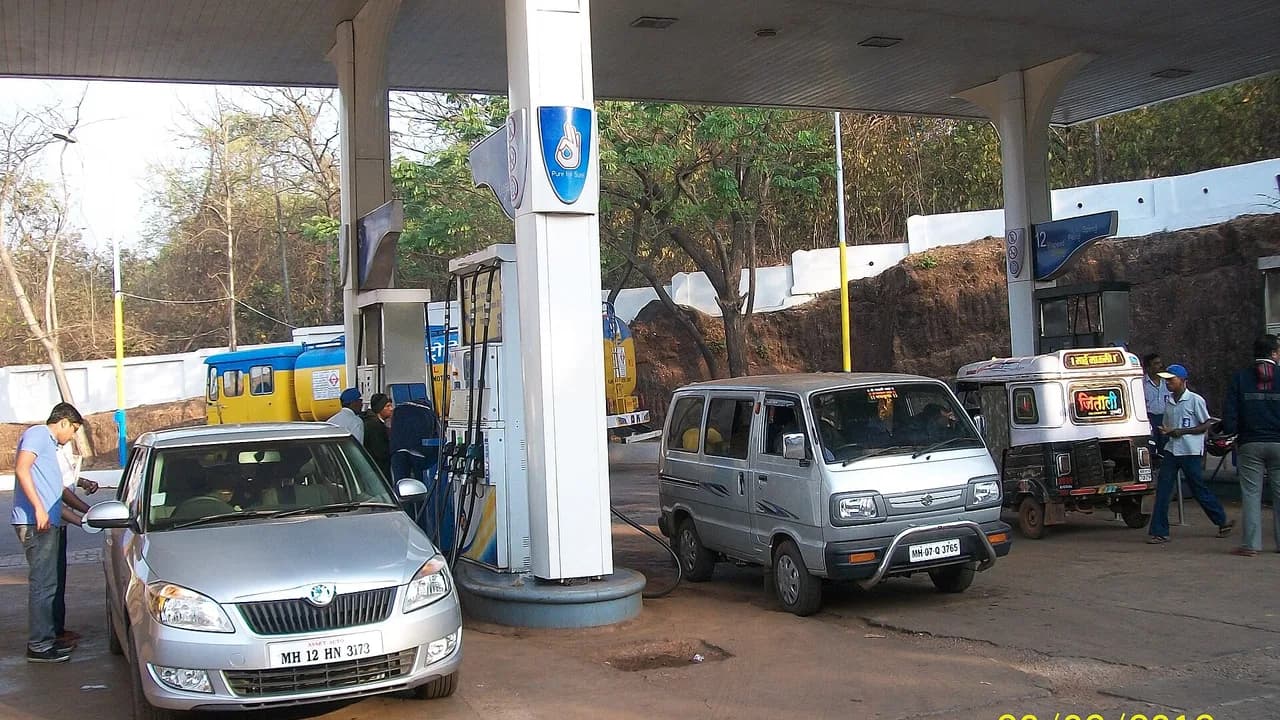
Fuel is the special case. Fuel purchases at petrol pumps carry a well-known mechanic: a fuel surcharge (a small percentage of the transaction) plus GST on that surcharge, applied to card payments at most pumps. Many fuel-oriented cards waive the surcharge up to a monthly cap; general cards usually do not, so the surcharge is a real cost on a fuel card mismatch. If you drive daily, the surcharge treatment alone can decide which card belongs at the pump.
Metro cards, bus passes and toll recharges are smaller tickets that post as transport or utility categories depending on the issuer. They rarely earn accelerated rewards, but they consolidate neatly onto one card for tracking.
Which card archetype suits commute spend
The answer splits by how you commute.
For cab-first commuters, a travel or general rewards card is the natural home. Cab rides are travel-category spend, and a travel card earns its intended rate on them. If cabs are your largest transport line, this is one of the cleaner category fits in a tech worker's wallet.
For drivers, a fuel card earns its place quickly. The surcharge waiver is the headline benefit — on daily fuelling it adds up — and fuel cards accelerate fuel-category spend by design. The caveat is category narrowness: a fuel card used for everything else earns poorly elsewhere, so it works best as a second card dedicated to the pump, not as your only card.
For mixed commuters — cabs some days, metro others, occasional driving — a general rewards card covering all transport spend is the pragmatic choice. The reward-rate differences between archetypes on mixed transport are modest; simplicity and a single consolidated statement usually win.
What to avoid: putting fuel on a card with no surcharge waiver while holding a fuel card unused in the drawer. That is paying a percentage on every tank for nothing.
Cab subscriptions, ride passes and corporate billing
Cab apps sell ride passes and commute subscriptions — bundled ride credits at a discount. Two things to know. The pass purchase posts as a single travel-category charge (usually reward-friendly), while the rides drawn against it generate no further charges. Buying the pass on the right card captures rewards on the whole bundle at once.
Corporate cab billing is a separate mechanic. Some employers run cab services billed to the company; others reimburse. If your cab spend is reimbursed, pay by card, keep the app's trip invoices, and file promptly — the statement plus invoice is the documentation finance expects. If the company provides transport directly, none of this applies, and the commute optimisation moves to whatever you actually pay: fuel, metro, or the last-mile cab.
One caution on auto-debit ride billing: cab apps with saved cards charge per ride automatically. That is convenient and reward-consistent, but keep the saved card current — a reissued card breaks the token, and a failed ride payment at 9 AM is a bad start to the day.
The fuel surcharge, explained properly
Because this trips up so many people, the mechanics deserve precision. When you pay for fuel by credit card, the pump typically adds a surcharge — a small percentage of the fuel bill — and tax applies on the surcharge itself. On a card with a fuel-surcharge waiver, the surcharge is reversed (usually up to a monthly cap); on other cards it stands as a cost.
The practical rules: always use the surcharge-waiver card at the pump, never a general card, if you hold one. Watch the monthly waiver cap — heavy drivers can exceed it, after which the surcharge applies again. And note that the waiver typically applies only at fuel pumps posting in the fuel merchant category; fuel bought at a supermarket or via a wallet may not qualify.
Tracking a daily spend without daily effort
Commute spend is high-frequency and low-attention, so the tracking system must be zero-effort. The simplest version: one card for all commute spend, and a monthly glance at the transport category total in the banking app. That single number — trending up or down — is the entire dashboard you need.
If your employer offers a transport allowance, reconcile the allowance against the actual card total quarterly. Allowances are usually fixed while commute patterns drift (office days change, cab prices move); the gap is either savings or a leak, and the card statement is the authoritative record.
Keeping commute spend from becoming debt
Transport is essential spend — you cannot simply stop commuting — which makes it dangerous to revolve. Essential spends on a revolved balance mean paying interest on non-optional costs, the worst category of debt there is. The commute card gets paid in full every month, always. If cash flow is tight, the commute is the last spend to move to a card you cannot clear — cut discretionary categories first.
Key takeaways
- Route cab rides through a travel or general rewards card so daily transport earns at travel-category rates.
- Use a fuel card with a surcharge waiver at the pump; never pay fuel on a general card while a fuel card sits unused.
- Buy cab ride passes on the right card to capture rewards on the whole bundle in one charge.
- Keep the saved card on cab apps current so tokenised ride billing never fails at commute time.
- Run all commute spend through one card and watch the monthly transport-category total as your dashboard.
- Reconcile transport allowances against actual card totals quarterly to catch drift.
- Pay the commute card in full every month — revolving essential transport spend is the costliest debt there is.


Comments
No comments yet
Be the first to share your experience with this card.