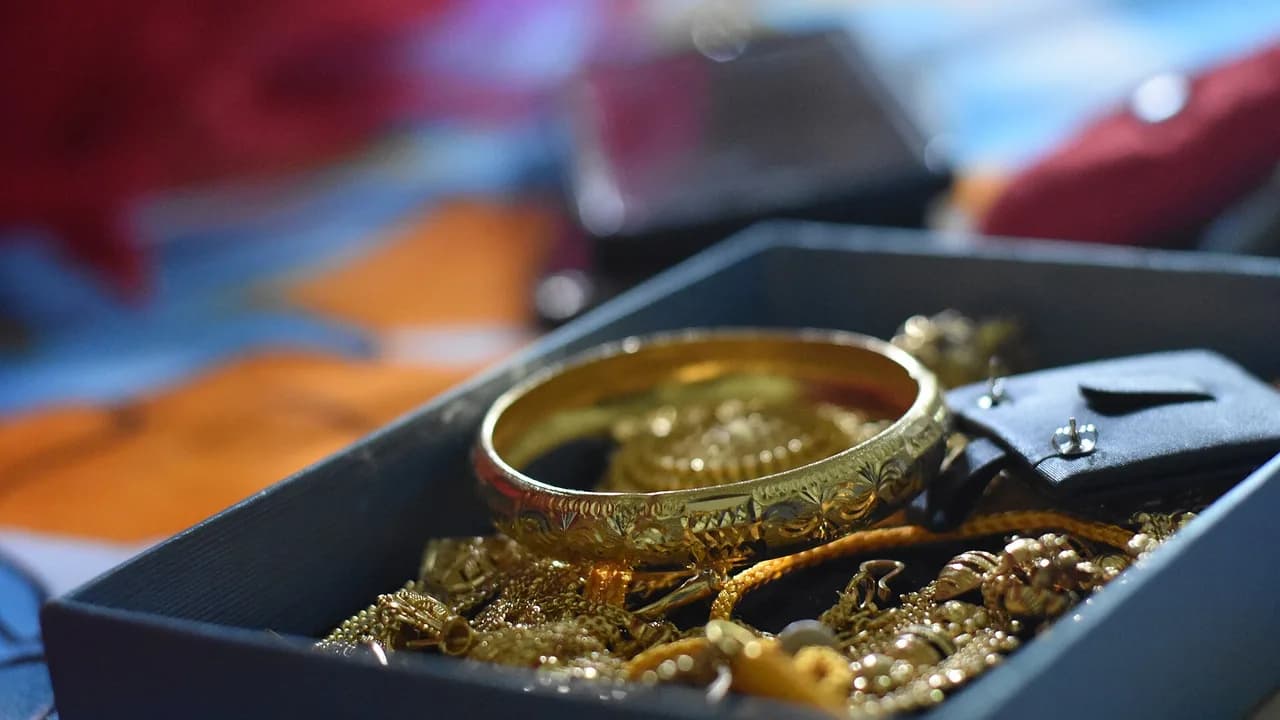
Dhanteras Gold and Jewellery (6 Nov 2026): Card Surcharges, Making Charges and Offer Windows
Published: 19 October 2026 Category: buying-guides | cardbuzz
Dhanteras — 6 November 2026 — is India's biggest gold-buying day, and jewellers build their entire festive calendar around it: making-charge discounts, zero-deduction exchange schemes, and lucky-draw campaigns. Cards have a complicated role here, because jewellery is one of the few categories where paying by card can cost more than paying by UPI.
The surcharge problem
Many jewellers add a 1–2% surcharge on card payments (their merchant-discount cost, passed to you), while UPI and bank transfers carry none. On a ₹80,000 gold purchase, a 1.5% surcharge is ₹1,200 — more than most cards' reward earn on the transaction. The rule is simple: ask for the card price and the UPI price separately, then compare. If the surcharge exceeds the card's reward value on the purchase, pay by UPI or bank transfer.
The making-charge lever
The negotiable component of jewellery pricing is the making charge (typically 8–25% of the gold value, varying by design intricacy). Dhanteras offers usually target this: "50% off making charges" or flat making-charge schemes. When comparing Dhanteras offers across jewellers:
- Compare making charges on the same design category — a flat-rate offer on plain bangles means little if you are buying intricate necklaces.
- Check whether the discount applies to the making charge only or also to wastage charges.
- Gold rate is non-negotiable and standardised; any jeweller charging above the day's rate is a red flag regardless of offers.
Digital gold and coins vs jewellery
For buyers whose motive is investment rather than adornment, Dhanteras week also brings offers on gold coins, bars and digital gold — where making charges do not apply at all. The card math is cleaner here (no surcharge at most bullion dealers' online counters), but verify the buy-back terms: the spread between buy and sell price is the real cost of gold as an investment.
The card strategy for jewellery week
- Confirm the surcharge first, in writing on the bill if possible.
- If paying by card, use the card with the highest flat earn rate — jewellery rarely has an accelerated category, and the amounts are large enough that even 1–2% matters (₹800–₹1,600 on ₹80,000).
- Watch the credit limit: an ₹80,000–₹2,00,000 jewellery purchase can consume most of a card's limit. Check available limit before the visit, and remember the utilisation normalises once paid.
- Keep the invoice and certification. BIS hallmarking is mandatory; the invoice with the day's gold rate protects both buy-back value and insurance claims.
Timing: Dhanteras vs the sale wave
Jewellery offers concentrate in the 3–5 days around Dhanteras (6 Nov), distinct from the electronics-focused Dussehra/Diwali sale wave. If the purchase is auspicious-date-driven, the date is fixed — optimise within it (surcharge check, making-charge comparison). If it is investment-driven, the cheapest day is whichever day the gold rate dips, Dhanteras or not.
Surcharge practices and making-charge schemes vary by jeweller. No specific jeweller offer is claimed here — confirm making-charge discounts and surcharges with the jeweller before buying.



Comments
No comments yet
Be the first to share your experience with this card.