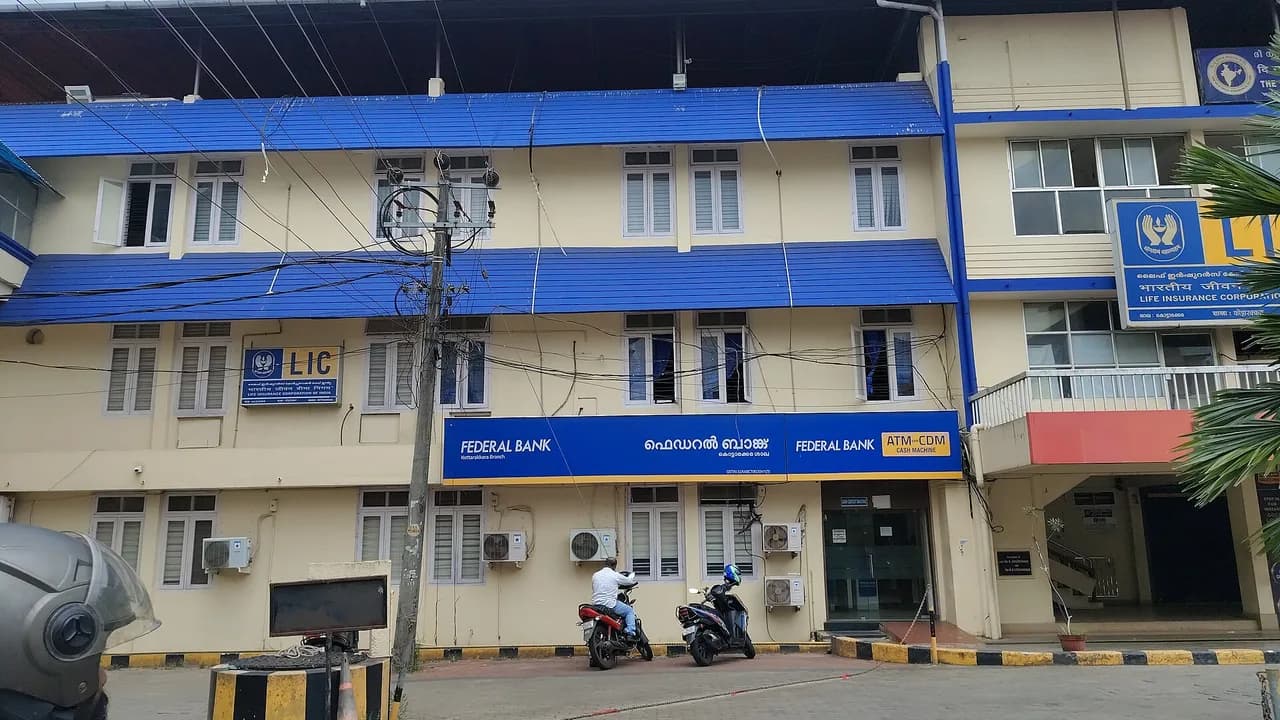
Federal Bank Credit Cards in 2026: The Complete Guide
Published: 20 October 2026
Category: card-reviews | cardbuzz
Tags: federal bank, credit cards, card reviews, india, 2026
Federal Bank is one of India's older private-sector banks, headquartered in Kochi, and for most of its history its credit card business was quiet. That changed when the bank began building its own card portfolio — a small, deliberately focused range rather than the sprawling menus larger issuers run. In 2026, a Federal Bank credit card is still something of a specialist product: not the first name that comes up in comparison threads, but worth a serious look for the right kind of spender.
This guide walks through the lineup as it stands, who the cards are really built for, what the fee structure tends to look like, where the rewards genuinely land, and where you'd be better off with a mainstream issuer. As always with smaller-bank cards, treat everything below as a starting point and confirm the current terms on Federal Bank's own website before applying — small issuers revise schedules and card lineups more often than the big four do.
The card lineup
Federal Bank's own credit card range has historically centred on three products, and the architecture of that lineup tells you a lot about the bank's strategy. At the top sits the Celesta, positioned as the bank's flagship lifestyle card with travel-leaning perks. The Imperio sits in the middle as the all-rounder, and the Signet serves as the entry point for first-time cardholders and younger customers.
This three-tier ladder is the classic small-bank playbook: entry, mid, and premium, each with a distinct audience, rather than the dozen overlapping variants a large issuer might offer. The upside of a tight range is clarity — you can actually figure out which card fits you without a spreadsheet. The downside is that there are no niche products: if you want, say, a dedicated fuel card or an ultra-premium metal card with concierge layers, this bank simply does not play in that space.
Federal Bank also distributes co-branded and partnership cards from time to time, and it has at various points issued cards in collaboration with other brands. Partnerships are the most volatile part of any small bank's card business, so always check whether a co-branded product you read about is still open for new applications.
Eligibility: who these cards are actually for
Federal Bank underwrites like the conservative private-sector lender it is. The broad shape of eligibility across the lineup:
- Age: applicants are typically between 21 and 65 for primary cards, with add-on cards available for younger family members.
- Income: the entry-level Signet has historically been aimed at salaried individuals with modest monthly income thresholds, while the Celesta asks for meaningfully higher income. Self-employed applicants are considered, but documentation scrutiny tends to be heavier than at the large private banks.
- Credit history: a CIBIL score in the mid-700s or above is the practical floor for the mid and top tiers. Federal Bank does not appear to run the thin-file-friendly instant-approval programmes some large issuers use; if your credit file is young, the entry card plus a few months of clean usage is the realistic path.
- Relationship with the bank: existing Federal Bank savings or salary account holders generally see smoother processing and, in some periods, relaxed documentation. This is a real and repeatable advantage of applying with a small bank where you already bank.
One honest note: approval timelines can run longer than the 48-hour promises big issuers advertise. Federal Bank's card operation is smaller, and physical verification steps still feature in the process. If you need a card urgently for a trip next week, apply elsewhere.
Fees and charges: what to expect
Federal Bank positions its cards as value offerings, and the fee ladder broadly follows the card tiers: the entry card carries a modest annual fee, the mid-tier card more, and the Celesta the highest. Fee waivers linked to annual spending thresholds have been a feature of the programme, which is the standard mechanism smaller banks use to keep good customers while filtering out dormant accounts.
What matters more than the headline fee is the surrounding charge structure:
- Interest on revolving credit: like every Indian issuer, Federal Bank charges monthly interest on carried balances. The exact rate sits in the bank's schedule of charges and moves with policy — never revolve a balance on any card if you can avoid it, and especially not on a card whose rate you haven't checked.
- Foreign currency markup: check the current markup on international spends before using the card abroad; this is one of the line items where small-bank cards vary most.
- Late payment and over-limit fees: standard across the industry; the bank's schedule lists the exact slabs.
The standing advice for any smaller-bank card applies here with force: download the current schedule of charges and the most-important-terms document, and read both before you sign. Portfolios at banks of this size get revised quietly, and fees you read about in a 2024 review may not match 2026 reality.
Rewards and benefits
Federal Bank's reward proposition is straightforward rather than spectacular. The cards earn reward points on spending, with accelerated earning on categories the bank wants to encourage — the mid-tier Imperio has historically been the rewards workhorse of the range, while the Celesta layers on lifestyle and travel perks above a points base.
Redemption typically runs through the bank's rewards catalogue: merchandise, vouchers, and in some periods air-mile conversions. Catalogue value per point is the number to compute before you commit — a card advertising "4X points" is meaningless until you know what a point is worth at redemption. As a rule of thumb, treat bank-catalogue points at small issuers conservatively when comparing against the big cashback cards.
Travel benefits on the Celesta have included lounge access and related privileges; the entry and mid cards keep such perks minimal or absent. If lounge access is a deciding factor for you, verify the current programme (number of visits, domestic versus international, guest policy) directly with the bank, because lounge programmes are the single most frequently devalued benefit in Indian credit cards.
Strengths
- A clean, unconfusing lineup. Three tiers, three audiences, no analysis paralysis. For a first-time applicant this is genuinely refreshing.
- Relationship banking upside. Federal Bank has a strong service culture in its home markets, and existing customers often report smoother issuance and better limit decisions than they'd get as strangers at a large bank.
- Sensible fee ladder. The cards are priced for their segments without the fee creep that afflicts some mid-tier products at bigger issuers. Spend-based waivers make the effective cost zero for active users.
- Decent digital servicing. The bank's mobile app and FedNet handle card management — statements, payments, limit changes — competently. It is not the slickest app in the industry, but it works.
Weaknesses
- Thin rewards versus the market leaders. If your benchmark is the best cashback or travel cards from the large issuers, Federal Bank's earn rates will feel modest. These cards compete on simplicity, not on reward math.
- Limited acceptance edge cases. Federal Bank issues on major networks, so acceptance is fine, but network-level offers (the targeted discounts that Visa and Mastercard run) tend to favour the large issuers' cards in practice.
- Small-bank operational quirks. Slower issuance, occasional documentation back-and-forth, and a rewards catalogue narrower than the big banks'. None of this is disqualifying, but set expectations accordingly.
- Portfolio volatility. Small banks add and withdraw cards more often. A card you love today could stop accepting new applications tomorrow — less of a problem for existing holders, more of one if you're comparison shopping.
Who should apply (and who should skip)
Apply if: you already bank with Federal Bank and want a no-drama card from your own bank; you're a first-time applicant who finds the big issuers' menus overwhelming; you're a moderate spender in Kerala or the bank's other stronghold regions where branch support is genuinely good; or you spend enough annually to trigger the fee waiver and just want a clean backup card.
Skip if: you are a rewards optimiser chasing the highest earn rates — the large issuers' flagship cashback and travel cards will beat these on pure math; you need instant or near-instant issuance; you want a deep premium card with extensive lounge and concierge layers; or you do heavy international spending and need a low forex markup (verify the current markup first — if it's uncompetitive, this alone is a dealbreaker).
Alternatives worth comparing
Before you apply, line the Federal Bank card you're considering against these:
- Large private-bank all-rounders. The mainstream rewards cards from the biggest issuers typically offer richer earn rates and deeper offer ecosystems, at similar or slightly higher fees. If rewards are your priority, start here.
- Entry-level cards from big issuers. If the Signet is on your shortlist as a first card, compare it against the well-known beginner cards — many are lifetime-free or have trivial waiver thresholds, with better apps and faster issuance.
- Co-branded cards matching your spend. If most of your spending sits with one merchant or category (fuel, groceries, travel), a co-branded card from a large issuer will usually beat a general small-bank card on that category.
How to apply
Applications run through Federal Bank's website, the mobile app, and branches. Keep income proof, address proof, and PAN ready; existing customers can often apply with minimal documentation through the app. Expect the process to take longer than the instant-approval flows at large banks — a week or two from application to card-in-hand is normal.
The bottom line: Federal Bank's credit cards are honest, unflashy products from a well-run regional bank. They won't win any rewards-rate shootout, but for existing customers and simplicity-seekers they are perfectly respectable. Just verify the current fees and benefits on the bank's website before applying — with smaller issuers, the fine print you read today is the only fine print that counts.


Comments
No comments yet
Be the first to share your experience with this card.