Fuel Card vs Toll Card Strategy: Splitting Fuel and Toll Spends
Published: 17 October 2026 Category: comparisons | cardbuzz
Fuel and tolls feel like one budget line — "driving costs" — but to your credit cards they are completely different transactions. Fuel is a point-of-sale purchase at a petrol pump, coded under fuel merchant category codes, carrying a surcharge that cards are specifically designed to waive. Tolls are FASTag wallet recharges — online loads into a prepaid wallet, which many issuers specifically exclude from rewards. Run both through the same card and you will almost certainly leave money on the table on one of the two. The winning strategy is to split them deliberately.
Why fuel and toll are different transactions
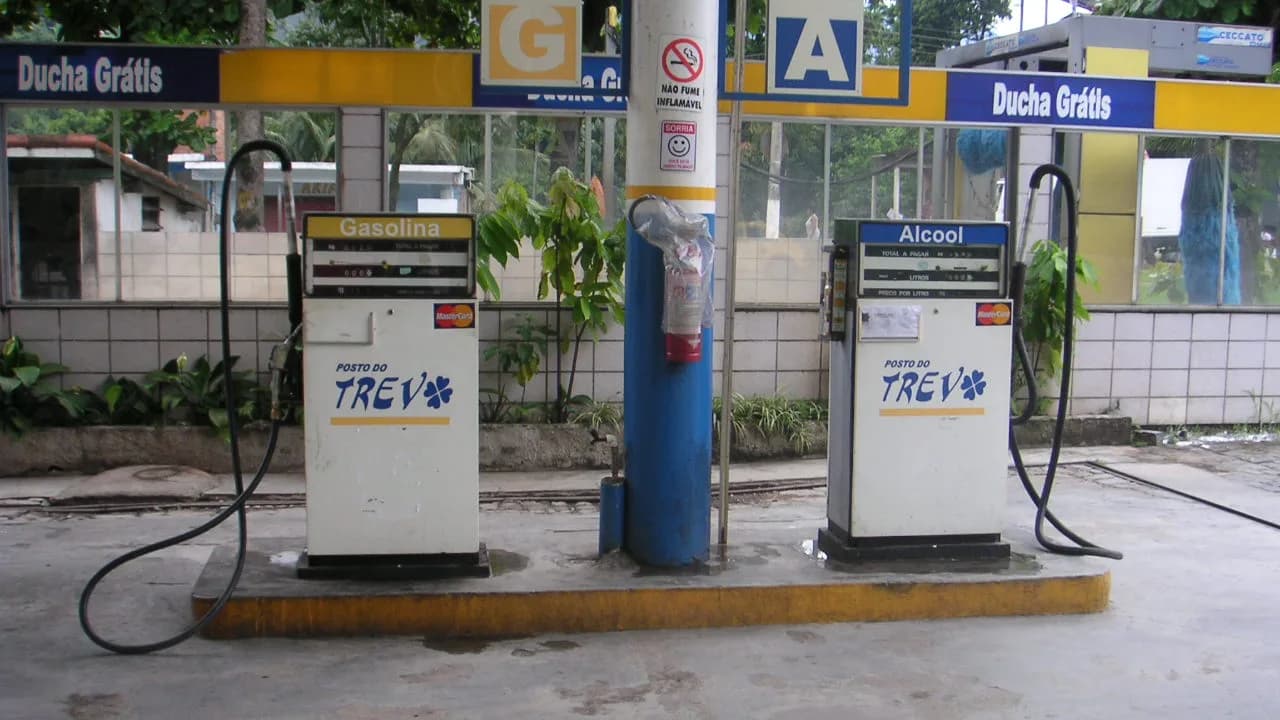
Fuel happens at the pump terminal. The merchant category codes are 5541 and 5542 (service stations), and the transaction carries a fuel surcharge — typically 1% — plus 18% GST on that surcharge. On a ₹2,000 fill, that is ₹20 of surcharge and ₹3.60 of GST, ₹23.60 in total before any waiver. The surcharge exists because pump dealers operate on thin margins and pass the card-processing cost to the customer rather than absorbing it.
Tolls almost never touch your card at the plaza. FASTag deducts from a prepaid wallet, and your card's only role is recharging that wallet — an online wallet-load transaction. No surcharge applies, but the reward treatment is harsher: wallet loads sit on many issuers' rewards-exclusion lists.
So the two spends have opposite card profiles. Fuel rewards you for using the right card (surcharge waivers, fuel-category bonuses) and punishes the wrong one (surcharge with no waiver). Toll rewards you only if the card happens to treat wallet loads generously — and most do not.
The fuel side: how surcharge waivers actually work
The fuel surcharge waiver is one of the most misunderstood benefits in Indian credit cards. Here is the precise mechanic:
- You swipe for ₹2,000 of fuel. The terminal adds the 1% surcharge (₹20) plus 18% GST on the surcharge (₹3.60). Your card is debited ₹2,023.60.
- If your card offers a fuel surcharge waiver and the transaction qualifies, the issuer reverses the surcharge — usually the ₹20 base surcharge — in the same or a subsequent statement.
- The GST portion (₹3.60) is typically not reversed on standard cards. Your real saving is ₹20, not ₹23.60. (Some premium or co-branded fuel cards offset even this residue with equivalent reward points — check the specific card's terms.)
Waivers come with gates. Most cards apply them only to transactions in a band — commonly ₹400 to ₹5,000 per swipe — and cap the monthly reversal, commonly ₹100–250 a month depending on the card. A ₹6,000 fill in one swipe may earn no waiver at all, while two ₹3,000 swipes do. Know your card's band and cap before you fill.
Co-branded fuel cards (IndianOil, HP and BPCL tie-ups, with programmes like XTRAREWARDS or HP Pay rewards) layer accelerated points on fuel-category spend on top of the surcharge waiver. For heavy drivers, the points — redeemable against fuel — are often worth more than the waiver itself.
The toll side: what a wallet load earns
FASTag recharges credit your tag's wallet, and the card network sees a wallet-load MCC, not a toll MCC. The consequences:
- Rewards: several major issuers exclude wallet loads from base reward earnings entirely. Others treat them as ordinary online spends. This single clause in the MITC decides whether your toll spend earns 0 or something.
- Milestones: wallet loads are frequently excluded from annual-fee-waiver spend thresholds and milestone calculations. ₹30,000 a year of toll recharges may count as ₹0 toward your fee waiver.
- Fees: some recharge platforms add a convenience fee on credit-card loads. Unlike fuel surcharge, there is no standard "toll recharge fee waiver" benefit — the fee, if any, is simply a cost.
The practical upshot: do not assume your fuel card is your toll card. A card with a superb fuel surcharge waiver may exclude wallet loads from rewards, making it a poor FASTag recharge card. Conversely, a flat-rate rewards card with no fuel surcharge waiver is a poor fuel card but may be a fine toll card if it does not carve out wallet loads.
The split strategy: a worked example
Take a driver spending ₹6,000 a month on fuel and ₹2,000 a month on tolls.
Card A (fuel specialist): 1% fuel surcharge waiver + accelerated fuel points, but wallet loads excluded from rewards. Card B (flat rewards): no surcharge waiver, but no wallet-load exclusion either.
Naive approach — everything on Card A: fuel earns the waiver plus points (good), toll recharges earn nothing (₹2,000/month of dead spend).
Naive approach — everything on Card B: fuel pays the 1% surcharge un-waived — about ₹720 a year in surcharge plus GST (bad) — while tolls earn the flat rate.
Split approach: fuel on Card A (waiver + points, roughly ₹720/year of surcharge avoided plus fuel points on ₹72,000 of annual fuel spend), tolls on Card B (flat rewards on ₹24,000 of annual recharges). Neither card does a job it is bad at. The split costs nothing extra — it is the same total spend, routed through two cards instead of one.
Four rules for the split
1. Read the wallet-load clause first. Before assigning any card to FASTag duty, search its MITC for "wallet" in the rewards exclusions. This one check decides the toll side of your strategy.
2. Respect the fuel band. If your card waives surcharge only between ₹400 and ₹5,000, split large fills across swipes — or accept that the overflow earns nothing. The band is per transaction, not per month.
3. Watch the monthly waiver cap. A ₹150/month waiver cap covers ₹15,000 of fuel at 1%. Beyond that, the surcharge sticks. Heavy drivers should check whether a second card — or simply paying cash/UPI for the overflow — beats eating the surcharge.
4. Revisit annually. Issuers revise exclusion lists and waiver caps without fanfare. The split that was optimal last year may not be this year. A ten-minute MITC re-read at renewal time protects the whole strategy.
What about debit cards and UPI?
Debit cards can also carry fuel surcharge waivers, though the terms are often stricter than credit equivalents. UPI at the pump carries no surcharge at all — but earns no rewards either. For tolls, UPI recharge of the FASTag wallet is free of convenience fees on most issuer apps, making it the rational choice when your credit card neither rewards the load nor waives a fee. The split strategy is not "credit cards for everything" — it is "the right rail for each spend," and sometimes the right rail is UPI.
Fuel and tolls will keep looking like one budget line in your head. Let your cards see them as the two different transactions they are, and the same driving budget quietly starts paying you back twice.



Comments
No comments yet
Be the first to share your experience with this card.