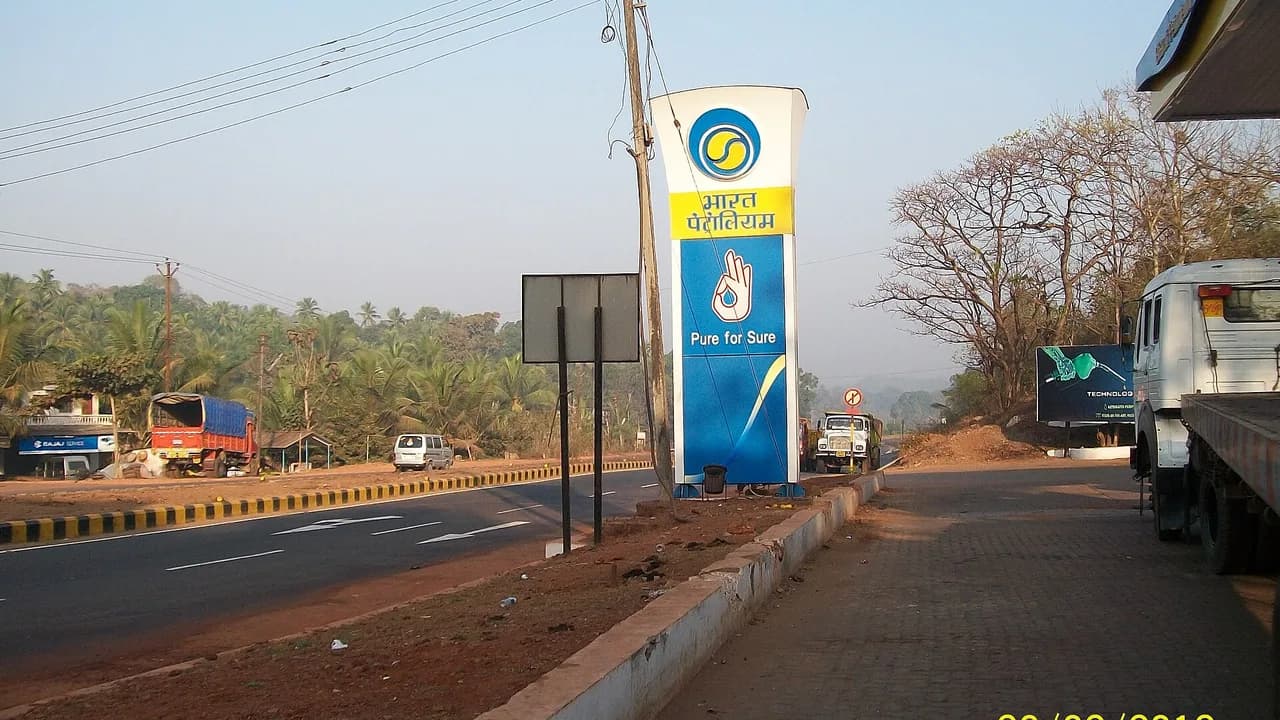
Fuel, tolls and vehicle spends: the right cards for field sales executives
Published: 21 October 2026
Category: how-to-guides | cardbuzz
Tags: credit cards, sales professionals, fuel, field sales, tolls, rewards, vehicle spends
Field sales runs on mileage. For executives covering territories by car or two-wheeler, fuel is not an occasional purchase — it is a weekly, sometimes twice-weekly, line item that can rival rent as the largest personal cash outflow. Tolls, parking, servicing and insurance stack on top. Paid on a generic card, this spend earns at base rates and often attracts surcharges; paid with intent, it is one of the most optimisable recurring spends a salesperson has.
This guide covers how fuel and vehicle spends post on cards, the surcharge mechanics at fuel stations, which card archetype suits each vehicle spend, and how field reps can stop leaking money at the pump.
How fuel transactions post on cards
Fuel purchases at most Indian fuel stations post under fuel merchant categories. This matters for two reasons. First, fuel is one of the few categories where issuers commonly apply a surcharge — a small percentage added to the transaction — though many cards waive it under specified conditions, typically capped per transaction or per billing cycle. Second, fuel is the category fuel cards accelerate; generic cards usually treat it as base-rate spend.
The surcharge is the detail most reps misunderstand. The waiver is a waiver, not a discount: it removes the extra charge but does not add rewards. And waivers usually carry a floor and a ceiling per transaction — very small fills and very large fills on a company vehicle may both fall outside the waiver band. If your fills are consistently large, check the cap rather than assuming every litre is covered.
Also note that fuel station convenience-store purchases post separately — snacks and car accessories bought inside the station often post as retail, not fuel. The distinction rarely matters much, but it explains statement oddities.
The fuel card archetype: when it wins
A fuel card is built for exactly one job: making fuel cheap to buy on credit. It typically combines a surcharge waiver with accelerated rewards on fuel-category transactions. For a field executive filling up several times a month on personal money, the maths usually favours it — fuel is a pure, unavoidable, high-frequency spend, and an archetype that treats it as the primary category outperforms a generic card that treats it as base rate.
The fuel card's weakness is everything else. Put groceries, dining and online shopping on it and they generally earn at base rates. So the winning structure is usually a two-card set-up: the fuel card lives in the car (or as the saved card on fuel-payment apps) and handles only fuel; the rewards card handles everything else. Mixing the roles dilutes both.
One caution: fuel rewards programmes sometimes restrict redemption or add conditions like redemption against fuel only. Read the redemption terms before committing your main fuel volume to a card — rewards you cannot use flexibly are worth less than they look.
Tolls, FASTag and parking
Toll spends behave differently from fuel. FASTag recharges made through wallet or bank apps typically post as wallet top-ups or online services, not as fuel — so a fuel card usually does not treat a FASTag recharge as fuel spend. A general rewards card, or whichever card handles your other online payments, is usually the better home for FASTag recharges.
Parking charges at malls, airports and commercial complexes usually post as parking or general services — small amounts, base-rate treatment on most cards. Not worth optimising; the routing that matters is fuel first, tolls second.
If tolls are reimbursable, the same receipt discipline as entertainment applies: FASTag statements from your issuer app serve as documentation, and keeping one card for all toll recharges simplifies the claim trail.
Servicing, insurance and tyres
Vehicle maintenance is lumpy but large — a major service or a set of tyres can exceed a month of fuel in one bill. These usually post as automotive services or retail. Two things matter here.
First, capacity planning: a large service bill landing on a card near its limit either declines or spikes utilisation. If you know a service is due, pay the card down beforehand or route it to the card with the most headroom.
Second, this is where a general rewards card earns its keep. Maintenance spends are infrequent enough that no one carries a "service card"; they belong on your primary rewards card, where a large lump earns a meaningful chunk at once and can contribute toward spend-linked milestones.
Motor insurance premiums paid annually are the same story — a big, predictable, once-a-year charge that suits your primary rewards card and can count toward fee-waiver thresholds. Schedule it early in a billing cycle to maximise the interest-free float.
Managing fuel spend across a territory
Field reps with large territories should think about fuel the way fleet managers do: track it per vehicle and per month. Three habits pay off.
Log fuel separately from other spends. Whether in an expense app or a simple spreadsheet, a fuel-only series reveals consumption trends — a sudden jump often means a routing inefficiency or a vehicle issue before it becomes a bill.
Reconcile reimbursements against actuals. If your employer pays a per-kilometre allowance, compare it monthly against your card fuel totals. Persistent gaps — allowance below cost — are data for the next appraisal or policy conversation, not a feeling.
Use the same card at the pump every time. Consistency gives you a clean fuel ledger with zero effort, and it concentrates the category volume where the fuel card's terms reward it.
Two-wheeler field reps
Two-wheeler-based field sales — pharma reps, FMCG distributors' teams — have a different fuel profile: smaller, more frequent fills. The surcharge-waiver floor matters more here; very small fills may fall below the per-transaction floor, meaning the surcharge applies. In that case, fewer, larger fills (filling the tank rather than topping up) can reduce surcharge leakage — a practical habit change that costs nothing.
Key takeaways
- Put fuel on a fuel card: it typically pairs a surcharge waiver with the best category treatment for pump transactions.
- Check surcharge-waiver floors and per-transaction caps — very small or very large fills may fall outside the waived band.
- Recharge FASTag on your general rewards card, since it usually posts as wallet or online-services spend rather than fuel.
- Route servicing, tyres and annual insurance to your primary rewards card, scheduled early in the billing cycle for maximum float.
- Keep fuel on one dedicated card or payment method so your fuel ledger builds itself for reimbursement and tax records.
- Track fuel per month against per-kilometre allowances — persistent gaps are evidence for policy conversations.
- Two-wheeler reps should favour fewer, larger fills to stay above surcharge-waiver floors.


Comments
No comments yet
Be the first to share your experience with this card.