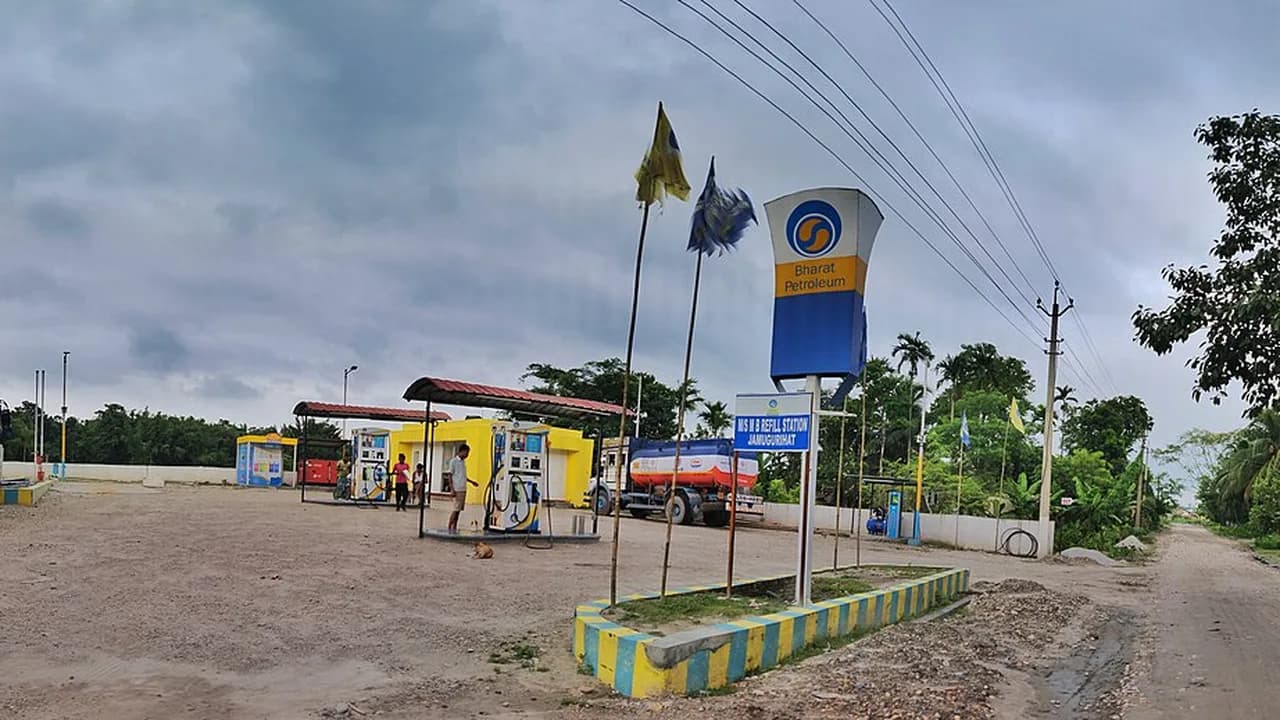
Fuel, Travel and Highway Spending: Card Strategy for Inter-City Travellers
Published: 19 October 2026
Category: buying-guides | cardbuzz
Tags: tier-2, small towns, fuel, travel, highway
Life outside the metros involves the highway. The monthly drive to the district headquarters, the quarterly trip to the nearest big city for shopping or medical care, the annual family journey to the native place, the business run to the mandi or the supplier. For many small-town households, fuel is the largest single card-able expense — and highway spending (fuel, tolls, food, stays) is where a smart card strategy pays for itself several times over.
The fuel maths: surcharge, rewards, and the real per-litre cost
Every credit card fuel transaction in India carries a fuel surcharge — typically 1% of the transaction value (plus GST on the surcharge). Fuel credit cards waive this surcharge, usually up to a monthly cap (commonly ₹100–₹250). Here is what that means in practice:
At ₹105 a litre, a ₹4,200 fill-up (40 litres) incurs a ₹42 surcharge without a waiver. With a waiver, you save that ₹42. Over a year of ₹8,000 monthly fuel spending, the waiver alone is worth roughly ₹960 — before counting any reward points.
But the surcharge has fine print that matters on highways:
- The waiver applies at the pump's POS machine. If you pay by UPI QR at the pump (increasingly offered), check whether your card's surcharge waiver covers UPI fuel transactions — many cards' terms specify the waiver applies to POS transactions at fuel stations. When in doubt, swipe at the machine for fuel.
- Minimum and maximum transaction limits apply. Most fuel cards waive the surcharge only on transactions between, say, ₹400 and ₹5,000. A ₹300 top-up for the scooter may not qualify; neither might a ₹6,000 full-tank fill for an SUV. Know your card's band and split fills if needed.
- The monthly cap is the real constraint. A ₹100 monthly cap covers ₹10,000 of fuel; beyond that you pay surcharge on the excess. Heavy drivers should look for cards with higher caps.
Beyond the waiver, fuel cards typically award reward points on fuel — often at an accelerated rate (illustratively, 4–5 points per ₹150). Converted at the card's redemption value, this adds another 1–2% effective return. Combined with the 1% surcharge waiver, a good fuel card returns roughly 2–3% on fuel — the highest reliable return available on any everyday category.
Co-branded fuel cards (issuer partnered with HPCL, IOCL, BPCL) add a further layer: accelerated points specifically at the partner company's outlets. These are worth it only if the partner's pumps are conveniently located on your regular routes. A card that pays 5x at HPCL is useless if your town's pumps are all Indian Oil. Map your route's pumps before choosing.
Tolls: the FASTag question
Highway tolls in India are paid via FASTag, recharged online. The recharge itself is a card-able transaction — pay it with your credit card through the FASTag issuer's portal or your bank's app, and it earns rewards at the card's base rate (check that the MCC is not excluded; most issuers treat FASTag recharge as a utility or general transaction).
Practical tips:
- Recharge in round figures (₹1,000, ₹2,000) to reduce transaction count and keep statements clean.
- Link FASTag to the account you monitor most closely. A depleted FASTag at a toll plaza means double toll as penalty — the cost of one lapse exceeds a year of rewards optimisation.
- Commercial vehicles: if the family business runs a goods vehicle, FASTag recharges can be substantial. Route them through the business's card, and keep personal and business FASTag wallets strictly separate for clean accounting.
Highway food, stays, and the dhaba economy
The highway economy runs on dhabas, mid-range restaurants, and budget hotels — a mix of POS machines, QR codes, and cash.
- Dhabas and highway restaurants: QR codes are now common even at dhabas. RuPay credit card on UPI earns here. Where only cash works, accept it — highway cash needs are legitimate and small.
- Budget hotels and lodges: Most accept cards at reception; smaller lodges may prefer UPI or cash. For stays booked online (MakeMyTrip, Goibibo, Agoda), pay by credit card at booking time — you earn rewards and get the booking protection and free cancellation terms that come with card payments.
- Online travel bookings generally: flights, trains (IRCTC accepts cards), buses (RedBus and equivalents) — all card-able. An e-commerce or travel-accelerated card can earn 3–5% here if online bookings are a meaningful share of your spending.
Lounge access on the road: if your card offers domestic lounge access (typically 2–4 complimentary visits per quarter via DreamFolks or Priority Pass), tier-2 airports increasingly have participating lounges. For a family driving to the airport for a yearly flight, a lounge visit before the journey is genuine value — roughly ₹500–₹800 per person in food and comfort. But do not pay a higher annual fee just for this if you fly once a year.
CNG, EV charging, and the changing fuel mix
The fuel landscape is shifting, and card strategy should shift with it:
- CNG is priced lower than petrol and increasingly available on highways in the north and west. CNG pump transactions are treated like fuel transactions by most cards — the surcharge waiver typically applies, but verify the MCC treatment in your card's terms, since some issuers classify CNG under a different category.
- EV charging is the new frontier. Public charging payments (via apps like Tata Power EZ Charge, Statiq, or ChargeZone) are usually online transactions, not fuel MCCs — so the fuel surcharge waiver does not apply, but e-commerce or general rewards do. If you run an EV, the "fuel card" logic moves to whichever card pays best on online/app transactions.
- Dual-fuel households (a CNG car plus a petrol bike) should check whether the fuel card's waiver cap covers the combined spend, or whether the cap is per-card regardless of fuel type. It is almost always a single monthly cap across all fuel transactions.
The principle survives every fuel transition: identify the card-able energy spend, match the waiver cap to it, and re-check the MCC treatment once a year as issuers update their terms.
The inter-city traveller's card setup
For a household that drives inter-city regularly, the efficient setup is:
- A fuel card (RuPay or otherwise) as the fuel specialist. Chosen by: surcharge waiver cap matched to monthly fuel spend, reward rate on fuel, and partner-pump coverage on your routes.
- A flat-cashback everyday card for everything else — tolls, food, stays, bookings.
- FASTag recharges and online bookings routed through whichever card pays more on those MCCs.
Illustrative maths for a household spending ₹10,000/month on fuel, ₹2,000 on tolls, and ₹5,000 on highway food and stays: the fuel card returns roughly ₹250–₹300 a month on fuel (waiver plus points); the everyday card at 1.5% returns about ₹105 on the rest. Annual value: roughly ₹4,200–₹4,860 — from spending that happens anyway.
Vehicle purchase and servicing: the big-ticket plays
Buying a vehicle. Dealers accept credit cards for the booking amount and sometimes for part of the ex-showroom price — but expect a surcharge (often 1–2%) on large card payments, and many dealers cap card payments at ₹50,000–₹1,00,000. Strategy: pay the booking amount (typically ₹10,000–₹25,000) by card to earn rewards and create a documented paper trail, pay the balance by bank transfer or loan disbursement, and negotiate the surcharge explicitly. Never pay a 2% surcharge to earn 1.5% rewards — that is a net loss disguised as optimisation.
Servicing and insurance. Authorised service centres accept cards; annual car insurance (₹15,000–₹40,000) paid by card earns rewards and is one of the year's larger single transactions. Insurance aggregators and insurer websites all accept cards. Time the payment to fall in a month where it helps cross an annual fee-waiver threshold, if one is in reach.
Accessories and tyres. The local tyre shop and accessories dealer are classic surcharge territory. Ask for the cash price and the card price separately; the difference is the surcharge. If it exceeds your reward rate, pay by UPI-from-bank.
Safety and practicality on the highway
- Carry two cards from different networks on long drives. If one network's processing fails at a remote pump's POS terminal, the other usually works.
- Keep the fuel card's PIN memorised, not written down. Highway POS transactions above the contactless limit need PIN entry.
- Save the issuer's customer care number in your phone before the trip. A blocked card at a highway pump at 11 pm is solvable in ten minutes by phone — if you have the number.
- Check statements after the trip. Highway pumps occasionally double-swipe or enter wrong amounts in the rush. The dispute window is limited; review within the billing cycle.
- Do not chase rewards at unsafe stops. A pump with a broken POS and a cashier insisting on cash is not worth an argument at midnight on an empty highway. Pay, note it, move on.
The bottom line for highway households
Fuel is the one category where small-town spending structurally exceeds metro spending — longer distances, thinner public transport, more two-wheelers and cars per household. That makes the fuel card the highest-ROI card in a small-town wallet: a well-chosen one returns 2–3% on the household's biggest expense, every month, with zero behavioural change. Everything else — tolls, food, stays, insurance — is optimisation layered on top. Get the fuel card right first; the rest is garnish.

Comments
No comments yet
Be the first to share your experience with this card.