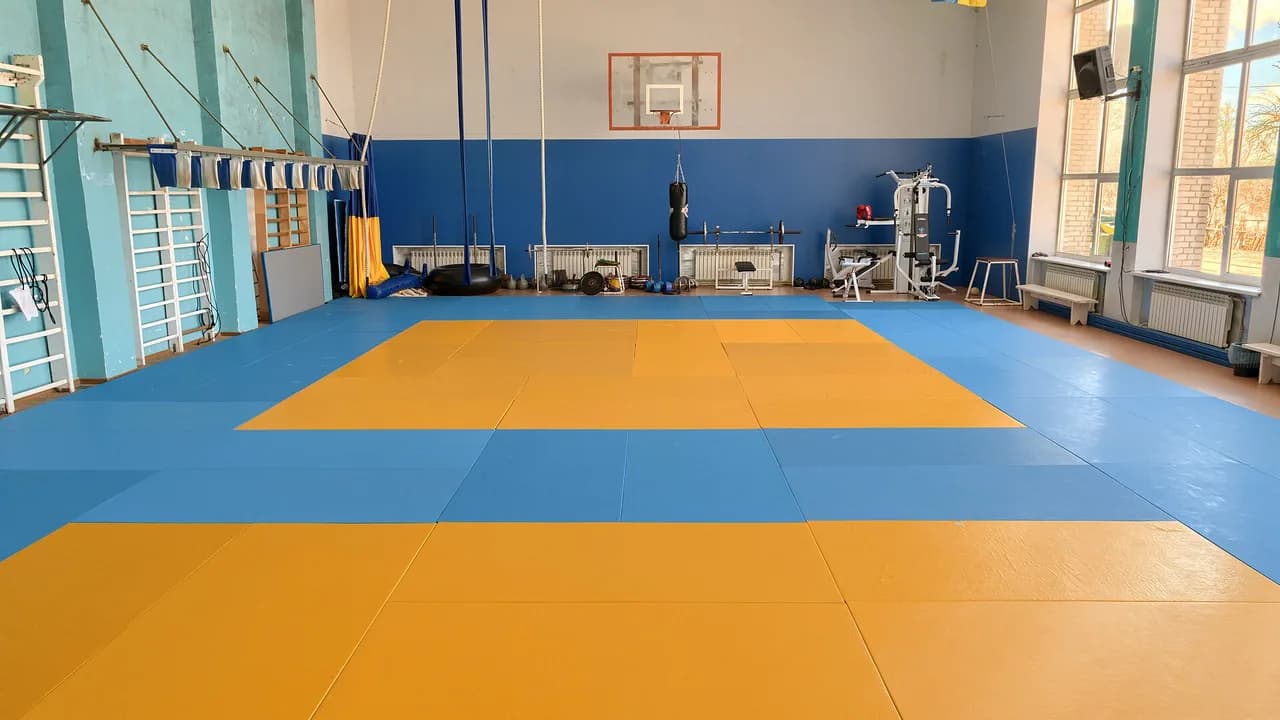
Gym Equipment EMI: Financing Treadmills and Strength Gear on a Credit Card
Published: 23 October 2026
Category: how-to-guides | cardbuzz
Tags: gym equipment, EMI financing, treadmills, strength gear, credit card EMI
Setting up or upgrading a fitness studio is one of the biggest capital decisions a gym owner makes. A commercial treadmill, a cable crossover, plate-loaded machines and dumbbell racks add up fast, and paying for all of it upfront can drain the working capital you need for rent, salaries and marketing in the first months. That is where structured financing comes in, and a credit card is one of the most accessible tools for spreading that cost over time. Used with discipline, EMI conversions and billing-cycle timing let you get the floor open on schedule without sinking the business before it earns its first membership.
This guide walks through how gym equipment EMI works when financed on a credit card: how no-cost and interest-bearing EMI options differ, how the merchant's EMI plan interacts with your card's own EMI facility, what the processing fee and GST implications look like, and the traps that quietly raise the true cost of the machine. Everything here is about mechanics, not offers, because offers change monthly while the maths stays the same.
Why gyms finance equipment instead of buying outright
Equipment is a productive asset: every treadmill on the floor is expected to pay for itself through memberships and personal-training revenue. Tying up all your cash in steel and motors means the cash is not available for the things that fill the floor — trainers' salaries, a decent fit-out, launch marketing. Financing spreads the outflow across the months when the equipment is already earning.
The honest test is cash-flow coverage, not the headline rate. Add up every monthly EMI you would owe, then compare that total against your conservative monthly revenue estimate (not the optimistic one). Lenders' general rule of thumb for small businesses is that fixed debt obligations should sit comfortably inside a fraction of expected operating income. If three machines financed at once push your monthly outflow past what you can pay even in a slow month, buy fewer machines or stagger the purchases. Equipment financed beyond the gym's ability to pay in a weak month is not leverage; it is risk.
How card EMI on equipment purchases actually works
There are two different EMI mechanisms you will meet at the dealer, and they are not the same thing.
The first is merchant EMI at the point of sale. Many equipment dealers and brands have tie-ups with banks where the swipe itself becomes an EMI plan. You choose a tenure at checkout, and the total is converted automatically. Some of these are no-cost EMI plans where the dealer absorbs the interest as an upfront discount; others carry a stated interest rate plus a processing fee. The key detail: no-cost EMI is rarely truly free — check whether the upfront price under no-cost EMI is higher than the price offered for a lump-sum payment. If the lump-sum price is lower, part of the "no cost" was priced in.
The second is your own card issuer's post-purchase EMI conversion. Here you pay the full amount first (earning rewards on the big spend), then convert the transaction into EMIs from the issuer's app or by calling customer care, usually within a window of a few days after purchase. The issuer quotes a tenure and a monthly interest figure; you see the per-month outflow before you confirm. This route works even when the dealer has no EMI tie-up, which matters because equipment dealers are often small regional businesses without bank partnerships.
A critical mechanical point: EMI conversions reduce your available credit limit by the full outstanding principal, not just one instalment. A large equipment purchase can consume most of your card limit until the plan amortises, so do not finance the entire floor on one card if you also need the card for day-to-day business spends.
The true-cost maths: processing fees, GST and interest
The interest rate is only one line item. Build the full picture before you commit.
Processing fees are charged on most EMI conversions — typically a flat amount or a small percentage of the principal, whichever the issuer's schedule of charges says. On top of the fee and the interest, GST is levied on the interest component and on fees. That means the effective cost of the plan is always higher than the quoted monthly rate suggests. Always ask for, or compute, the total outflow: (EMI per month multiplied by tenure) plus processing fee plus GST. Compare that total against the lump-sum price. The difference is what you are paying for time, and you can decide whether the gym's projected revenue in those months justifies it.
One more mechanics detail: interest on card EMI accrues on the reducing balance, which is fairer than it sounds — but if you prepay or foreclose the plan, many issuers charge a foreclosure fee on the outstanding principal. If you expect a revenue surge (say, a January joining wave) that lets you clear the plan early, factor that fee into the comparison or choose a shorter tenure from the start.
Billing-cycle timing: a legitimate way to shave weeks off financing cost
Here is a timing trick that costs nothing. A credit card gives you an interest-free period that runs from the purchase date to the payment due date — longest for purchases made right at the start of the billing cycle, shortest near the end. If you buy a treadmill on day one of your cycle, you can have close to seven weeks before the statement is even due, depending on your issuer's terms.
Why does this matter for equipment? If you are buying in stages — cardio machines this month, strength gear next month — aligning big purchases to early in the cycle gives you more free float before you either pay in full or convert to EMI. It also gives you time to see the first membership revenue land before the equipment money leaves. This is not a hack; it is the intended function of the interest-free period. It only works if you pay the statement balance in full when you are not on an EMI plan — a single revolving balance wipes out the interest-free benefit on new purchases for most issuers.
Surcharge and MCC realities at equipment dealers
Not every large payment earns rewards. Merchant category codes (MCCs) decide how your issuer treats a transaction, and reward-earning categories differ across issuers. Large equipment dealers sometimes bill under codes that an issuer excludes from rewards, and some may route card payments through payment links or aggregators that attract a card surcharge. Always ask the dealer two questions before swiping: is there any surcharge for credit card payment, and will the charge appear as the dealer's own merchant name? A surcharge of even a couple of percent on a big-ticket purchase changes the EMI-vs-cash maths materially.
Also confirm the invoice is in the gym's business name with its GSTIN. This matters twice over: for your input-tax-credit position on the purchase, and because a business invoice in the entity's name is what your accountant needs for depreciation schedules. Personal-name invoices on business assets create paperwork you will regret at tax time.
Structuring a multi-stage fit-out without breaking the card
Few gyms buy everything at once. A sensible sequencing is: floor-critical cardio and one strength zone first (enough to open and take memberships), then accessory machines and the second strength zone once membership revenue is flowing. Each stage is its own purchase decision, its own invoice, and its own EMI plan if needed.
Keep the plans separated deliberately. If stage one is on a 12-month plan and stage two on a 9-month plan starting three months later, you can track exactly which equipment is paid for and which is not. Mixing everything into one blended plan obscures which assets are unencumbered, and it complicates your books if you later sell or upgrade a machine. A clean approach is one card (or one EMI plan) per stage, with the invoice filed against that plan.
And keep a reserve line: never let equipment EMIs consume the card limit you need for monthly operating spends like supplements stock or software subscriptions. The day your card declines the electricity-linked payment because a treadmill EMI ate the limit is the day financing stops being clever.
When a credit card is the wrong tool for equipment finance
Card EMI is convenient, but it is not always the cheapest capital. For very large fit-outs, a proper business loan or equipment-financing product from a bank or NBFC often carries lower effective interest than card EMI, precisely because it is secured against the equipment itself. Cards shine for mid-sized purchases, staged buying, and situations where speed matters — the dealer gets paid today, you sort the plan this week.
The hard stop is affordability, not the rate. If the monthly outflow of the EMI plan plus rent plus salaries exceeds what the gym can generate in a realistic slow month, no financing structure fixes that — buy less equipment, lease a smaller space, or delay the opening. Interest on a credit card, unlike a term loan, compounds aggressively if you miss payments, and a missed EMI also hits your credit score, which is the asset you will need when you seek a real business loan later. Financing discipline on the first treadmill is what earns you cheaper capital for the tenth.

Comments
No comments yet
Be the first to share your experience with this card.