Quick Verdict
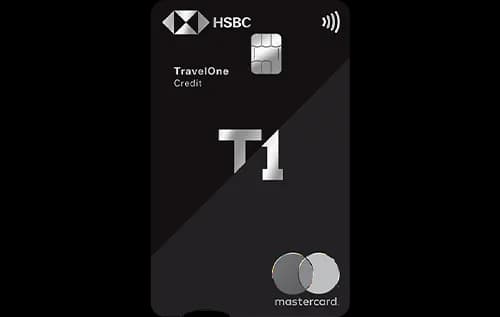
- The HSBC Travelone Credit Cardⓘ wins for travel and forex spend with higher category returns and a low forex markup.
- The ICICI Bank Sapphiro Credit Cardⓘ offers a lower annual fee and easier fee waiver, making it cheaper to hold for moderate spenders.
- For everyday spend, both cards offer a base reward rate of 1%, but HSBC Travelone edges ahead with 3% returns on travel and dining.
- Choose HSBC Traveloneⓘ if you prioritize travel benefits, lounges, and forex transactions. Pick ICICI Sapphiroⓘ if you want a more affordable premium card with good rewards on online, dining, and travel spend.
Side by Side
| Detail | HSBC Travelone Credit Card ⓘ | ICICI Bank Sapphiro Credit Card ⓘ |
|---|---|---|
| Annual fee | Rs 4,999 | Rs 3,500 |
| Joining fee | Rs 4,999 | Rs 6,500 |
| Fee waiver on spend | Rs 8.00 lakh | Rs 6.00 lakh |
| Reward rate | 1% base; 3% travel, dining | 1% base; 2% online, dining, travel |
| Reward type | points | points |
| Domestic lounge | 8 per year | 8 per year |
| International lounge | 6 per year | 4 per year |
| Forex markup | 0.99% | 3.5% |
| Best suited for | travel, rewards, lounge, forex, shopping | travel, lounge, rewards, shopping |
Rewards Compared
Both the HSBC Travelone Credit Cardⓘ and the ICICI Bank Sapphiro Credit Cardⓘ offer a base reward rate of 1%, translating to Rs 100 back on Rs 10,000 spent. However, category rewards reveal their distinct strengths: HSBC Traveloneⓘ provides 3% returns on travel and dining categories, which means Rs 300 for Rs 10,000 spent in these segments. ICICI Sapphiroⓘ offers 2% returns on online, dining, and travel, resulting in Rs 200 for the same spend. This makes HSBC’s card more rewarding for frequent travellers and diners.
For everyday purchases outside these categories, both cards yield the same Rs 100 per Rs 10,000 spent. If your spending is concentrated in travel and dining, HSBC Traveloneⓘ delivers better value. On the other hand, ICICI Sapphiroⓘ covers online shopping as well, which HSBC does not explicitly reward at the elevated rate.
Fees Compared
The HSBC Travelone Credit Cardⓘ charges an annual fee of Rs 4,999 and a matching joining fee of Rs 4,999. The fee is waived only if you spend Rs 8.00 lakh annually, which breaks down to approximately Rs 66,667 per month. By comparison, ICICI Bank’s Sapphiroⓘ card has a lower annual fee of Rs 3,500 but a higher joining fee of Rs 6,500. Its fee waiver threshold is Rs 6.00 lakh annually or Rs 50,000 per month, easier to reach for many users.
When considering fee recovery through rewards, you would need to spend about Rs 4,99,900 annually on HSBC Traveloneⓘ at the base rate to offset the fee, versus Rs 3,50,000 on ICICI Sapphiroⓘ. This indicates that the ICICI card is more accessible for moderate spenders to justify holding it.
Which One Should You Pick
Choose the HSBC Travelone Credit Cardⓘ if you are a frequent traveller who values premium lounge access, a low forex markup of 0.99%, and higher rewards on travel and dining spend. Its perks like purchase protection, discounts on holiday bookings, and instant air-mile conversions make it a compelling option for globetrotters and those who spend heavily in these segments. However, the high fee waiver threshold means it suits high spenders who can maximise these benefits.
Opt for the ICICI Bank Sapphiro Credit Cardⓘ if you want a premium card with a lower annual fee and easier fee waiver. It is a better fit for those who spend moderately across online, dining, and travel categories but may not hit HSBC’s Rs 8 lakh threshold. While its forex markup is higher at 3.5%, it still offers good lounge access and a variety of welcome vouchers. This card is advisable if you want premium benefits without committing to very high spend levels.
In conclusion, pick HSBC Traveloneⓘ if travel and forex savings are your priority and you can meet the high spend requirement. Otherwise, ICICI Sapphiroⓘ is a more affordable premium choice with solid rewards and benefits, especially suitable for balanced spenders. Those who rarely travel or spend on dining should skip both, as their rewards focus heavily on these categories.
What to Check Before You Apply
- Confirm the annual spend required for fee waiver and whether your monthly spend can realistically meet it.
- Check if there are caps on category rewards or lounge visits beyond the stated limits.
- Understand the redemption process and value of points, especially if you plan to convert to air miles or vouchers.
- Be aware that the forex markup on ICICI Sapphiroⓘ is significantly higher, which can increase cost for overseas spending.
- Verify the number and locations of lounges available domestically and internationally to ensure they match your travel routes.


Comments
No comments yet
Be the first to share your experience with this card.