Kids' Extracurricular Classes: Dance, Sport and Music Fee Cycles
Published: 18 October 2026 Category: buying-guides | cardbuzz
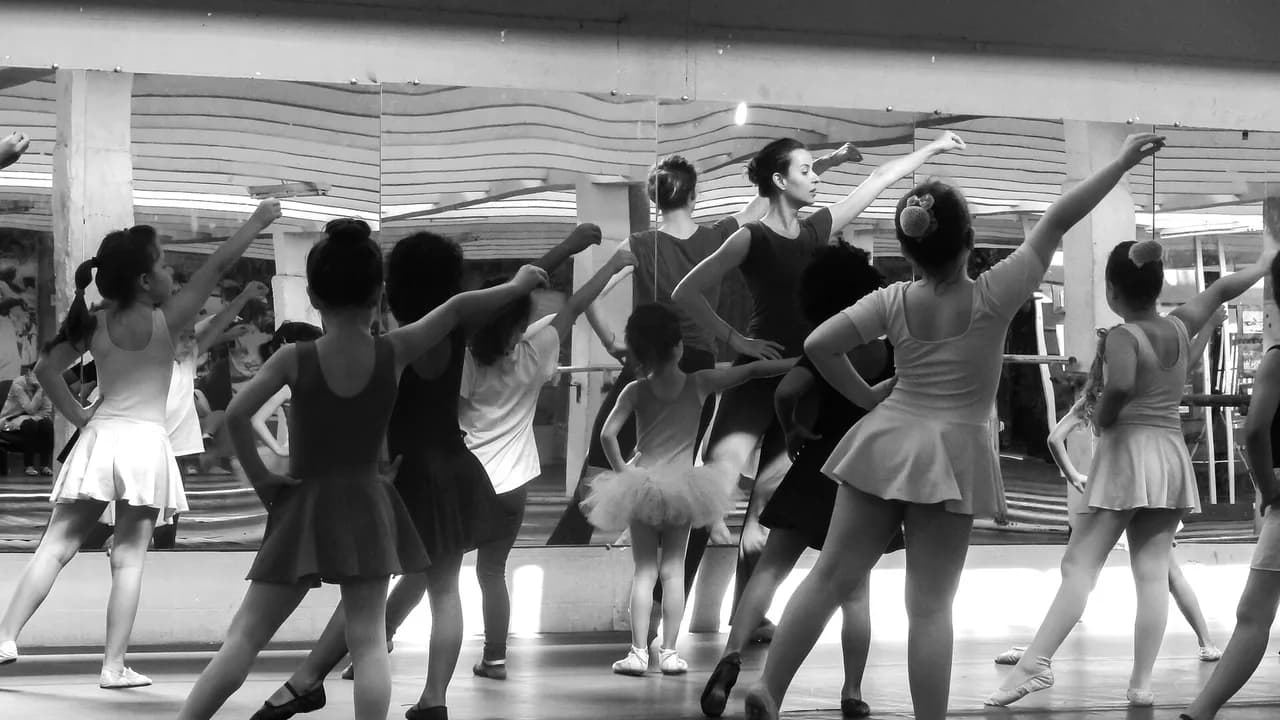
Dance academies, cricket coaching, swimming clubs, music schools — extracurricular fees are the subscription economy of parenting. Individually they look small (₹1,500–₹6,000 a month per activity); collectively, two activities per child easily reach ₹5,000–₹12,000 a month, or ₹60,000–₹1,44,000 a year. Because these fees recur monthly or quarterly, they are ideal autopay candidates — and a steady, predictable stream of reward-earning spend if you route them deliberately.
The Fee Landscape
| Activity | Typical monthly fee (metro) | Common billing cycle |
|---|---|---|
| Dance / music academy | ₹2,000 – ₹5,000 | Monthly or quarterly |
| Cricket / football / tennis coaching | ₹2,500 – ₹6,000 | Monthly or quarterly |
| Swimming | ₹2,500 – ₹5,000 | Monthly |
| Martial arts | ₹1,500 – ₹4,000 | Monthly or quarterly |
| Art / robotics / coding classes | ₹2,000 – ₹6,000 | Monthly or quarterly |
| Annual memberships (clubs) | ₹15,000 – ₹50,000/year | Annual |
Two structural points: quarterly billing is common and usually 5–10% cheaper than monthly (academies prefer the cash flow), and annual memberships at sports clubs often allow card payment with no convenience fee — the rare large extracurricular lump sum.
Quarterly vs Monthly: Do the Maths
A dance academy charging ₹3,000/month versus ₹8,000/quarter: the quarterly option saves ₹1,000 per quarter, or ₹4,000 a year — a 11% discount for paying three months upfront. Unless that ₹8,000 strains cash flow, quarterly wins every time. The same logic applies to sports coaching: ₹4,500/month vs ₹12,000/quarter saves ₹6,000 a year.
The card angle: a quarterly ₹8,000–₹12,000 payment is large enough to matter for rewards but small enough to pay in full comfortably. Put quarterly fees on the card, monthly small fees on autopay via the same card, and the extracurricular stream becomes ₹60,000–₹1,44,000 of annual reward-earning volume with zero effort.
Setting Up Autopay Properly
- Use the credit card, not the bank account, for autopay. Card autopay earns rewards on every cycle; bank-account autopay (eNACH) earns nothing. On ₹8,000/month of activities at 1.5% earn, that is ₹1,440 a year for changing one mandate.
- Set calendar reminders 3 days before each debit. Autopay failures (expired card, insufficient limit) trigger late fees at academies (typically ₹200–₹500) and awkward conversations. A reminder lets you fix card issues before the debit date.
- Review quarterly, not annually. Children's interests change fast — the robotics class they loved in June is abandoned by October. A quarterly autopay review ("still going? still worth it?") saves more money than any rewards optimisation. Cancel the mandate the week they quit, not three months later.
- One card for all activities. When dance, cricket and music all debit one card, the monthly statement is your extracurricular budget report. Spread across three cards and UPI, the true monthly cost becomes invisible.
Reward Routing for the Stream
Because these are recurring retail/services charges, they earn at your card's standard rate — no special MCC games in most cases. The optimisation is therefore about which card, not which channel:
- Flat high-earn card for the whole stream if your card earns uniformly.
- Milestone card if the extracurricular stream helps cross a quarterly or annual threshold — ₹30,000–₹40,000 a quarter of autopay volume is meaningful milestone fuel.
- Avoid routing through wallets or payment aggregators that might code differently and earn less — pay the academy directly by card wherever they accept it.
The Hidden Costs
- Admission and annual charges. Academies levy admission fees (₹2,000–₹10,000), annual charges, costume fees for dance recitals (₹3,000–₹8,000 per event), and tournament fees for sports (₹1,000–₹5,000 per event). Budget 20–30% above the monthly fee × 12 for the true annual cost of each activity.
- Equipment. Cricket kits (₹8,000–₹20,000), musical instruments (₹5,000–₹30,000 to buy, ₹1,000–₹2,500/month to rent), dance shoes and costumes. Buy beginner equipment second-hand or rent for the first 6 months — most children switch instruments or sports within a year.
- Sibling and multi-activity discounts. Many academies offer 10–15% off for siblings or for enrolling in two activities. Always ask; it is rarely advertised.
Treat extracurriculars as a managed subscription portfolio: quarterly billing where discounted, one card for all autopay, a quarterly review of what continues, and beginner equipment rented not bought. The rewards are a pleasant side effect; the real saving is in the fees you stop paying for abandoned hobbies.
Putting the Whole Stream on One Dashboard
Once two or more activities run concurrently, build a simple one-page tracker — activity, fee, billing cycle, next due date, autopay card, and cancellation notice period. Most academies require 15–30 days' notice to stop billing; knowing the notice period per activity is what turns "we quit in October" into "we stopped paying in October" instead of December. Update the sheet at each quarterly review. Families that track the stream typically find 10–15% of it is zombie spend — classes the child mentally quit months ago. Killing one ₹3,500/month zombie activity saves ₹42,000 a year, which dwarfs every rewards optimisation on this page.



Comments
No comments yet
Be the first to share your experience with this card.