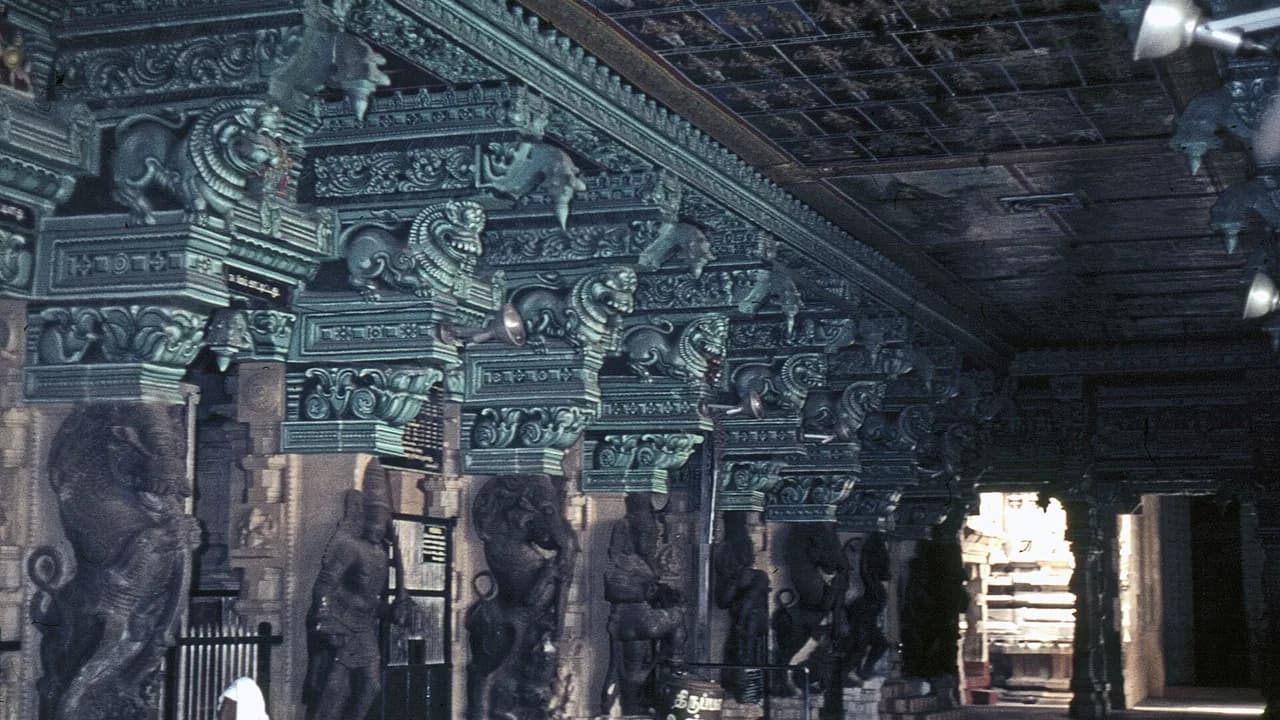
Meenakshi Temple and Madurai: South India Temple Circuits on Cards
Published: 20 October 2026
Category: buying-guides | cardbuzz
Tags: meenakshi temple, madurai, tamil nadu travel, temple circuit, pilgrimage travel, travel credit cards, hotel booking cards, reward points
Madurai's Meenakshi Amman Temple is the beating heart of Tamil temple culture — a vast complex of towering gopurams, thousand-pillared halls and continuous ritual life. And Madurai is rarely visited alone: it anchors South Indian temple circuits that run through Thanjavur's Brihadeeswara Temple, the Navagraha temples around Kumbakonam, Rameswaram on the coast, and Kanyakumari at the tip. These circuits span five to eight days, multiple towns and a mix of rail, road and hotel bookings — a rich landscape for disciplined card usage, and a trip where poor planning gets expensive fast.
Designing the Circuit Before Booking Anything
South Indian temple circuits come in standard shapes. The classic: Chennai–Kanchipuram–Mahabalipuram, or the deeper Tamil circuit: Madurai–Rameswaram–Thanjavur–Kumbakonam–Chidambaram. Pilgrims from the north typically fly into Chennai or Madurai; those from within the south often drive or use the excellent rail network.
Map the circuit town by town before spending: transport between towns (train sectors or a hired car for the whole circuit), hotels in each halt, temple entry and special darshan tickets, meals, and shopping — Kanchipuram silk, Thanjavur paintings, brass lamps. A hired car for the full circuit is common and changes the payment picture: it is one large negotiated transaction, usually with an advance, rather than many small ones.
Intercity Transport: Trains Versus the Hired Car
Tamil Nadu's rail network connects the temple towns well, and short intercity sectors in reserved classes are inexpensive. IRCTC bookings for the family across five or six sectors add up to a respectable total — route them all through your best railway-earning card as a matter of habit.
The hired-car alternative deserves careful thought. A car with driver for a week-long circuit is a significant expense, typically split into an advance and a balance. Negotiate the payment terms upfront: what portion is payable by card or bank transfer versus cash, and is there a surcharge for card payment? Reputable tour operators accept bank transfers for advances; street-level operators want cash. A card or transfer payment for the advance gives you a receipt and a dispute route — meaningful protection when you are handing over a large sum to an operator you found online. Verify the operator's reviews and credentials before paying anything.
Fuel for self-drivers follows the standard logic: know your card's fuel surcharge terms, recharge FASTag online through an earning card, and keep fuel receipts until the trip's accounts are settled.
Hotels Across the Circuit: The Multi-City Booking Play
A temple circuit means four to six different hotels, each for one or two nights. This fragmentation is actually a card opportunity: every booking is a separate transaction earning travel-category rewards, and the cumulative total across the circuit is large.
Two strategies compete here. Booking each hotel independently on aggregators lets you pick the best property in each town and keeps every transaction card-clean. Booking through a single tour operator bundles everything but often moves payment into cash or transfer territory with less transparency. For the card-conscious traveller, independent booking usually wins — with one exception: if the operator's bundled price is genuinely lower after accounting for the rewards you would earn independently, take the saving.
Hotel loyalty status pays dividends on circuits: early check-in after morning arrivals, late checkout before evening trains, and the occasional upgrade compound across five towns into a noticeably more comfortable trip. If your card confers status with a chain that has properties in Madurai, Thanjavur or Chennai, build the circuit's overnights around those properties where it makes sense.
Temple Tickets, Special Darshans and the Cash Line
Major Tamil temples sell special-entry darshan tickets and conduct archanas and abhishekams that can be booked at counters or, increasingly, online. The amounts are modest. Pay by card where the temple's official system accepts it; pay cash at counters without a second thought.
Draw a clear line: temple offerings, hundi contributions and archana fees are devotional spending. They do not belong in a rewards optimisation scheme, and the amounts are too small for it to matter anyway. Keep the card strategy focused on transport, hotels and shopping — the categories where the money actually moves.
Shopping: Silk, Bronze and Paintings
The Tamil temple circuit runs through some of India's great craft centres: Kanchipuram silk sarees, Thanjavur paintings, bronze icons from Swamimalai, brass lamps. These are significant purchases — a Kanchipuram silk saree or a Thanjavur painting can cost more than the trip's hotel bill — and they belong on a credit card at reputable sellers.
The rules for craft purchases: buy from established stores or cooperatives, pay by card, keep the invoice with the item's description, and photograph what you bought. Silk and art purchases are where authenticity disputes arise; a card receipt plus a detailed invoice is your protection. Be wary of "factory outlets" that tour buses stop at — prices are inflated and quality is mixed. The government emporia and long-standing family stores in Kanchipuram and Thanjavur are safer ground.
Food: Banana-Leaf Meals and Filter Coffee
Tamil Nadu's meals — the banana-leaf sappadu, the tiffin rooms, the filter coffee — are overwhelmingly cash and UPI at the local level. Budget for this in cash and enjoy it fully. Hotel restaurants take cards; street tiffin rooms do not. The split is natural and not worth fighting.
Festival Timing: Meenakshi Thirukalyanam and Crowd Pricing
Madurai's Meenakshi Thirukalyanam festival and the Chithirai festival transform the city: enormous crowds, fully booked hotels, and premium pricing. If your circuit coincides with a major festival, book trains on the reservation window's opening day and hotels on refundable rates as early as possible. The card play does not change — but the cost of failing to book early dwarfs any reward optimisation. Conversely, travelling just outside festival periods often means lower prices and thinner crowds with the temples just as magnificent.
Protecting a Multi-Town Itinerary
A circuit multiplies the points of failure: more bookings, more operators, more towns. Keep a single trip document — digital or paper — with every confirmation number, hotel address and operator phone number. Photograph your cards and store issuer helplines in your phone. Carry two cards on different networks, and split cash between travellers. If a hotel in one town fails to honour a booking, the card dispute route and your documentation resolve it; without documentation, you are negotiating from weakness in an unfamiliar town.
Rameswaram Extension: The Island Temple and the Sea
The natural extension of a Tamil temple circuit is Rameswaram — the island temple town with the Ramanathaswamy Temple's legendary corridors, one of the Char Dham and one of the twelve Jyotirlingas. It pairs with Madurai beautifully: the two temples are spiritually linked in tradition, and the road journey from Madurai crosses the Pamban Bridge, an experience in itself.
Rameswaram changes the trip's logistics in specific ways. The town's hotel market is smaller than Madurai's and heavily pilgrim-oriented — book early, confirm card acceptance in advance, and expect simpler properties where cash may be preferred. The temple's special darshan tickets and the famous theertham (holy water) rituals are counter-based and cash-first. Dhanushkodi, the ghost town at the island's tip, is a half-day excursion by shared jeep — cash, negotiated upfront.
For the card strategy, Rameswaram is a reminder that the circuit's big wins remain the intercity transport and the multi-night hotel totals. The island's own economy runs on cash; arrive with an adequate float rather than hoping for ATMs. And the Pamban road journey means fuel or cab costs — route the cab booking through the earning card where aggregators serve the route, or negotiate the private cab's advance by transfer for the receipt.
Pilgrims combining Rameswaram with Kanyakumari extend the circuit further south — the same principles apply, with Kanyakumari's hotels following standard card-booking logic and the Vivekananda Rock Memorial ferry tickets bought at counters. The sunrise at Kanyakumari, where three seas meet, is a fitting close to a Tamil pilgrimage circuit — arrive the evening before, stay near the shore, and let the trip end as unhurriedly as the temples deserve.
The Circuit Checklist
- Map the full town-by-town itinerary before booking anything.
- Route all IRCTC sectors through the best railway-earning card; book on the reservation window's opening day for festival periods.
- Negotiate hired-car payment terms upfront; pay advances by card or transfer for the receipt and dispute route.
- Book each town's hotel independently on cards where the effective cost wins; use loyalty status for check-in flexibility.
- Keep temple offerings and hundi contributions separate from card strategy — cash, devotional, done.
- Buy silk, bronze and paintings from reputable sellers by card, with detailed invoices.
- Carry cash for meals and street food; photograph cards and keep issuer helplines handy.
- Review every hotel folio before checkout across the circuit.
The Tamil temple circuit is among the richest journeys in India — architecturally, spiritually and culinarily. Plan the money with the same care you plan the temples, and the cards will quietly underwrite a meaningful share of the journey.

Comments
No comments yet
Be the first to share your experience with this card.