Men's Grooming Spends: Barbershop Chains, D2C Brands and the Best Payment Route
Published: 17 October 2026 Category: buying-guides | cardbuzz
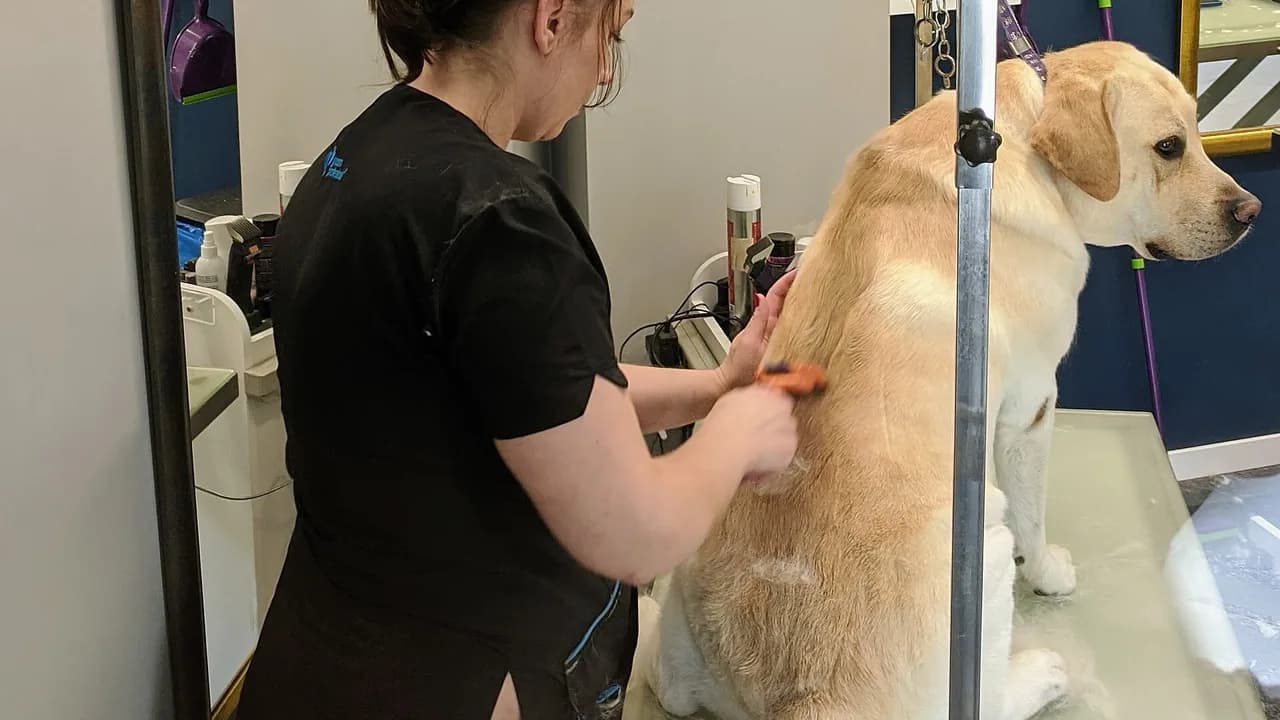
Men's grooming in India now spans three distinct payment surfaces: premium barbershop chains (Truefitt & Hill, Hackett-style gentlemen's salons, and domestic chains), D2C brands (Beardo, Bombay Shaving Company, The Man Company, Ustraa), and the neighbourhood barber. Each codes differently on your card statement, each has different offer mechanics, and the "best" payment method is different for each. This guide routes each spend correctly.
Barbershop chains: the POS transaction
Premium barbershops and gentlemen's salons process cards on their own terminals, typically under MCC 7230 (Barber and Beauty Shops) — the same code as women's salons. That means:
- Base rewards apply normally on most cards, subject to the usual exclusion-list check (search your card's T&C for 7230/beauty/personal care).
- Memberships and prepaid packages work exactly like salon packages — same risks, same protections. Pay the advance on a credit card for chargeback coverage, get expiry and transfer terms in writing. Our salon prepaid-package guide covers the full checklist.
- No-surcharge norm. Organised chains rarely surcharge cards; the MDR is built into their pricing. If a franchise outlet adds a surcharge, that is the outlet's practice, not the chain's — and it is negotiable.
A ₹1,500–₹3,000 monthly haircut-and-beard routine is ₹18,000–₹36,000 a year — enough to matter for a lifestyle-category accelerator if your card has one. Total your last year of barbershop statements before dismissing it as small change.
D2C grooming brands: the e-commerce transaction
Beardo, Bombay Shaving Company, The Man Company, Ustraa, and similar D2C brands sell through their own websites and through marketplaces (Amazon, Flipkart, Nykaa Men). The payment mechanics differ by channel:
- Brand's own website. Typically coded as online retail. Base rewards apply; bank offers (instant discounts on specific cards) appear and disappear — check the brand's offer page at checkout rather than relying on memory, and never assume an offer you saw last month is still live.
- Marketplace listings. The transaction codes as the marketplace, not the brand. Amazon/Flipkart bank offers apply when live; the brand's own site offers do not.
- Subscriptions. Several D2C brands push subscription plans (quarterly razor/blade refills, monthly grooming kits). Subscriptions are recurring card mandates — convenient, but audit them twice a year. A ₹499/quarter blade subscription you forgot about costs ₹2,000 a year. Cards with good mandate-management dashboards (most major issuers now show e-mandates in the app) make this audit easy.
- UPI vs card at D2C checkout. D2C sites increasingly default to UPI. If no bank offer favours the card, UPI is fine — but you forgo base rewards (typically 1–2%) and purchase protection. On orders above ₹2,000, the card's rewards plus dispute rights usually beat UPI's zero.
The neighbourhood barber: mostly a cash/UPI economy
The ₹150–₹400 neighbourhood haircut is overwhelmingly cash or UPI. There is no card transaction, so there are no rewards to optimise — and attempts to force one (paying via a credit-card-funded wallet or P2P app) typically code as wallet loads or transfers that issuers exclude from rewards. Do not manufacture spend here; the reward on a ₹200 haircut is ₹2–₹4, and the manufactured-spend risk to your card relationship is not worth it.
The one exception: neighbourhood salons that have adopted QR-code POS systems from Pine Labs, MSwipe, or similar providers. Those are card transactions (usually 7230) and earn normally. If your barber has a proper card machine, use it.
Razorpay and gateway checkouts: reading the descriptor
Many D2C grooming checkouts run on Razorpay, Cashfree, or PayU. Occasionally the statement descriptor shows the gateway rather than the brand, and rarely the MCC reflects the gateway's default classification rather than retail. In practice this seldom affects base rewards, but it can affect:
- Bank offers tied to "online shopping" MCCs — gateway-coded transactions sometimes miss these.
- Milestone counting on cards with category-specific milestones.
If a D2C purchase did not earn as expected, check the statement descriptor first — that tells you how the issuer saw it.
Gifting and bundles: the festive angle
Men's grooming gift sets (Diwali, corporate gifting) are a seasonal spike. Two mechanics matter:
- Buying gift sets on the brand's site with a card earns base rewards plus any live bank offer — straightforward.
- Corporate/bulk orders above ₹25,000 deserve the invoice-and-card treatment: GST invoice for the records, card payment for the rewards and the dispute trail. Bulk grooming orders have real non-delivery risk around festive deadlines.
Building the routine: a sample monthly stack
For a typical urban monthly grooming spend — one ₹1,200 barbershop visit, ₹800 in D2C consumables, occasional ₹2,500 quarterly treatments:
- Barbershop on the highest base-rewards card (or a lifestyle accelerator if 7230 qualifies) — recurring, predictable.
- D2C on whichever card has a live bank offer at that brand; otherwise the same base-rewards card. Never default to UPI on orders above ₹2,000 without checking offers first.
- Subscriptions on a dedicated card with good e-mandate visibility, audited every six months.
- Neighbourhood barber on UPI — no optimisation available, no optimisation needed.
Total the annual figure once. Most men are surprised: the "small" grooming spend is often ₹30,000–₹50,000 a year, which at a 2% effective reward rate is ₹600–₹1,000 back — plus whatever a lifestyle accelerator adds. Not life-changing, but it is money you are currently leaving on the table if you pay haphazardly.
Salon-at-home and quick-service formats
Salon-at-home platforms now serve men's grooming (haircut + beard at home, head massage) and bill through the platform's merchant account — not MCC 7230. In practice this means:
- Base rewards apply as a standard online-services transaction on most cards.
- Platform-specific bank offers (instant discount on a given card) are the main optimisation lever — check the app's offer banner at checkout.
- Tipping the professional is cash/UPI and earns nothing — budget it separately from the rewards math.
The convenience premium of at-home service (typically 20–40% over a neighbourhood barber) is a comfort purchase; the card choice just ensures you do not leave the available rewards behind too.
Trimmers, razors, and grooming gadgets: the appliance crossover
Electric trimmers, shavers, and grooming kits sit at the boundary of grooming and electronics. Bought on Amazon, Flipkart, or Croma, they code as electronics/appliance retail — which matters because:
- Electronics-category bank offers (the familiar "10% instant discount on XYZ card") apply to trimmers exactly as they do to headphones. Time big gadget purchases to these offers rather than buying at MRP.
- No-cost EMI on ₹5,000–₹15,000 grooming appliances is widely offered; the usual fine print applies (processing fee, GST on interest). For these ticket sizes the interest math from our EMI guides still holds — a 6-month EMI at card rates on ₹8,000 costs a few hundred rupees in interest, which a 10% instant discount dwarfs. Take the discount over the EMI when forced to choose.
- Extended warranty and damage protection on some premium cards cover electronics purchases — a trimmer bought on such a card carries protection a UPI purchase does not.
The bottom line
Men's grooming splits into three payment surfaces — chain POS (7230, card-friendly), D2C e-commerce (offer-driven, card usually beats UPI above ₹2,000), and the neighbourhood barber (UPI/cash, no optimisation). Route each deliberately, audit subscriptions twice a year, and total the annual spend once — it is bigger than it feels, which is exactly why the routing matters.

Comments
No comments yet
Be the first to share your experience with this card.