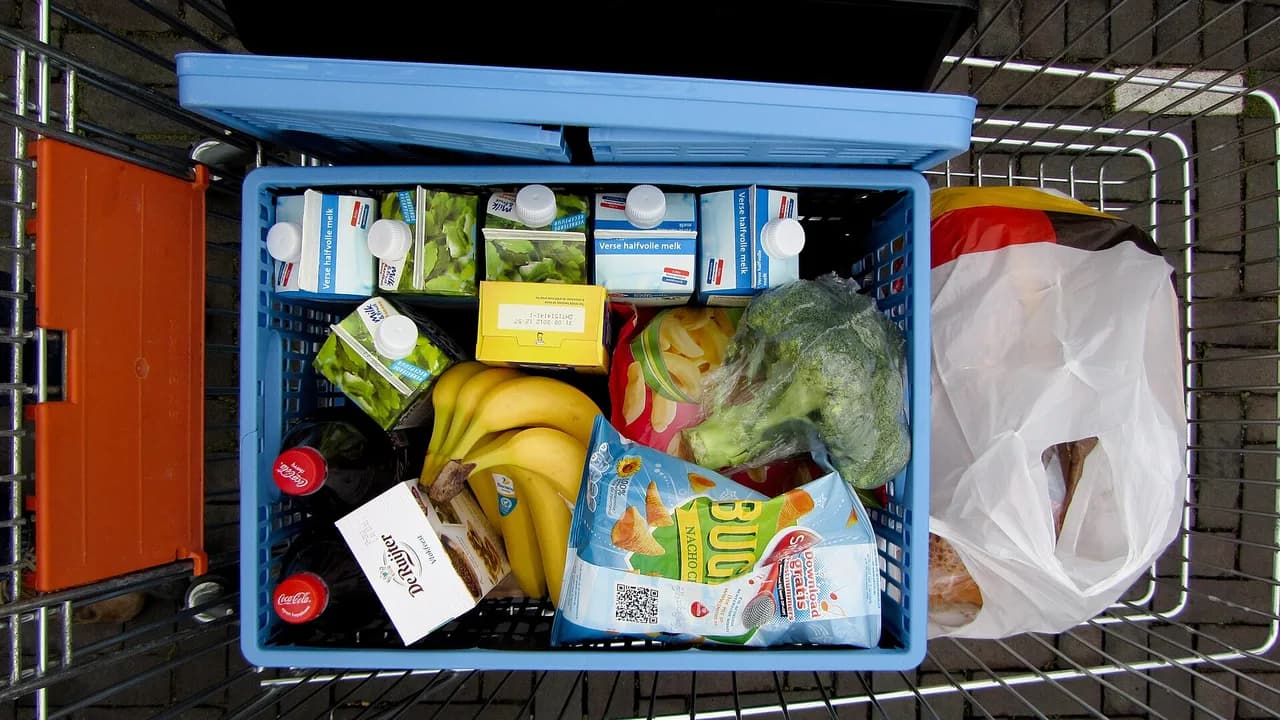
Month-end Grocery Stock-ups: Timing Big Baskets Around Billing Cycles
Published: 19 October 2026 Category: how-to-guides | cardbuzz
Credit cards give you an interest-free period — typically up to 45–50 days — between the purchase and the payment due date. The length of that free float depends on when in your billing cycle you buy. A big month-end grocery stock-up, timed right, can sit on the card for six weeks at zero cost. Timed wrong, it is due in two.
How the float works
A billing cycle runs from statement date to statement date (say the 5th of each month), with payment due roughly 20 days after the statement. A purchase made on the 6th — just after the statement — gets the full cycle plus the grace period: around 45–50 days interest-free. A purchase made on the 4th, just before the statement, gets barely 20 days.
For a ₹15,000 stock-up basket, the difference is five extra weeks of the money sitting in your account. At a 7% savings-account rate, that float is worth roughly ₹130 — small, but it is free, and it compounds across every big basket in the year.
The timing playbook
- Know your statement date. It is on every statement and in the issuer app. Write it down once.
- Schedule the big basket just after the statement date. The monthly stock-up run, the wholesale trip, the quarterly staples order — these are plannable, so plan them for day 1–5 of the cycle.
- Keep small top-ups untimed. Daily milk and bread do not matter; only the ₹10,000+ baskets are worth scheduling.
- Never stretch into interest. The float is only free if the full statement balance is paid by the due date. One month of revolving interest (typically 3–4% per month) wipes out years of float gains.
Pairing with offers and caps
Timing amplifies the other layers: a post-statement stock-up also lands at the start of the month, when monthly grocery caps reset and when bank-offer quotas are freshest. One well-timed basket can simultaneously maximise the interest-free period, fill the monthly cap from zero, and clear an offer's minimum purchase.
What not to do
Do not delay a needed purchase by weeks just to hit the cycle start — the float on ₹15,000 is ~₹130, not worth running out of essentials. And do not confuse the float with affordability: the bill is still due in full. Timing optimises when you pay, never whether you can pay.
Interest-free periods apply only when the previous statement was paid in full. Check your card's terms for the exact grace period; figures are illustrative.

Comments
No comments yet
Be the first to share your experience with this card.