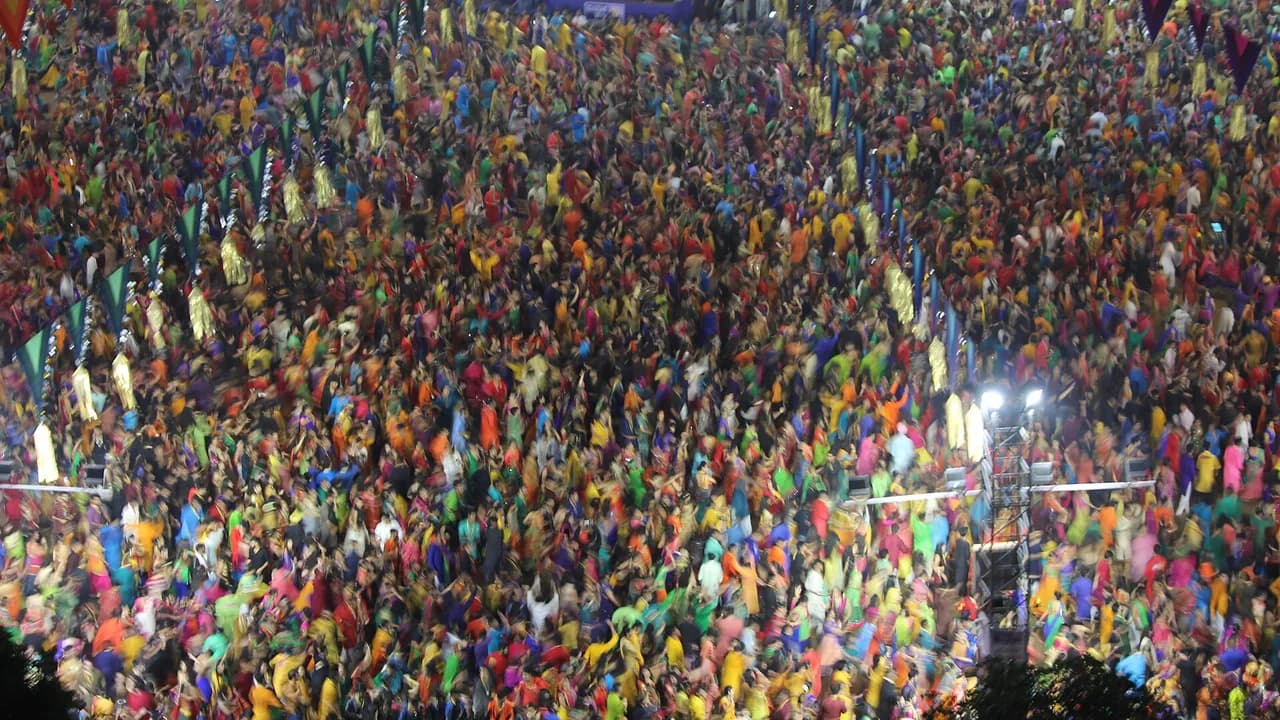
Navratri Dandiya Nights: Tickets, Chaniya Choli and Travel on Credit Cards
Published: 18 October 2026 Category: deals-offers | cardbuzz
Sharad Navratri's nine nights (11–20 October in 2026) turn Ahmedabad, Mumbai, Vadodara, Surat and Indore into the country's biggest ticketed-entertainment market: dandiya and garba nights with entry fees ranging from a few hundred rupees at community venues to several thousand at premium commercial events. Add chaniya choli shopping, dandiya sticks, travel to dandiya hubs, and nine nights of dining out, and Navratri becomes a concentrated entertainment-and-apparel spending event where card choice matters nightly.
Dandiya tickets: presales, convenience fees and refund terms
Most large garba events sell through online ticketing platforms with tiered pricing — early-bird, regular and last-minute or door pricing. The card-relevant mechanics:
- Buy early-bird, not door tickets: The price gap between early-bird and door pricing at premium venues can be 30–50% (illustrative — check the specific event's pricing tiers). The saving from buying early dwarfs any card reward on the ticket.
- Convenience fees: Ticketing platforms add per-ticket convenience fees plus GST. These fees are part of the transaction and earn rewards at the card's standard rate, but they are non-refundable if the event is cancelled by the organiser — refunds typically cover only the face value, per the platform's policy. Read the refund terms before buying for all nine nights at once.
- Card presales and offers: Banks and wallets periodically run entertainment presales or cashback on ticketing platforms during the festive season. These are genuine but narrow — they apply to specific platforms and specific cards, and they stack with early-bird pricing. Check the ticketing platform's offers page before checkout rather than assuming the card's generic entertainment benefit applies.
- Season passes: Regulars who attend most nights should compare the season pass against nightly tickets. A season pass bought in one transaction also concentrates the spend for reward purposes — one ₹5,000 transaction (illustrative) on the entertainment-optimised card beats five ₹1,000 transactions scattered across cards.
Chaniya choli, kediyu and the festive wardrobe
Navratri is Gujarat's biggest traditional-wear buying season. Chaniya cholis range from affordable ready-made sets to designer pieces costing tens of thousands, and many attendees buy multiple outfits across the nine nights. Jewellery (oxidised silver, kundan sets), mojris, dandiya sticks and dupattas complete the look. Card strategy:
- Boutique and designer purchases: High-value single transactions are ideal for the card with the best flat earn rate or for hitting a milestone threshold. Ask about the boutique's card surcharge before paying — some smaller boutiques pass on merchant fees.
- Marketplace fashion: For ready-made festive wear, marketplace sales around Navratri bring platform coupons and card instant discounts. Stack coupon, then instant discount, then rewards.
- Renting vs buying: Designer chaniya choli rentals have grown popular for one-night wear. Rental transactions are ordinary card spends; compare the rental cost against the purchase price honestly — a ₹3,000 rental (illustrative) worn once versus a ₹9,000 purchase (illustrative) worn three times favours purchase, but only if it will genuinely be reworn.
Travelling to the dandiya hubs
Ahmedabad and Vadodara draw garba tourists from across India during Navratri; Mumbai's suburban garba circuit draws from across the metro region. Travel mechanics:
- Flights and trains: Book early — Navratri week sees the same holiday-peak dynamics as other festivals. IRCTC convenience fees (₹15+GST non-AC, ₹30+GST AC per ticket; lower via UPI) apply on train bookings. Airline co-brand cards earn best on direct bookings.
- Hotels: Navratri-week hotel rates in Ahmedabad and Vadodara run above normal. Prepaid rates are cheaper but lock the plan in; pay-at-property rates cost more but keep cancellation flexibility. Hotels place pre-authorisation holds on the card at check-in — keep headroom on the card used, and note that holds can take 7–15 days to release after checkout.
- Local transport: Nine nights of late-evening travel means cabs or self-drive fuel. Cab bookings on the card earn standard online-transaction rates; fuel goes on the surcharge-waiver card.
Nine nights of dining out
Garba nights end with food — the post-garba dinner is a ritual in itself, from street food outside venues to late-night restaurants. Nine nights of dining is one of the largest dining spends of the year for regular attendees. Dining-focused cards that pay accelerated rewards at restaurants earn their keep this fortnight; wallet-linked dining offers and restaurant aggregator coupons stack on top. For groups, one person paying the whole table's bill on the best dining card (with others settling up separately) concentrates rewards efficiently — just ensure the settlement actually happens before the statement due date.
Group bookings and splitting costs
Navratri is a group festival — friends book tables together, families buy season passes in bulk, societies organise their own garba nights with pooled contributions. The cardholder who fronts group bookings should use the highest-earning card for the category and collect contributions promptly. Society and housing-complex garba contributions are typically collected in cash or UPI; the organiser's card is only useful if the venue or decorator accepts cards. Keep a simple ledger — festival groups are where small unpaid shares quietly become disputes.
The nine-night budget: what the fortnight actually costs
A regular garba-goer attending most nights faces a layered bill: season pass or nightly tickets, one or two chaniya choli outfits plus accessories, nine nights of transport, nine nights of post-garba food, and the inevitable extras (matching jewellery, a better pair of mojris, the premium night's higher ticket). Worked out honestly, the fortnight can cost as much as a short domestic holiday (illustrative comparison — actuals vary enormously by city and venue tier). The budgeting move is to total it before Navratri begins rather than discovering it on the October statement. Set the budget, assign the entertainment-optimised card to tickets, the apparel card to outfits, the dining card to food, and track against the budget nightly — a simple notes-app tally prevents the "it was only ₹800 a night" surprise.
Garba classes and the practice season
Serious garba enthusiasts attend practice classes in September — monthly fees at dance studios, practice-venue charges, and sometimes costume deposits. These are ordinary card transactions, usually small. The card lesson is timing: September's garba-class fees plus October's garba nights plus Diwali shopping create a three-month spending arc. Households that plan the arc as one unit (rather than three separate surprises) can align card milestone thresholds and fee-waiver targets across it deliberately.
Late-night transport: the safety budget
Garba nights end late, and safe transport home for nine nights is a non-negotiable budget line — not a corner to cut. Pre-booked cabs, society-arranged shuttles, or designated drivers all cost money; budget it as part of the ticket cost, not as an afterthought. Cab bookings through aggregators earn standard online-transaction rewards on most cards. For groups, splitting a larger vehicle across six or eight people brings the per-person cost down sharply — coordinate the group in advance rather than scrambling for individual cabs at midnight outside the venue.
After Navratri: the October statement
Navratri spending lands in the October billing cycle alongside Diwali preparations (Diwali 2026 falls on 8 November), creating a double-peak month. Reconcile the Navratri transactions first: confirm ticketing convenience fees match, verify any cashback or presale offers posted, and check that season passes and group bookings show correctly. Then budget the Diwali spends against what is left — not against the full limit. Paying the Navratri portion before Diwali shopping begins keeps utilisation in check and preserves the grace period.


Comments
No comments yet
Be the first to share your experience with this card.