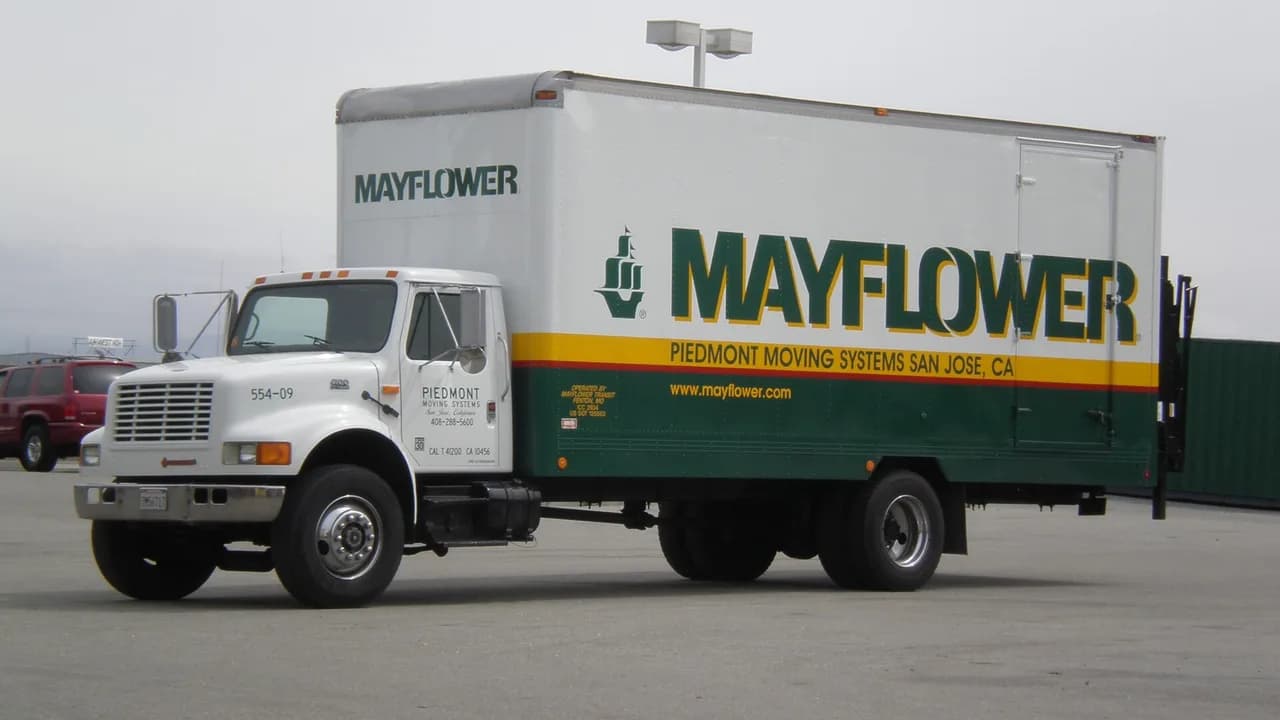
Packers and Movers: Handling Peak-Season Demand, Security Deposits and Vehicle Hire on Cards
Published: 23 October 2026
Category: how-to-guides | cardbuzz
Tags: packers and movers, peak season, vehicle hire, business deposits, moving business, seasonal cash flow
The packers-and-movers business is feast and famine by design. Month-ends, the academic calendar, corporate transfer seasons and the wedding-adjacent months bring more enquiries than the fleet can serve; the weeks in between bring silence. Operators who survive are the ones who plan for the famine during the feast — and who have a way to flex capacity up and down without buying vehicles they cannot feed in the lean weeks. This guide covers the operating economics of a moving business: demand cycles, deposits, hired vehicles, and how cards fit into a business that lurches between overload and idleness.
The demand calendar: knowing when the phone rings
Household shifting in India clusters hard. Month-ends see rental turnover spike as leases turn over. Academic session starts move students and faculty. Corporate transfer orders bunch in certain quarters. Festival-adjacent periods and the marriage season add their own waves. An operator who has run even one full year can map these peaks from the enquiry log — and should, because the map drives every other decision.
The operational consequence of a peak is a capacity problem, not a marketing problem. The binding constraint is crew and vehicles: trained packing crew who will not damage goods, and the right vehicle size for the job. A one-bedroom local shift needs a small truck; a full household intercity move needs a container truck and a crew that knows how to brace furniture for highway travel. Booking more jobs than the crew can execute well is how damage claims are born, and damage claims are the tax the business pays for overbooking.
Pricing should follow the calendar. Peak-period rates can and should carry a premium — demand exceeds supply, and discounting during a peak is leaving money on the table. Lean-period pricing can be sharper to keep the crew employed, because an idle crew still needs paying. Operators who hold one flat rate all year are subsidising their peak customers with their lean-season losses.
Advances and security deposits: structuring customer money
Movers typically collect an advance at booking — a commitment device that filters out casual enquiries and covers the immediate costs of scheduling crew and vehicle. The advance should be large enough to hurt if forfeited, documented on a proper receipt or invoice with the job terms, and clearly marked as adjustable against the final bill.
For corporate and office moves, the money structure is more formal: quotations, purchase orders, and payment terms that stretch after the job is done. Corporate clients pay reliably but slowly, which creates a working-capital gap — the crew and hired vehicle are paid this week, the client pays next month. New operators often discover this gap on their first big corporate job, when a profitable contract leaves them unable to pay the crew.
The discipline is segregation. Advances are not revenue until the job is done; they are a liability owed in service. An operator who spends advances on household expenses discovers the meaning of this distinction when a cancelled job demands a refund that has already been spent.
Flexing capacity: owned versus hired vehicles
No sensibly-sized mover owns enough vehicles for the peak. The standard model is a small owned core — one or two trucks that stay busy year-round — plus hired vehicles for peaks: tempo and truck owners hired per trip or per day during rush periods. This converts a fixed cost (a truck that sits idle in lean weeks, still needing EMI, insurance and driver salary) into a variable cost that appears only when revenue appears.
Hired-vehicle economics need watching. Per-trip hire rates spike during peaks along with demand, so the margin on a peak job done with a hired truck is thinner than it looks. The operator should know the hire rate for each vehicle class in both seasons and build it into quotations — quoting peak jobs at lean-season transport costs is a classic margin killer.
Vehicle hire is also where credit cards prove their worth in this business. Hired-vehicle payments, fuel for the owned trucks, packing-material purchases for a big job, and crew overtime payouts all cluster in the peak weeks, while customer balances arrive later. Putting the peak week's operating spends on a business card gives the operator a bridge of several weeks — the float between the spend and the statement due date — without touching the advance money. The rule, as always: the card bridges timing, it does not fund unprofitability.
Packing materials and crew: the variable costs that scale
Every move consumes packing material — corrugated sheets, bubble wrap, tape, stretch film, thermocol, gunny — in quantities that scale with the job size. Material cost is a direct cost of the job and should be estimated per job, not averaged across the month. Underestimating material on a large intercity move can erase the job's margin.
Crew is the other variable cost and the harder one to manage. Good packing crew is skilled labour — the difference between a crew that wraps a glass-top dining table correctly and one that does not is a damage claim. Retaining skilled crew through the lean season is the industry's perennial problem; operators solve it with a mix of fixed retainers and per-job payouts, keeping the core crew loyal while flexing with daily-wage helpers in peaks.
Damage claims deserve their own discipline. Every claim should be logged with the job, the item, the cause and the cost — patterns emerge quickly. A crew with repeated claims needs retraining or replacing; a vehicle with repeated transit damage needs its loading practice reviewed. Unlogged claims just repeat.
Insurance and liability: whose risk is the goods
Standard mover liability is limited — typically to a multiple of the freight charge or a declared-value formula set in the terms — which surprises customers who assume full coverage. Operators should state the liability terms plainly in the quotation and offer transit insurance as an explicit option, with the premium either included in premium packages or charged separately.
For the operator's own protection, goods-in-transit insurance on the owned vehicles and a clear claims process protect against the catastrophic job — the truck accident that damages a full household's goods. The premium is a fixed annual cost; one avoided catastrophe pays for years of premiums. Paying it on a card is incidental; having it at all is the point.
Documentation is the unglamorous backbone: a pre-move inventory with condition notes and photographs, signed by the customer, turns most damage disputes from arguments into arithmetic. Operators who skip the inventory save twenty minutes per job and lose every dispute.
The lean season: surviving the famine
Lean weeks are for maintenance, training and marketing — the three investments that pay off in the next peak. Vehicles get serviced, packing skills get refreshed, and the enquiry pipeline gets rebuilt through broker relationships, property-dealer tie-ups and online listings. Operators who treat lean weeks as holidays enter the next peak with tired vehicles, rusty crew and an empty diary.
Cash discipline in the lean season is existential. Peak-season surpluses should be visibly banked, not absorbed into lifestyle, because the lean weeks still demand rent, retainers and vehicle EMIs. A separate reserve — even a simple savings account the operator does not touch — is the difference between a seasonal business and a business that dies every lean quarter.
Cards have a supporting role here too, used in reverse: lean-season spends on marketing, listing renewals and vehicle servicing can ride the card's float, preserving cash for the fixed obligations. But this only works if the peak surplus actually exists and the card is paid in full — financing a lean season on revolving credit is the beginning of the end.
Running the business on a calendar, not on hope
The mature mover runs on the demand calendar: capacity planned a month before each peak, hire-vehicle rates locked in early, crew rosters built, material stocked, quotations priced for the season. Advances are tracked as liabilities, corporate receivables are chased on schedule, damage claims are logged and learned from, and the lean-season reserve is sacred.
Credit cards slot into this as a timing instrument — bridging the gap between peak-week outflows and customer inflows, consolidating vehicle and material spend for visibility, and funding equipment through EMI where the maths works. They cannot create demand, retain crew, or prevent damage. The business fundamentals — honest quotations, skilled crew, documented inventory, and a reserve for the lean weeks — do the heavy lifting. The card just makes the cash flow behave.


Comments
No comments yet
Be the first to share your experience with this card.