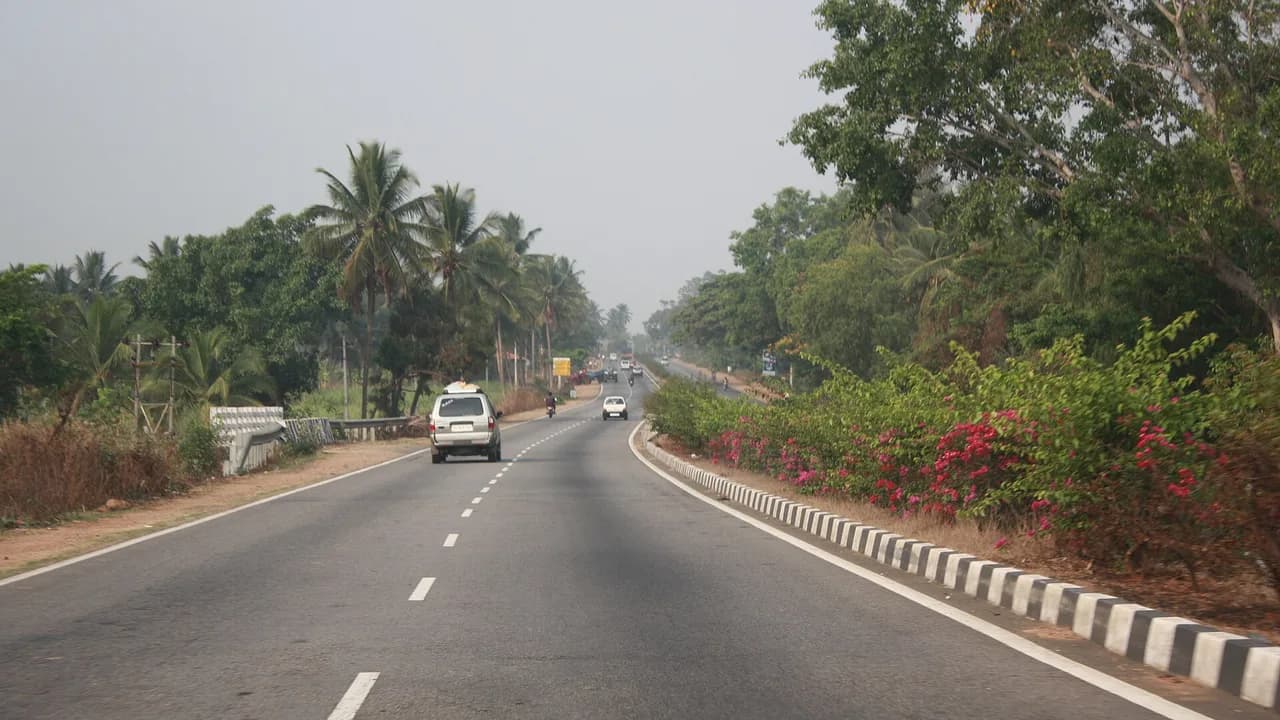
Planning a Road Trip by Car: Tolls, Fuel Stops and Hotel Bookings on Card
Published: 18 October 2026 Category: how-to-guides | cardbuzz
A 1,500 km road trip — Delhi to Jaipur to Udaipur and back, or Bangalore to Coorg to Ooty — is the Indian car owner's favourite use of the machine, and its costs are almost entirely plannable: tolls, fuel, hotels and food. A well-planned trip costs 15–25% less than an improvised one covering the same route, with the savings concentrated in exactly the places cards and advance booking touch.
The Cost Structure of a 1,500 km Trip
| Line item | Planning figure | Notes |
|---|---|---|
| Fuel (petrol, ~15 km/l, ~100 litres) | ₹9,500 – ₹11,000 | Diesel ~20% less; EV a fraction (see note) |
| Tolls (FASTag) | ₹1,500 – ₹3,000 | Route-dependent; expressways cost more |
| Hotels (4 nights, mid-tier) | ₹16,000 – ₹32,000 | Advance booking saves 15–30% |
| Food and incidentals | ₹8,000 – ₹15,000 | |
| Total (couple/family) | ₹35,000 – ₹60,000 |
Fuel is the fixed cost — the only lever is the car's efficiency and the fuel price, neither plannable beyond choosing the economical cruising speed (80–100 km/h is the efficiency band for most cars; 120+ km/h burns disproportionately more). Everything else is plannable.
Tolls: The FASTag Discipline
FASTag is mandatory and the economics are simple: keep the tag balance topped up (low-balance tags trigger cash-lane penalties and delays), and know that return-journey discounts apply within 24 hours on many toll plazas — plan the return leg to capture them where the route allows. The tag itself should be linked for auto-recharge from the card: a toll plaza with an insufficient-balance tag at midnight is a miserable experience, and auto-recharge eliminates it. Toll receipts live in the FASTag app/portal — download the statement after the trip for the expense record.
Fuel Stops: The Card Strategy
Fuel is the trip's largest card-spend line (₹10,000–₹25,000 on a long trip), and fuel surcharges are the trap: most cards levy a 1% fuel surcharge (often waived below a threshold like ₹400–₹4,000 per transaction, and capped). The playbook: use the card with the best fuel earn and a surcharge waiver in the transaction band, and fill in fewer, larger transactions within the waiver cap rather than many small ones outside it. Highway fuel stations on major corridors increasingly accept cards reliably; carry UPI as backup for the rural pump with a "machine not working" sign. Never let the tank drop below a quarter on unfamiliar highways — the fuel-station spacing on Indian highways is uneven, and the 20 km detour to the next pump is the most expensive fuel of the trip.
Hotels: Advance Booking Is the Discount
Road-trip hotels booked 2–4 weeks ahead run 15–30% below walk-in rates on the same property — on a ₹24,000 hotel bill, that is ₹4,000–₹7,000 saved by one planning session. Book the card-friendly property direct or through a reputable aggregator with free cancellation (plans change; locked-in non-refundable rates on a road trip are a false economy), and put the stay on the travel-optimised card. For the classic circuit routes, the mid-tier branded hotels on the highway (not in the city centre) offer the best value: easier parking, quicker exits, and rates 20–30% below their downtown siblings.
The Pre-Trip Checklist (the Unsexy Part That Matters)
Before a 1,000+ km trip: tyre pressure and tread (including the spare), coolant and oil levels, FASTag balance, PUC validity, insurance validity, and the emergency kit (covered in this batch's final article). A 30-minute check prevents the two trip-killers: the highway puncture with a flat spare, and the expired-PUC challan in a strange state. Both are cheaper to prevent than to experience.
The Judgement
Road-trip economics reward the planner: advance hotels, FASTag auto-recharge, fuel on the right card in the right transaction sizes, and a pre-trip inspection. The ₹35,000–₹60,000 trip becomes ₹30,000–₹48,000 with the same route, same hotels, same food — the difference is purely operational. Plan the money with the same enthusiasm as the playlist.


Comments
No comments yet
Be the first to share your experience with this card.