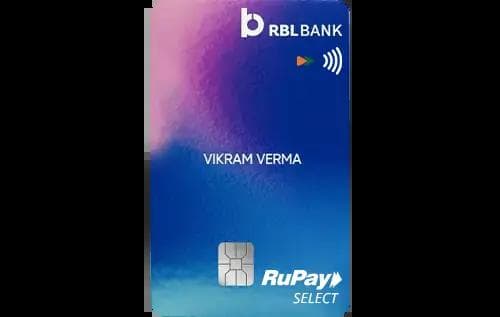
Quick Verdict
- The RBL Bank ShopRite Credit Card ⓘ wins for everyday spend, especially on grocery and fuel.
- The BPCL SBI Credit Card ⓘ is better suited for first-time card users focused mainly on fuel purchases.
- The RBL ShopRite card is cheaper to hold with no joining or annual fees, while the BPCL SBI card charges Rs 499 for both.
- Choose RBL ShopRite ⓘ if you want a fee-free card with high rewards on groceries and fuel. Pick BPCL SBI ⓘ if you want a simple fuel card and don’t mind the fees for lower spend.
Side by Side
| Detail | RBL Bank ShopRite Credit Card ⓘ | BPCL SBI Credit Card ⓘ |
|---|---|---|
| Annual fee | Nil (lifetime free) | Rs 499 |
| Joining fee | Nil (lifetime free) | Rs 499 |
| Fee waiver on spend | Rs 2.00 lakh | Rs 1.00 lakh |
| Reward rate | 0.4% base | 0.25% base |
| Reward type | Points | Points |
| Grocery category rate | 5% | |
| Fuel category rate | 5% | 4.25% |
| Online category rate | 1.25% | |
| Domestic lounge | None | None |
| International lounge | None | None |
| Forex markup | 3.5% | 3.5% |
| Best suited for | Cashback, grocery, fuel, shopping | Fuel, first-card |
Rewards Compared
The RBL Bank ShopRite Credit Card ⓘ offers a base reward rate of 0.4%, which translates to Rs 40 back on Rs 10,000 spent. However, it shines in its category rates, giving 5% returns on grocery and fuel spends, which means Rs 500 back on Rs 10,000 spent in these categories. This makes it highly attractive for users who spend heavily on groceries and fuel. The card’s rewards are points-based, but the effective return percentages are already factored in.
On the other hand, the BPCL SBI Credit Card ⓘ has a lower base reward rate of 0.25%, or Rs 25 on Rs 10,000 spent. Its fuel category rewards are 4.25%, giving Rs 425 back on Rs 10,000 spent on fuel, which is slightly less than the RBL ShopRite card. It also offers 1.25% rewards for online spends, which is modest. The BPCL SBI card’s rewards are also points-based, with the category rates clearly favoring fuel spenders but less so on other categories.
Fees Compared
The RBL Bank ShopRite Credit Card ⓘ is a standout for fee-conscious users, with no joining or annual fees. However, to keep the card fee-free, you need to spend Rs 2.00 lakh annually, which breaks down to about Rs 16,667 per month. This is a moderate threshold for waiver that aligns well with regular grocery and fuel spending patterns.
In contrast, the BPCL SBI Credit Card ⓘ charges Rs 499 as both joining and annual fees. The annual fee is waived if you spend Rs 1.00 lakh annually, or Rs 8,333 monthly, which is a lower waiver threshold than the RBL card. However, to cover the annual fee through base rewards alone, you need to spend about Rs 1,99,600 annually, close to Rs 2.00 lakh, which means the fee waiver threshold is more practical than the break-even point on rewards.
Both cards carry the same forex markup of 3.5%, which is standard for Indian credit cards.
Which One Should You Pick
Choose the RBL Bank ShopRite Credit Card ⓘ if you want a no-fee card that rewards you handsomely on grocery and fuel spends. It is ideal for shoppers who spend regularly on essentials and want to maximize cashback without worrying about fees. This card is less suited for those who spend very little monthly or primarily abroad due to its forex markup and no lounge access.
Pick the BPCL SBI Credit Card ⓘ if you are a first-time cardholder looking for a straightforward fuel card with a lower fee waiver threshold. It suits users who want decent fuel rewards and can comfortably meet the Rs 8,333 monthly spend to waive the fee. However, skip this card if you want higher rewards on groceries or no fees at all.
Overall, the RBL Bank ShopRite Credit Card ⓘ is the better everyday card for most users due to its no fees and higher category rewards, while the BPCL SBI Credit Card ⓘ is a niche choice for fuel-focused spenders who prefer a lower waiver threshold.
What to Check Before You Apply
- Confirm the exact spending categories eligible for 5% rewards on the RBL ShopRite card, especially for grocery and fuel.
- Check if there are caps on the maximum rewards you can earn in the high-return categories.
- Understand the monthly spend needed to waive fees and whether your typical spending meets that comfortably.
- Be aware that both cards charge 3.5% forex markup, which can be expensive for international transactions.
- Neither card offers lounge access, so if you travel frequently and want lounge benefits, consider alternatives.

Comments
No comments yet
Be the first to share your experience with this card.