Receiving Payments: UPI QR Versus Credit Card Acceptance for a Kirana Store
Published: 23 October 2026
Category: comparisons | cardbuzz
Tags: UPI, QR code, card acceptance, POS machine, MDR, kirana payments
Walk into almost any kirana store in India today and you will see a printed QR code near the till. Walk into a larger neighbourhood supermarket and you will see a POS terminal too, accepting credit and debit cards. The two rails solve the same problem — taking money without handling cash — but they charge the shopkeeper very differently, and the right mix for a small store is not the same as for a large one.
The economics are simple at the core. UPI payments settle into the merchant's account with effectively zero cost to the shopkeeper, and the money typically arrives fast. Card payments through a POS terminal carry a merchant discount rate — a percentage the acquirer takes from each transaction — plus the cost of the terminal itself, whether rented monthly or bought outright. For a kirana store running on single-digit margins, that percentage is not a rounding error; on a month's card turnover it can exceed the store's profit on those same sales.
Why UPI won the small-ticket counter
For the typical kirana basket — a few hundred rupees of daily groceries — UPI is the natural rail. There is no per-transaction cost to the shopkeeper, settlement is quick, and customers already have the habit. The QR code costs nothing to display, there is no hardware to maintain, and reconciliation is a matter of checking the settlement messages against the day's sales.
UPI's one operational weakness is at the reconciliation layer. When the counter is busy, payments arrive faster than anyone can verify them, and a customer showing a screenshot that is not quite real is a known small fraud. The fixes are procedural: a soundbox or speaker that announces each received payment, one QR per counter rather than one per shop, and a daily habit of matching the day's UPI settlements against the billing register. These cost little and close most of the gap.
Where card acceptance earns its place
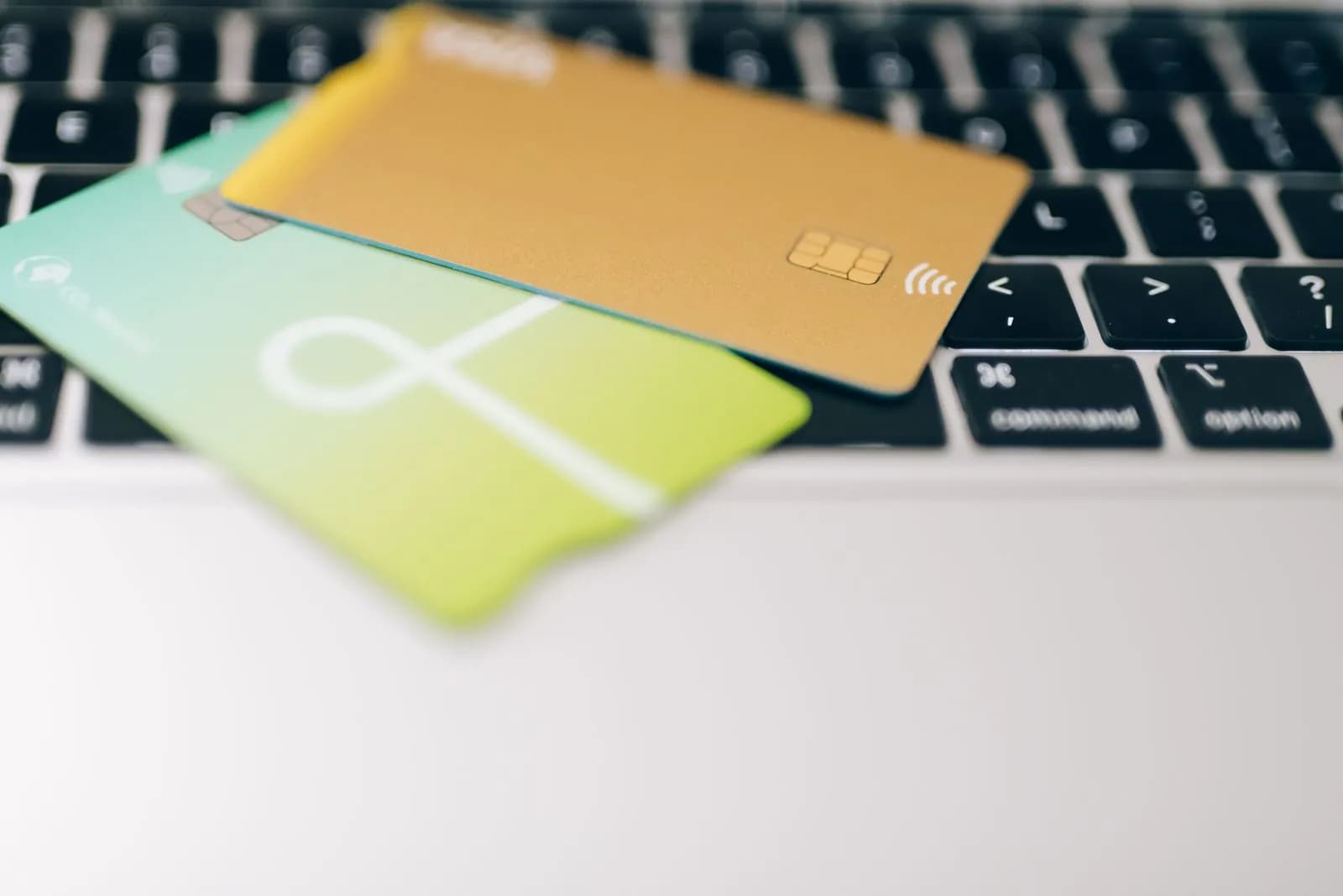
Card acceptance starts making sense as the average bill rises. Customers buying a month's groceries in one trip, stocking up before a festival, or paying for a high-value item like a small appliance are more likely to reach for a credit card, partly for the rewards and partly for the deferred payment. If the store cannot accept the card, that basket either shrinks to what the customer's UPI limit allows or walks to a competitor that does take cards.
There is also the ticket-size psychology: customers paying by card tend to add the one extra item. The effect is modest per transaction but real across a month, and it partially offsets the discount rate. The break-even question is straightforward — does the extra card-driven turnover, plus the baskets you would otherwise lose, cover the discount rate and the terminal cost? For stores with a steady stream of larger bills, the answer is often yes; for a pure daily-needs counter with small baskets, it is usually no.
The cost stack of a POS terminal
Before ordering a terminal, count the full cost. There is the discount rate on every card transaction, which varies by card type — credit cards cost the merchant more than debit cards, and premium cards more than basic ones. There is the terminal rental or purchase cost, and sometimes a minimum monthly billing commitment. There are also the soft costs: the time to train staff, the extra seconds per transaction during rush hours, and the reconciliation of card settlements alongside UPI and cash.
One lever worth knowing: some acquirers and payment apps now offer card acceptance through the phone or a low-cost device rather than a full terminal, which changes the fixed-cost side of the equation. The discount rate remains, but the entry cost falls, which makes the break-even easier for smaller stores.
Running both rails without chaos
Most growing stores end up with both: QR for the small daily baskets, cards for the large ones. The operational trick is to make the choice the customer's, not the staff's, and to keep settlement streams separate in the books. A simple daily routine — cash counted, UPI settlements checked, card batch settled, all three matched to the billing total — catches errors and fraud on any rail within a day.
Staff training matters more than hardware. The two things every counter hand should know are: always verify the payment before handing over the goods on UPI, and never run a card twice because the first attempt "seemed slow" without checking whether it went through. Both mistakes are cheap to prevent and expensive to fix.
What about the customer's rewards angle
Shopkeepers sometimes worry that customers paying by card are "costing" the store while earning rewards for themselves. That is the wrong frame. The discount rate is the price of accessing the card customer's wallet; the customer's rewards are the bank's business, not yours. If the card turnover is profitable after the discount rate, the arrangement works regardless of what the customer earns. If it is not profitable, the answer is to steer small baskets to UPI, not to resent the rail.
A decision checklist for payment acceptance
Ask: what is the average bill size, and how many baskets a month are large enough that card acceptance could save or grow them? Does the discount rate plus terminal cost stay below the extra margin those baskets bring? Is the UPI reconciliation discipline — soundbox, per-counter QR, daily matching — already in place? Can staff be trained on the two basic card-counter rules? And are the three settlement streams separated in the daily books? If the numbers say yes, add the card rail; if the baskets are small and the discipline is thin, the QR code alone is the right answer for now.

Comments
No comments yet
Be the first to share your experience with this card.