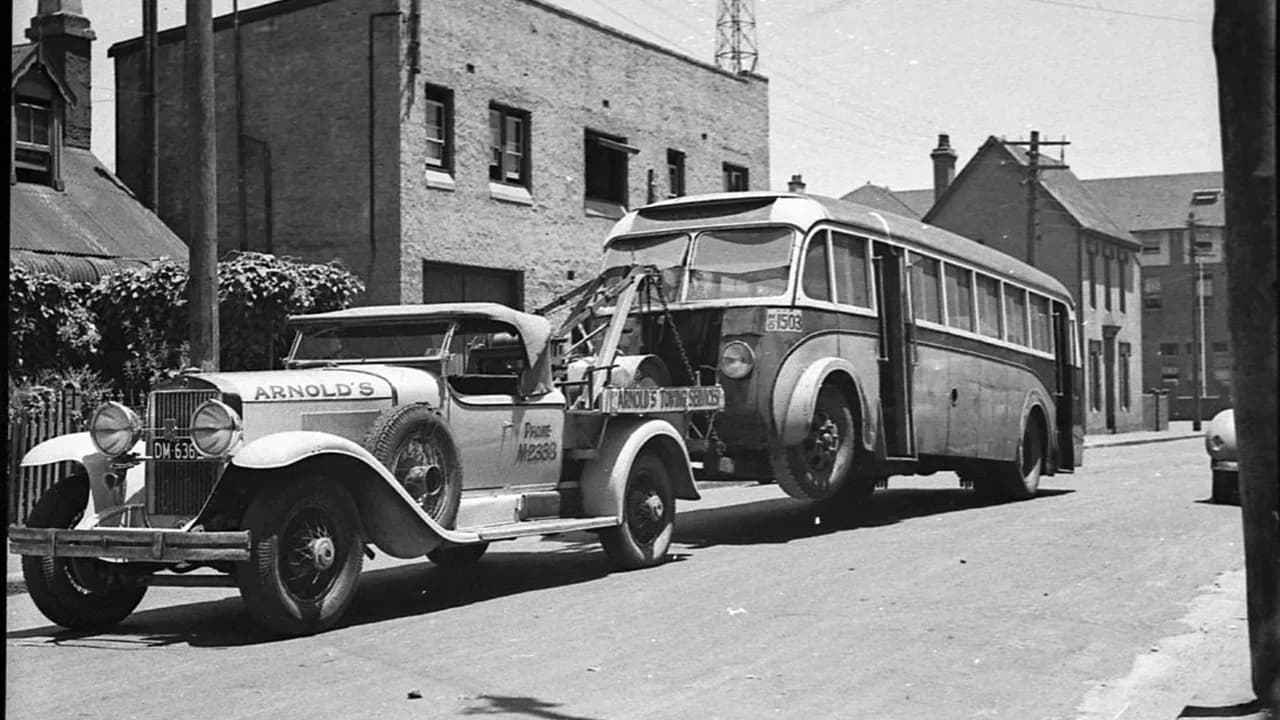
Roadside Assistance Memberships and Car Emergency Kits: Costs Compared
Published: 18 October 2026 Category: buying-guides | cardbuzz
Every driver will eventually stand beside a dead car on a dark road. What happens in the next 30 minutes is determined entirely by decisions made months earlier: the roadside assistance membership (or lack of it) and the emergency kit in the boot (or lack of it). Both are cheap. Neither is bought until needed, which is precisely the problem.
Roadside Assistance: The Options
| Provider | Typical annual cost | Coverage | Notes |
|---|---|---|---|
| Manufacturer RSA (with new car) | Included 3–5 years | Towing to nearest ASC, fuel, jump-start | Expires; extension available at renewal |
| Insurance add-on RSA | ₹500 – ₹1,500/year | Varies by insurer | Check the towing distance limit |
| Automobile association (e.g. WIAA) | ₹1,500 – ₹3,500/year | Pan-India network | The classic option; still solid |
| Standalone RSA providers | ₹1,000 – ₹2,500/year | App-based dispatch | Coverage density varies by region |
| Credit-card complimentary RSA | ₹0 (card benefit) | Towing, fuel delivery (limits apply) | Check the fine print before relying on it |
The fine print that matters: towing distance limits (free towing is typically 25–50 km; beyond that, ₹50–₹100/km), the number of free interventions per year (usually 3–4), whether the service covers the driver's location or only "motorable roads" (remote ghat sections test this), and response-time commitments (urban: 45–90 minutes; highway: longer). A membership that covers 25 km of towing is decorative for a highway driver — the breakdown happens 200 km from the city, and the tow bill is ₹8,000–₹15,000.
The overlap trap: a new car with manufacturer RSA plus an insurance RSA add-on plus a card's complimentary RSA is triple-covered for the same event. Audit the stack annually and keep exactly one primary membership with the best highway coverage, plus the card benefit as backup. Paying ₹3,500 a year for three overlapping memberships is the RSA equivalent of the forgotten subscription.
The Emergency Kit: The ₹3,000 That Matters
| Item | Cost | Why |
|---|---|---|
| Jumper cables (heavy-duty) | ₹800 – ₹1,500 | Dead battery is the #1 roadside event |
| Portable tyre inflator (12V) | ₹1,500 – ₹3,000 | Slow puncture vs stranded |
| Puncture repair kit + sealant | ₹300 – ₹600 | Gets the car to the tyre shop |
| Reflective triangles + hi-vis vest | ₹400 – ₹800 | Legal requirement in several states; survival equipment everywhere |
| Torch (rechargeable) | ₹500 – ₹1,000 | Night breakdowns are dark |
| Basic tool kit + tow rope | ₹800 – ₹1,500 | |
| First-aid kit | ₹500 – ₹1,000 | |
| Drinking water + blanket | ₹300 | The unglamorous essentials |
| Total | ₹5,000 – ₹10,000 | One-time; lives in the boot |
Assemble it once, check it annually (the inflator's fuse, the torch's charge, the sealant's expiry). The kit does not replace the membership — it covers the 30 minutes before the truck arrives, and the situations (a slow puncture 5 km from the tyre shop) where self-help beats a 90-minute wait.
The Credit-Card Angle
Several premium cards bundle complimentary RSA — verify the terms before the trip, not during the breakdown: which number to call, what the distance limits are, whether the benefit extends to family members driving the car. The membership fee itself (₹1,000–₹3,500/year) is a small clean card transaction, ideal as an annual standing instruction alongside the insurance renewal — the two expiries should be calendared together, because an expired membership discovered at midnight on the highway is the same as no membership. The emergency kit is a one-time online purchase, perfect for a sale-window buy.
The Judgement
Roadside assistance and the emergency kit are the cheapest risk reduction in car ownership: ₹2,000–₹3,500 a year for the membership, ₹5,000–₹10,000 once for the kit, against the ₹8,000–₹15,000 highway tow and the genuinely frightening experience of a night breakdown without either. Audit the overlap, keep one good membership, build the kit, calendar the renewal. The driver who does this never thinks about it again — which is exactly the point. The best emergency equipment is the equipment bought before the emergency.

Comments
No comments yet
Be the first to share your experience with this card.