Site Visits and Supplier-City Travel: Fuel, Tolls and Hotel Spends on Credit Cards
Published: 22 October 2026
Category: how-to-guides | cardbuzz
Tags: interior designers, site visits, fuel spends, toll payments, FASTag, hotel bookings, business travel, supplier cities
A designer's work is relentlessly physical. Site visits across the city, sometimes two or three in a day. Supplier runs to wholesale markets in another city, to the timber yards, the stone mandis, the lighting districts where the trade actually happens. Hotel stays when a project is out of town. None of this is glamorous travel, but it is constant, and it is all payable by card if you set it up right.
Fuel, tolls and hotels each have their own card mechanics. Understanding them turns a cost centre into a steady trickle of rewards and, just as importantly, into clean documentation for project billing.
Fuel: the surcharge mechanics
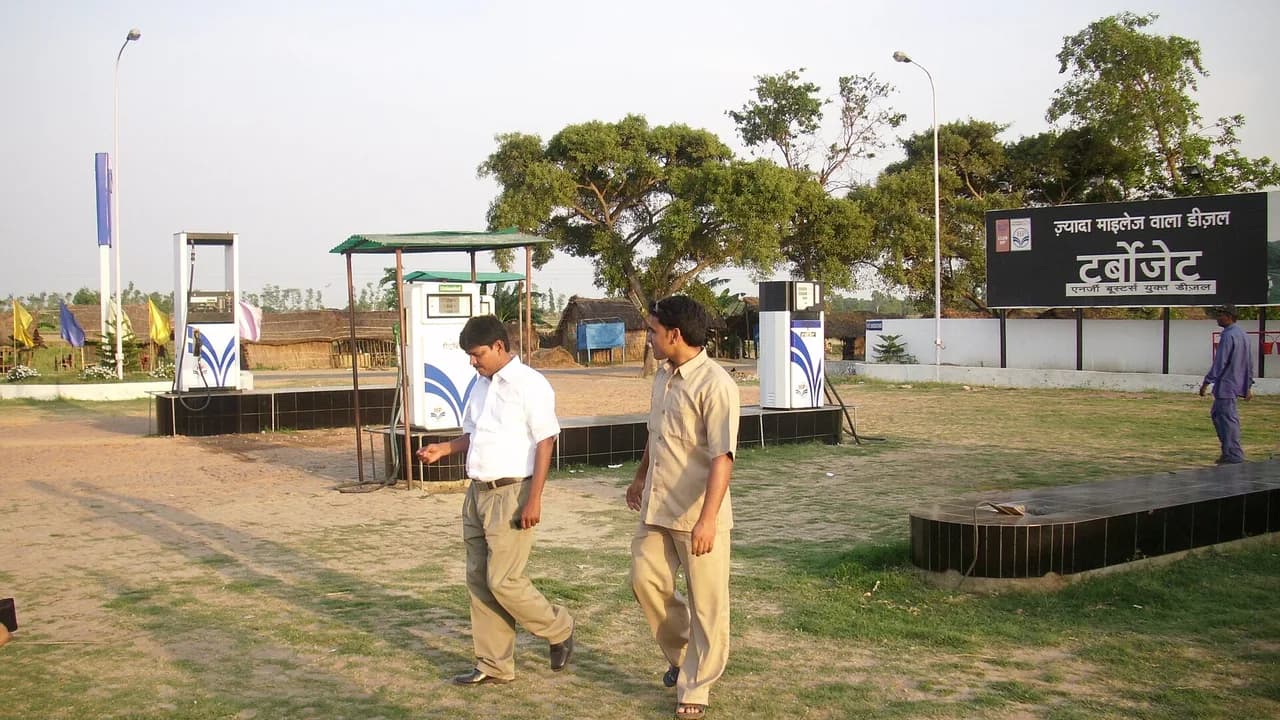
Paying for fuel by card involves a fuel surcharge, a small percentage added by the acquiring bank on fuel transactions. Many cards waive this surcharge up to a monthly cap, which effectively makes fuel a surcharge-free spend within the limit. The waiver mechanics vary: some cards apply it automatically, some credit it back later, and the cap is always stated in the card's terms, so check yours rather than assuming.
Two practical points. First, the surcharge waiver usually has both a lower and upper bound per transaction; very small or very large fuel fills may fall outside it. Second, fuel rarely earns meaningful rewards, and some cards exclude fuel from rewards entirely. Treat fuel-on-card as a documentation and cash-flow play, the spend is tracked and consolidated on the statement, rather than a rewards play.
For a studio running site visits daily, a dedicated fuel pattern helps: one card kept for fuel and tolls, so the month's mobility cost is visible as a single line in your ledger. When clients reimburse travel on actuals, that single line is your evidence.
Tolls and FASTag: small spends, steady and clean
FASTag recharges are among the simplest card spends in the business. Recharge the tag through your bank's app or the tag issuer's portal using the card, and the toll deductions draw from the tag balance. The recharge itself is the card transaction: clean, instant, and easy to tag to a project or to general studio overheads.
Keep the tag's vehicle mapping current. Studios often run the same car for site visits and personal use; if you bill clients for travel, decide the allocation rule once, for instance a per-kilometre rate or a project-tagged logbook, and apply it consistently. The card statement shows the recharge; the logbook shows the project. Together they survive scrutiny.
Hotels: booking mechanics that matter
Supplier-city trips mean hotel stays, and the booking channel changes both the price and the rewards. Booking directly with the hotel often earns the card's travel-category rewards cleanly and gives you a proper GST invoice in your business name, which matters for input tax credit on the stay. Aggregator bookings can be cheaper upfront but sometimes complicate the invoice and the rewards category.
At check-in, the hotel will typically place an authorization hold on the card for incidentals. This hold temporarily reduces your available limit, so on trips with large material purchases planned on the same card, factor the hold in. The hold releases after checkout, but release timing varies, so do not plan a big vendor payment for the same day you check out.
For frequent supplier-city routes, a simple loyalty habit pays off: one hotel chain or one booking pattern, so stays accumulate toward something, and one card for all travel, so the month's travel cost is one ledger line. Boring is efficient here.
Putting the travel spend to work
None of these categories will make you rich in rewards. Their value is operational: every litre, toll and night is documented, timestamped and project-taggable the moment the statement arrives. At month end, export the travel card's statement, tag each line to a project or to studio overheads, and the travel cost of every project is known without a shoebox of receipts.
One final discipline: keep a separate card, or at minimum a separate mental account, for travel versus material spends. When a client questions a project's travel billing, you want one clean statement to show, not a forensic excavation through plywood bills. Separation at the point of spend is worth more than any reward rate.

Comments
No comments yet
Be the first to share your experience with this card.