Splitting Big-Ticket Bills Across Cards: Milestone Math Done Right
Published: 19 October 2026 Category: buying-guides | cardbuzz
A flagship television or a full kitchen-appliance set can easily produce a single bill that exceeds what any one of your cards handles well — a boosted-rate cap here, a milestone threshold there, a "once per card" bank offer somewhere else. Splitting the bill across two or more cards is a legitimate, widely used technique. Done deliberately, it multiplies bank offers and keeps more spend inside boosted earn bands. Done carelessly, it fragments rewards into useless slivers.
Why splitting works: the mechanics
Three card mechanics make splits profitable:
1. Per-card bank-offer limits. Festive bank offers are typically "once per card". An illustrative ₹60,000 bill (all figures illustrative) split into two ₹30,000 payments on two eligible cards from the same bank can earn the offer twice — where one ₹60,000 swipe earns it once. Always verify the terms allow it; some offers limit by customer rather than by card.
2. Boosted-rate caps. If Card B pays an illustrative 5% on electronics up to a monthly cap and the bill exceeds the cap, the excess earns the base rate. Splitting the excess onto Card A (flat illustrative 2%, uncapped) rescues the earn on the overflow.
3. Milestone thresholds. A bill that overshoots a milestone by a wide margin wastes the excess on a card whose marginal earn is low. Splitting lets the threshold-crossing portion sit on the milestone card while the remainder goes to the highest flat earner.
Illustrative split walkthrough
Assume an illustrative ₹90,000 home-theatre-plus-TV bill, two cards, and a festive bank offer of illustrative 10% up to ₹5,000, once per card, minimum ₹30,000:
| Approach | Bank offer earned | Rewards (illustrative) | Notes |
|---|---|---|---|
| Single swipe, Card B | ₹5,000 (capped) | Boosted rate on capped portion, base on rest | Simple; leaves offer value unclaimed |
| Split ₹45,000 + ₹45,000 across two eligible cards | ₹4,500 + ₹4,500 = ₹9,000 | Boosted rate on both halves (caps respected) | Near-doubles the bank offer |
| Split ₹50,000 (milestone card) + ₹40,000 (flat card) | Depends on eligibility | Milestone crossed + flat earn on rest | Best when a threshold is in play |
The split roughly doubles the bank-offer value in this illustrative example — often the single biggest gain available on a large festive bill.
How to execute a split
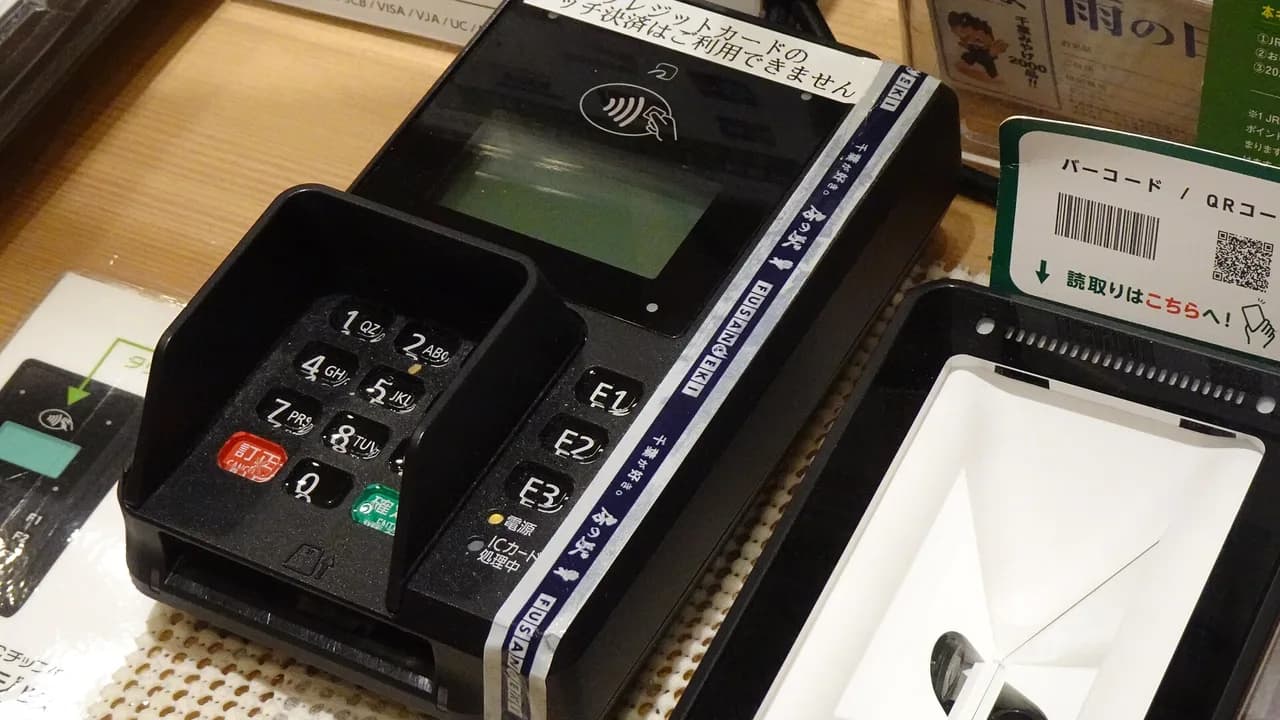
Offline stores will almost always split a bill across two cards on request — ask before the first swipe, and confirm each portion's amount.
Online, splitting is harder: most checkouts accept one payment method per order. Workarounds include:
- Buying items as separate orders (TV in one order, soundbar in another) — each order is its own bill.
- Using gift cards or wallet balance for one portion and a card for the rest — but verify the bank offer still applies, since some offers exclude wallet-funded transactions.
- Checking whether the retailer's app allows multi-card payment — a few large marketplaces do.
Always confirm the split before paying: once a single large swipe is done, you cannot retroactively divide it.
The milestone trap: do not manufacture spend
Splitting is a tool for allocating planned spend, not for creating spend. The classic error: splitting a bill to cross a milestone, then realising the milestone bonus is worth less than the extra cost incurred to reach it (a more expensive variant, an unneeded accessory, interest on EMI). Compute the milestone bonus value first — in illustrative terms — and only chase it if the bonus clearly exceeds any incremental cost.
Also note: some cards exclude EMI transactions from milestone qualification. If your split plan involves converting one portion to EMI, verify it still counts toward the threshold.
Reward fragmentation: the hidden cost
Splitting spreads rewards across programmes. Two half-earns in two different point currencies may each fall below useful redemption thresholds, while one consolidated earn would have been redeemable. Before splitting for a marginal gain, check:
- Minimum redemption blocks in each programme (illustrative: 500 or 1,000 points).
- Whether either card's points expire — stranded points that expire are worth zero.
- Transfer-partner minimums if you consolidate via transfers.
A useful rule of thumb: do not split for a gain smaller than the value you would lose to fragmentation and expiry risk.
Bank-offer arithmetic on splits
When an offer has a minimum transaction value, each split portion must independently clear it. An illustrative ₹60,000 bill split into ₹35,000 + ₹25,000 fails a ₹30,000 minimum on the second portion — you would earn the offer once, not twice. Size the portions deliberately: both above the minimum, both below the cap's effective bill (cap ÷ rate), if you want each portion to earn the full percentage.
Split-friendly card pairings to plan ahead
The best splits are planned before the season, not improvised at the till. A practical pairing for a large festive appliance buy:
- Card 1 — the offer card: the card carrying the strongest festive bank offer (instant discount or cashback) for the retailer you will use. Its portion should be sized to the offer's sweet spot — above the minimum, at or below the bill level where the cap binds.
- Card 2 — the earn card: your highest uncapped flat-rate earner, or a milestone card near a threshold. It takes the remainder.
Keep both cards' current-cycle positions in mind: an offer card whose "once per card" use you already spent on a phone purchase cannot double up on the TV. Map each planned festive purchase to a card pair in advance, and the splits execute themselves.
Record-keeping for split bills
Split purchases complicate every downstream process — returns, warranty claims, card benefit registration. Keep:
- Both charge slips / transaction references, linked to the single invoice.
- A note of which card paid which portion (matters for extended-warranty claims, which may require the product to be "purchased with" the card).
- Screenshots of each portion's bank-offer application at checkout.
Bottom line
Bill-splitting is one of the highest-leverage moves in festive appliance buying: it can legitimately double a per-card bank offer and keep large bills inside boosted earn bands. The discipline is in the sizing — each portion above the offer minimum, below the cap's sweet spot, and large enough to avoid reward fragmentation. Plan the split before checkout, not at the payment terminal.
All figures in this article are illustrative examples; actual offer terms, caps, thresholds, and reward rates vary by bank, card, and retailer.



Comments
No comments yet
Be the first to share your experience with this card.