Tap to Pay at Cafés: Contactless Limits, Safety and Tokenised Cards Explained
Published: 18 October 2026 Category: how-to-guides | cardbuzz
The fastest queue at a busy café is the one where nobody types a PIN. Tap-to-pay — holding a card or phone near the terminal — has become the default way to pay for coffee in Indian cities. It is quick, but it raises fair questions: how much can go through without a PIN, what happens if the card is lost, and what does "tokenisation" actually do? Here are the mechanics, plainly explained.
How contactless payment works
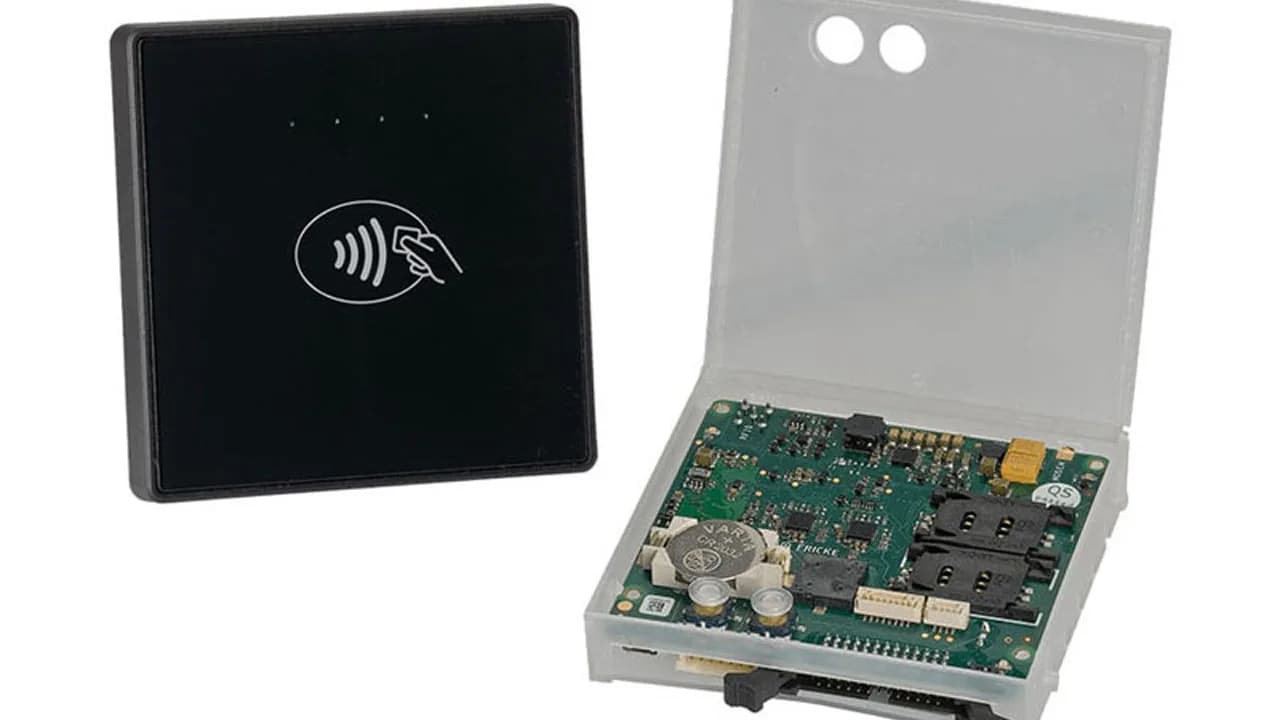
Contactless cards and phones communicate with the terminal over NFC (near-field communication) — a short-range radio link that works within a few centimetres. When you tap, the terminal and the card exchange encrypted payment data and the transaction is approved, usually in under two seconds. No PIN, no signature, no swiping.
The speed is the point. At a café counter during the morning rush, the seconds saved per customer keep the line moving — which is why cafés were among the earliest and most enthusiastic adopters of contactless terminals.
The PIN-less limit and what sits above it
In India, contactless transactions up to ₹5,000 can go through without a PIN. Above that amount, the terminal will ask for the PIN even on a tap — the transaction is still contactless, it just adds the verification step. This limit is set at the regulatory level and applies across banks.
For café spends, the practical effect is simple: virtually every coffee, snack, or casual meal falls under the PIN-less limit. A ₹350 bill taps through; a ₹6,000 office party order will ask for the PIN. There is nothing to configure — the terminal enforces it automatically.
Safety: what actually protects a tapped card
The common worry — "someone could brush a terminal against your pocket and steal money" — is largely addressed by design:
- Range is tiny. NFC works within about 4 cm. A terminal cannot charge a card from across the room.
- The card never leaves your hand. Unlike swiping or inserting, tapping keeps the card with you, which removes the oldest café fraud of all: the card taken "to the back" and copied.
- Lost-card exposure is capped in practice. If a card is lost, anyone tapping it is limited to ₹5,000 per PIN-less transaction — and the cardholder's first call should still be to block the card immediately through the bank's app or helpline.
The genuinely important safety habit is not about tapping at all: check statements monthly. Unfamiliar small charges are the signature of card misuse, contactless or otherwise, and spotting them early is what limits the damage.
Tokenisation: the saved card in the café app
Many people save their card in a café chain's app for one-tap ordering. Under India's tokenisation framework, merchants no longer store the actual card number. Instead, the card network issues a token — a substitute number that works only with that specific merchant.
What this means in practice:
- If the café app's database is breached, the attackers get tokens, not card numbers. The tokens are useless anywhere else.
- The real card details stay with the bank and the card network.
- Tokenised cards can be managed and deleted from the bank's app.
One caveat: tokenisation protects the stored card, not the transaction. It does not stop someone who has your phone and your app PIN from ordering. Phone-level security — a lock screen, and ideally biometric approval for payments — remains the cardholder's job.
Tap, phone, or physical card?
| Method | Speed | PIN-less limit | If device/card is lost |
|---|---|---|---|
| Physical card tap | Fastest | ₹5,000 | Block via bank app/helpline |
| Phone tap (mobile wallet) | Fast | ₹5,000 | Remote-lock the phone; wallet needs biometric |
| Saved card in café app | Fastest for pre-orders | App's own limits | Delete token via bank app |
Phone taps add a useful layer: most mobile wallets require fingerprint or face unlock before the tap works, so a lost phone is harder to exploit than a lost card. For the daily café run, the phone is the slightly safer tap.
Contactless is not a risk to be managed so much as a convenience to be used sensibly: tap freely under the limit, keep the phone locked, save cards only in apps you actually use, and read the statement. That is the entire safety manual.

Comments
No comments yet
Be the first to share your experience with this card.