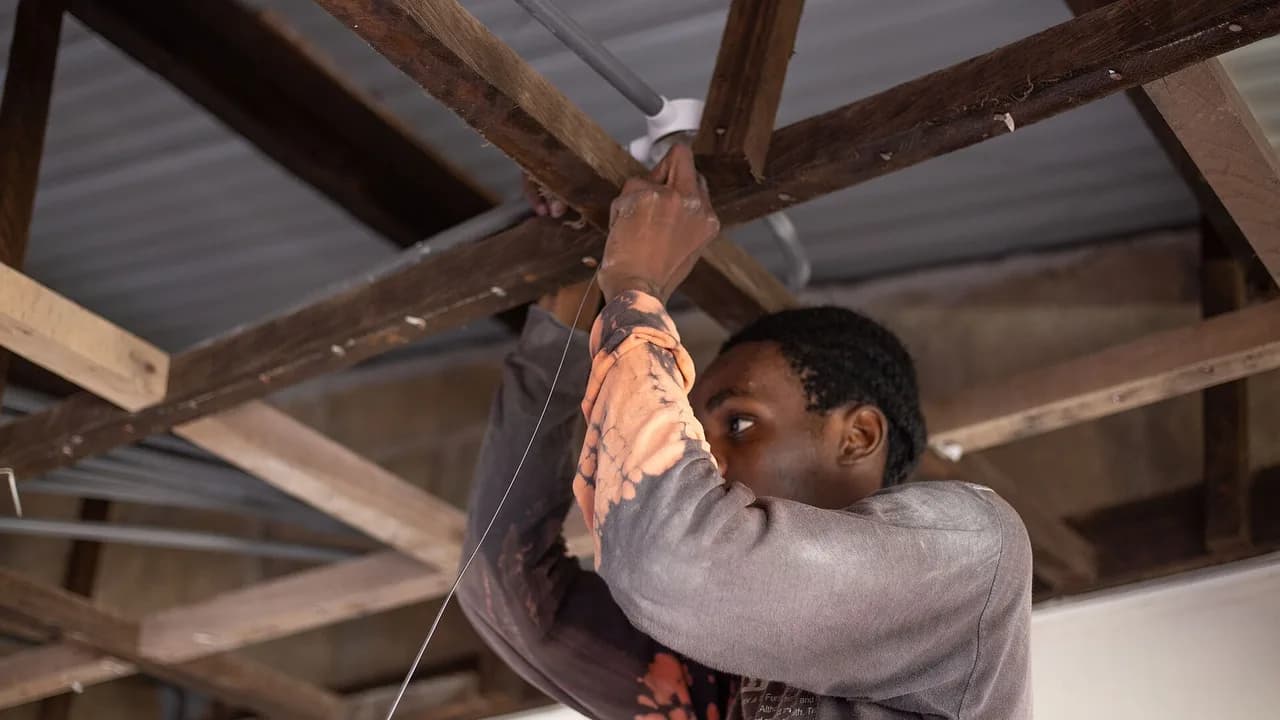
The Invoice Problem: Why a GST Bill from Your Electrician Changes Everything
Published: 18 October 2026 Category: how-to-guides | cardbuzz
Most home-repair payments in India happen without an invoice: the electrician quotes ₹1,500 on WhatsApp, you pay by UPI, and the transaction vanishes into anecdote. That informality costs you three things — your card's dispute rights, your warranty claim on parts replaced, and any tax or insurance documentation. A proper GST invoice from the technician changes the payment from an anecdote into a contract. This guide explains what to ask for, why it matters for card users specifically, and how to handle technicians who don't issue one.
What a proper invoice contains
A GST invoice for a home repair should show:
- The service provider's name, address, and GSTIN
- Your name and address
- Date, invoice number
- Description of work (e.g. "ceiling fan installation + wiring check")
- Parts supplied, separately itemised (with their own GST rate — 18% or 28% depending on the part)
- Labour charges (18% GST on services)
- Total, payment mode, and the provider's signature/stamp
For card users, two lines matter most: the amount (must match your card statement) and the description (your dispute evidence).
Why it matters for card payments specifically
Dispute rights. A chargeback for deficient service needs evidence of the contract. "He said he'd fix the geyser for ₹2,000" is not evidence. An invoice describing the work, plus photos of the still-broken geyser, is. Banks adjudicating services-not-as-described disputes look for exactly this: what was promised (invoice) vs what was delivered (photos).
Purchase protection and extended warranty. If the technician supplied parts (a new MCB, a pump, a geyser element), the part's warranty runs from the invoice date. No invoice, no warranty start date, no claim. Card purchase-protection benefits (where offered) similarly need proof of purchase.
The MCC question. A GST-registered technician with a proper card terminal bills under a consistent MCC. A technician taking UPI on a personal QR gives you no card transaction at all. If you want the spend on your card — for rewards, for the interest-free period, for the paper trail — the invoice and the card payment go together. Ask upfront: "Do you take card payment and give a GST bill?" If either answer is no, decide whether the job is worth the informality.
The conversation to have before work starts
Before the technician touches anything, agree in writing (WhatsApp counts):
- Scope: what exactly will be done
- Price: fixed quote or time-and-materials, and which
- Parts: who supplies them, what brand/specification, and whether they're billed separately
- Payment mode: card/UPI/cash — and whether a GST invoice will be issued
- Warranty: on labour (typically 30–90 days by convention) and on parts (manufacturer's)
Screenshot the agreement. This five-line exchange is the contract your dispute rights rest on.
When the technician has no GST registration
Many independent technicians are below the GST registration threshold or unregistered. You can't force an invoice they can't issue — but you can still protect yourself:
- Get the quote and scope on WhatsApp (written, timestamped).
- Pay by UPI or card (not cash) so there's a payment record with a reference number.
- Take before/after photos.
- For parts, buy them yourself from a retailer (which gives you a proper retail invoice and lets you pay by card with normal rewards) and pay the technician labour-only.
The hybrid — you supply parts, they supply labour — is often the best structure for larger repairs: clean invoices on the expensive components, simple labour payment.
Pitfalls
Pitfall 1: Paying the full amount upfront. Standard practice: nothing or a small advance for large jobs; the balance on completion and testing. Full upfront payment surrenders your only leverage.
Pitfall 2: The invoice arrives later "by WhatsApp." Acceptable if it arrives — but verify it matches the agreed amount before paying the balance. An invoice generated after payment is documentation, not a contract.
Pitfall 3: GST charged but no GSTIN on the invoice. If GST is itemised, the GSTIN must appear. A bill showing "GST 18%" with no GSTIN is a red flag — the tax may not be remitted.
Pitfall 4: Card surcharge added at payment time. Some technicians add 2% for card payments. That's their prerogative to ask, and yours to refuse — but decide before the work starts, not at payment time. A surprise card surcharge is negotiable only before the job.
Pitfall 5: No receipt for advance payments. Advances need receipts too — a simple written acknowledgement with date, amount, and job reference. An advance without a receipt is a gift if disputed.

Comments
No comments yet
Be the first to share your experience with this card.