Women's Self-Help Groups and Micro-Enterprise: First Digital Payments and Business Expenses
Published: 22 October 2026
Category: how-to-guides | cardbuzz
Tags: women shg, micro enterprise, digital payments, women entrepreneurs, business expenses, financial inclusion
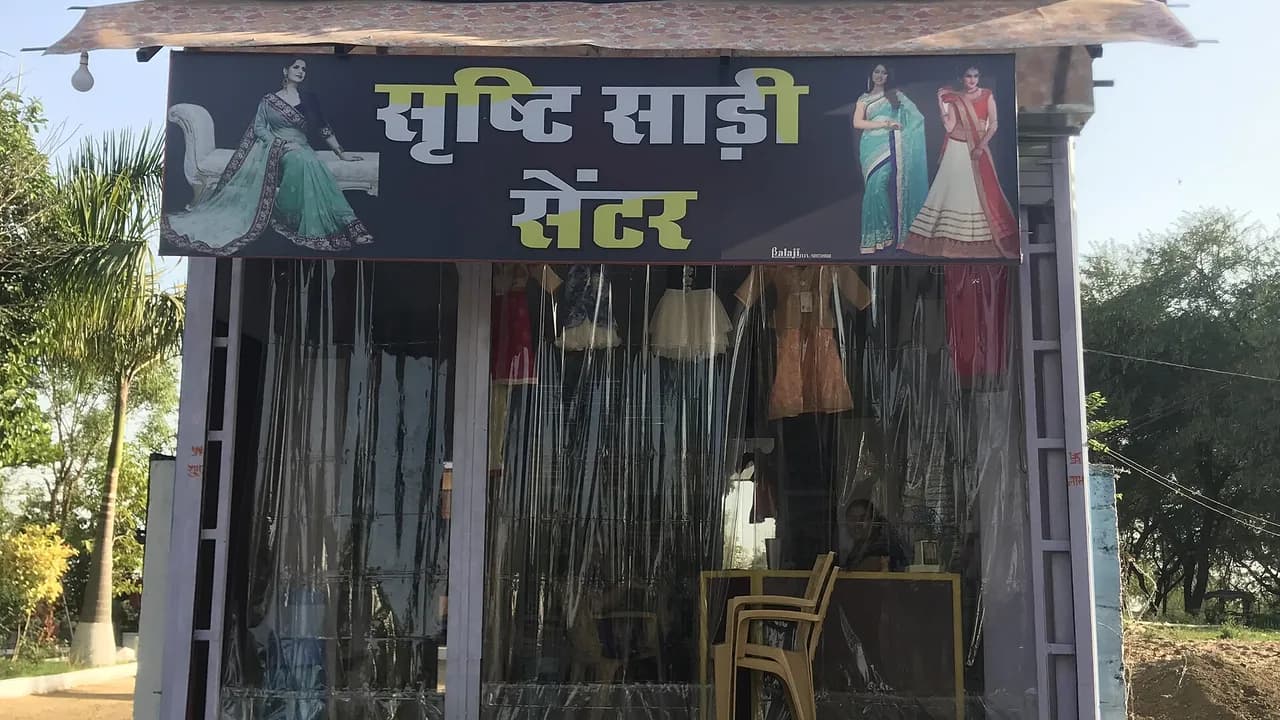
Across India, women's self-help groups are quietly producing the country's largest cohort of first-time women entrepreneurs. A group that began with monthly savings graduates to internal lending, then to a bank-linked loan, and then — for many members — to a micro-enterprise: a tailoring unit, a kirana shop, a food-processing activity, a goat-rearing or poultry unit, a beauty or repair service. At that point the group's finances change character: it is no longer just savings and loans, but a business with expenses, revenues and cashflow to manage.
This transition is also, for millions of women, the first sustained contact with digital payments and formal business finance. How that first contact goes — whether the enterprise's money stays in cash or moves through accounts and digital rails — shapes whether the business can grow beyond what one household's cash box can support.
From household savings to business cashflow
The micro-enterprises that grow out of SHGs share a financial profile: small ticket sizes, thin margins, daily or weekly cash turnover, and expenses that are frequent and small — raw material purchases, transport, packaging, casual labour. In the cash-only version of this business, every expense is paid from the day's collections, the working capital is whatever is in the tin box, and growth is limited by the household's ability to set cash aside.
The moment the enterprise's money flows through a bank account — even a basic savings account — the picture changes. Inflows and outflows become visible, the business develops a transaction history, and the owner can see, often for the first time, what the enterprise actually earns after expenses. That visibility is the foundation of every later financial step: pricing decisions, reinvestment choices, and eventually eligibility for business credit.
The first digital payments
For many SHG entrepreneurs, the first digital payment is received rather than made: a customer paying by UPI, a government benefit or scheme payment credited directly to the account, or the SHG's own bank-linked loan arriving as an account credit. Receiving is the gentle on-ramp — it requires only an account and a QR code or an Aadhaar-linked setup, not the confidence to initiate a payment.
Making payments digitally comes next: paying a supplier by UPI instead of cash, transferring the SHG's monthly contribution electronically, paying a utility bill or a loan instalment through the banking app or a banking correspondent. Each digital payment leaves a trail, and that trail is doing quiet work: it is building a verifiable business transaction history that no cash ledger, however honest, can match in a lender's eyes.
Banking correspondents and AePS-enabled micro-ATMs matter enormously here, because the nearest bank branch may be kilometres away. A woman who can deposit, withdraw and transfer at the village correspondent point has effective banking access without the travel cost that kills small transactions.
Managing business expenses like a business
The step that separates a thriving micro-enterprise from a subsistence activity is expense discipline — and digital trails make it enforceable. Three habits carry most of the weight.
First, separate the business money from the household money, at least notionally: a dedicated account or even a clearly tracked wallet for the enterprise, so business surplus is visible and not silently absorbed by household spending. Second, record every expense, however small — a notebook works, a phone-based record works better, and a bank statement that shows every supplier payment works best. Third, price with the full cost in view: transport, packaging, wastage and the owner's own time, not just raw materials.
Groups that adopt these habits find that their enterprises become bankable far sooner. A lender assessing a micro-enterprise loan looks for exactly this: regular inflows, documented outflows, and a surplus that can service debt. The SHG's collective guarantee and the member's savings history get the application in the door; the business's own transaction record closes it.
The group as a business school
The SHG itself is the training ground. Members who have spent years maintaining group ledgers, auditing each other's loans and debating interest rates at meetings have already learned bookkeeping, credit appraisal and collective financial governance — they just learned it in the context of the group rather than a business. The micro-enterprise transition is the moment that literacy gets applied to the owner's own venture.
Support institutions — from NABARD-supported programmes to state livelihood missions — increasingly pair enterprise finance with this kind of capability building, because the evidence is clear: credit without bookkeeping produces debt, while credit with bookkeeping produces growth. For the woman entrepreneur, the practical sequence is savings discipline, then group borrowing discipline, then enterprise transaction discipline — each one built on the last, each one making the next loan cheaper and larger.

Comments
No comments yet
Be the first to share your experience with this card.