Quick Verdict
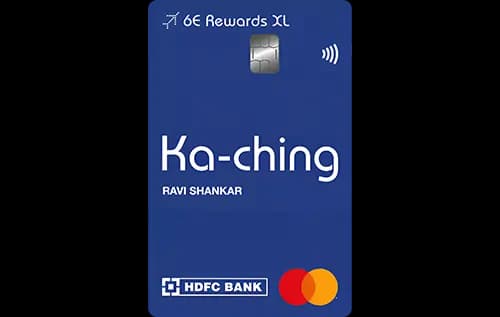
- The 6E Rewards XL IndiGo HDFC Bank Credit Cardⓘ wins for everyday spend with a higher base reward rate of 1% versus SBI Card Pulse’s 0.5%.
- For travel and lounges, SBI Card Pulse offers more premium benefits including Priority Pass membership and complimentary lounge visits, making it the better travel companion.
- The 6E Rewards XL IndiGo HDFC Bank Credit Cardⓘ is slightly cheaper to hold if you do not meet SBI Pulse’s high fee waiver threshold of Rs 2 lakh annually.
- Choose the 6E Rewards XL IndiGo card if you prioritize travel rewards on IndiGo and everyday returns; pick SBI Card Pulse if you want richer lifestyle perks and can meet the waiver spend.
Side by Side
| Detail | 6E Rewards XL IndiGo HDFC Bank Credit Card ⓘ | SBI Card Pulse Credit Card ⓘ |
|---|---|---|
| Annual fee | Rs 1,500 | Rs 1,499 |
| Joining fee | Rs 1,500 | Rs 1,499 |
| Fee waiver on spend | None | Rs 2.00 lakh |
| Reward rate | 1% base, 5% travel, 2.5% dining, grocery | 0.5% base, 2.5% dining, utilities |
| Reward type | points | points |
| Domestic lounge | 8 per year | 8 per year |
| International lounge | None | None |
| Forex markup | 3.5% | 3.5% |
| Best suited for | travel, lounge, rewards, fuel | lounge, dining, rewards, travel, shopping |
Rewards Compared
Spending Rs 10,000 on the 6E Rewards XL IndiGo HDFC Bank Credit Cardⓘ earns Rs 100 back at the base rate. This card shines with category bonuses, delivering Rs 500 back on travel spend, Rs 250 on dining, and Rs 250 on groceries per Rs 10,000 spent. These elevated category rates make it a lucrative option for frequent travelers and those who spend heavily on dining and groceries.
In contrast, the SBI Card Pulse Credit Card ⓘ offers Rs 50 back per Rs 10,000 spent at the base rate, which is half that of the IndiGo card. However, it matches the IndiGo card’s 2.5% return on dining and offers the same rate on utilities, a category not covered by the IndiGo card. This makes SBI Pulse appealing for users with significant utility bills and dining expenses, though its lower base rate means less reward on general spending.
Fees Compared
Both cards have nearly identical joining and annual fees: Rs 1,500 for the IndiGo card and Rs 1,499 for SBI Pulse. The key difference lies in the fee waiver. SBI Card Pulse waives the annual fee if you spend Rs 2 lakh annually, which translates to about Rs 16,667 per month. The 6E Rewards XL IndiGo HDFC Bank Credit Cardⓘ does not offer any fee waiver, so the Rs 1,500 annual fee is fixed regardless of spend.
The break-even spend to cover the extra Rs 1 annual fee of the IndiGo card versus SBI Pulse is just Rs 200, thanks to its higher base reward rate. This means if your spending is above Rs 200 compared to SBI Pulse, the IndiGo card’s higher returns justify the slightly higher fee.
Which One Should You Pick
Choose the 6E Rewards XL IndiGo HDFC Bank Credit Cardⓘ if you are a frequent traveler on IndiGo or spend heavily on travel, dining, and groceries. Its higher base reward rate and strong category bonuses deliver better value for everyday spenders who want straightforward rewards and travel benefits without chasing fee waivers. Skip this card if you rarely fly IndiGo or do not spend enough to justify the fixed annual fee.
Opt for the SBI Card Pulse Credit Card ⓘ if you value premium lifestyle perks like the Noise ColorFit Pulse smartwatch welcome gift, complimentary FITPASS PRO and Netmeds memberships, and the Priority Pass lounge access. It suits spenders who can meet the Rs 2 lakh annual spend waiver threshold and want rewards on dining and utilities. Avoid this card if you have low monthly spends or do not intend to use its premium benefits.
Overall, the 6E Rewards XL IndiGo HDFC Bank Credit Cardⓘ is better for straightforward rewards and travel-focused users, while SBI Card Pulse ⓘ appeals more to lifestyle seekers who can maximize its fee waiver and perks.
What to Check Before You Apply
- Confirm how the fee waiver on SBI Card Pulse applies and if your monthly spend consistently meets Rs 16,667.
- Understand redemption options and values for points earned, especially for the IndiGo card’s travel-focused rewards.
- Check the terms on forex markup fees, both cards charge 3.5% on foreign currency transactions.
- Verify the number of lounge visits and whether they fit your travel patterns, especially since SBI Pulse offers Priority Pass membership but only 4 complimentary domestic lounge visits.

Comments
No comments yet
Be the first to share your experience with this card.