Quick Verdict
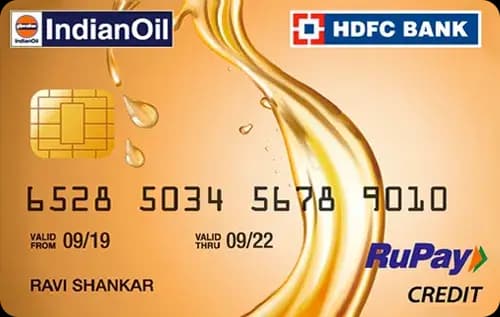
- For everyday spend, especially on fuel and groceries, the Indianoil HDFC Bank Credit Cardⓘ offers a superior reward rate.
- For dining, online shopping, and occasional lounge access, the Standard Chartered Rewards Credit Cardⓘ stands out.
- The Indianoil HDFC card is cheaper to hold if you meet the lower waiver threshold of Rs 50,000 annually versus Rs 1,00,000 for Standard Chartered.
- Choose Indianoil HDFC if you prioritize fuel and grocery rewards or are a first-time cardholder; pick Standard Chartered if you want varied rewards, domestic lounge access, and no joining fee.
Side by Side
| Detail | Indianoil HDFC Bank Credit Cardⓘ | Standard Chartered Rewards Credit Cardⓘ |
|---|---|---|
| Annual fee | Rs 500 | Rs 1,000 |
| Joining fee | Rs 500 | Nil (lifetime free) |
| Fee waiver on spend | Rs 50,000 | Rs 1.00 lakh |
| Reward rate | 1% base | 1% base |
| Reward type | points | points |
| Domestic lounge | None | 4 per year |
| International lounge | None | None |
| Forex markup | 3.5% | 3.5% |
| Best suited for | fuel, first-card, upi-rupay | rewards, dining, first-card, shopping, lounge |
Rewards Compared
Spending Rs 10,000 on the Indianoil HDFC Bank Credit Cardⓘ yields Rs 100 in rewards at the base rate of 1%. However, this card shines in fuel and grocery categories, giving an effective 5% return or Rs 500 on Rs 10,000 spent. This makes it highly beneficial for users who spend significantly in these segments. The reward type is points, which accumulate based on spend.
Conversely, the Standard Chartered Rewards Credit Cardⓘ also offers Rs 100 back on Rs 10,000 at the base rate of 1%. It boosts rewards in online shopping and dining categories to 4%, resulting in Rs 400 per Rs 10,000 spent. While it does not match Indianoil’s 5% in fuel or groceries, it provides a broader appeal through dining and online rewards, appealing to users with diverse spending habits.
Fees Compared
The Indianoil HDFC card charges a joining and annual fee of Rs 500 each, but these fees are waived if you spend Rs 50,000 annually, which breaks down to Rs 4,167 per month. This lower waiver threshold makes it easier to avoid fees if you use the card regularly in its reward categories. You need to spend Rs 50,000 at the base reward rate to cover the annual fee cost purely through rewards.
In comparison, the Standard Chartered Rewards card has no joining fee but charges Rs 1,000 annually. The fee is waived only if you spend Rs 1,00,000 annually or Rs 8,333 monthly. This higher waiver bar means infrequent or low spenders may end up paying the fee. To cover this Rs 1,000 fee at the base reward rate, you must spend Rs 1,00,000 annually.
Which One Should You Pick
Pick the Indianoil HDFC Bank Credit Cardⓘ if you are a regular fuel buyer or grocery shopper looking for solid returns in these categories. It is also a great choice for first-time credit card users or those who prefer a low fee waiver threshold. However, this card lacks lounge access or enhanced rewards beyond fuel and groceries, so it may not suit lifestyle spenders.
Choose the Standard Chartered Rewards Credit Cardⓘ if you want a versatile card that rewards dining and online spends well while offering complimentary domestic lounge visits. It fits users who value lifestyle benefits and plan to spend more to waive the fee. It is not ideal if your spend is below Rs 1,00,000 annually or if fuel and groceries dominate your expenses.
In conclusion, the Indianoil HDFC card wins for focused fuel and grocery spenders or those wanting a low-fee entry-level card. The Standard Chartered Rewards card is better for diversified spenders seeking lifestyle benefits and lounge access but at a higher cost. If you rarely spend on dining or online shopping, skip Standard Chartered; if you want lounge visits or no joining fee, avoid Indianoil HDFC.
What to Check Before You Apply
- Confirm the category caps on fuel and grocery rewards for Indianoil HDFC, as higher spends might not earn 5% beyond limits.
- Understand redemption options and point values to ensure rewards translate into meaningful savings.
- Calculate whether your typical monthly spend meets the fee waiver threshold to avoid unexpected fees.
- Note the 3.5% forex markup on both cards, making them costly for frequent international transactions.
- Check which airports and lounges are accessible under the Standard Chartered card’s quarterly lounge visits; the gate availability might be limited.

Comments
No comments yet
Be the first to share your experience with this card.