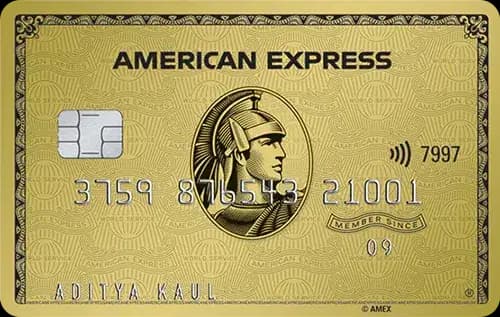
Quick Verdict
- For everyday spend, the HSBC Travelone Credit Cardⓘ wins with a 1% base reward rate compared to 0.5% on the American Express Gold Credit Cardⓘ.
- For travel and lounge access, HSBC Travelone Credit Cardⓘ again leads with both domestic and international lounge visits and a lower forex markup.
- The American Express Gold Credit Cardⓘ is cheaper to hold annually if you do not meet the waiver threshold on HSBC.
- Pick the American Express Gold Credit Cardⓘ if you value dining and shopping discounts and do not travel internationally often. Choose HSBC Travelone Credit Cardⓘ if you travel frequently, want better lounge access, and spend enough to waive fees.
Side by Side
| Detail | American Express Gold Credit Cardⓘ | HSBC Travelone Credit Cardⓘ |
|---|---|---|
| Annual fee | Rs 4,500 | Rs 4,999 |
| Joining fee | Rs 1,000 | Rs 4,999 |
| Fee waiver on spend | Rs 8.00 lakh | |
| Reward rate | 0.5% (base) | 1% (base), 3% on travel/dining |
| Reward type | points | points |
| Domestic lounge | 8 per year | 8 per year |
| International lounge | None | 6 per year |
| Forex markup | 3.5% | 0.99% |
| Best suited for | rewards, travel, shopping | travel, rewards, lounge, forex, shopping |
Rewards Compared
Spending Rs 10,000 on the American Express Gold Credit Cardⓘ earns Rs 50 worth of points at the base rate of 0.5%. This card focuses on lifestyle benefits like dining and shopping discounts but has a modest base reward rate. In contrast, the HSBC Travelone Credit Cardⓘ doubles this with Rs 100 returned per Rs 10,000 spent at 1% base rate. It further enhances rewards to Rs 300 per Rs 10,000 when spending on travel or dining categories, making it more lucrative for those specific expenses.
The American Express Gold Credit Cardⓘ does not specify category bonuses, so rewards are steady but lower. HSBC’s higher category rates cater well to travellers and diners who can accelerate rewards. Both earn points rather than cashback, but HSBC’s superior rates and bonus categories clearly favor travel and dining spends.
Fees Compared
The American Express Gold Credit Cardⓘ charges Rs 1,000 joining fee and Rs 4,500 annual fee with no waiver. The HSBC Travelone Credit Cardⓘ is more expensive upfront and annually at Rs 4,999 each but offers a fee waiver if you spend Rs 8 lakh annually, equivalent to Rs 66,667 monthly. The break-even spend for HSBC to cover the difference in reward rates compared to Amex is about Rs 99,800, meaning HSBC’s higher rewards start to pay off beyond that spend.
If you do not meet HSBC’s high waiver threshold, the Amex Gold card is cheaper to hold. However, HSBC’s lower forex markup (0.99% versus 3.5%) also saves significant cost for foreign currency spenders, which the Amex card does not.
Which One Should You Pick
Choose the American Express Gold Credit Cardⓘ if you seek a card with solid lifestyle perks like dining and shopping discounts, along with domestic lounge access, and you primarily spend within India without reaching very high annual spend thresholds. It suits shoppers and occasional travellers who want a straightforward rewards card with some premium benefits.
Opt for the HSBC Travelone Credit Cardⓘ if you are a frequent traveller or diner who can utilize the higher category reward rates and extensive lounge access including international lounges. It is ideal for those who can meet the Rs 8 lakh spend waiver and benefit from a much lower forex markup, making it a better choice for foreign travel and spend.
In summary, skip the Amex Gold card if you travel internationally often or want better lounge privileges. Conversely, skip the HSBC Travelone card if your spend is below Rs 8 lakh annually or you do not want to pay a high joining fee upfront.
What to Check Before You Apply
- Verify if the category bonuses on HSBC Travelone Credit Cardⓘ apply to all merchants or only select partners.
- Confirm the redemption value of points for both cards to ensure you get good value for your rewards.
- Understand the fee waiver math on HSBC; high monthly spends are required to avoid annual fees.
- Note the forex markup differences carefully if you plan to use the card abroad; HSBC is much cheaper in forex fees.
- Check the list of lounges accessible domestically and internationally to see if they match your travel routes.

Comments
No comments yet
Be the first to share your experience with this card.