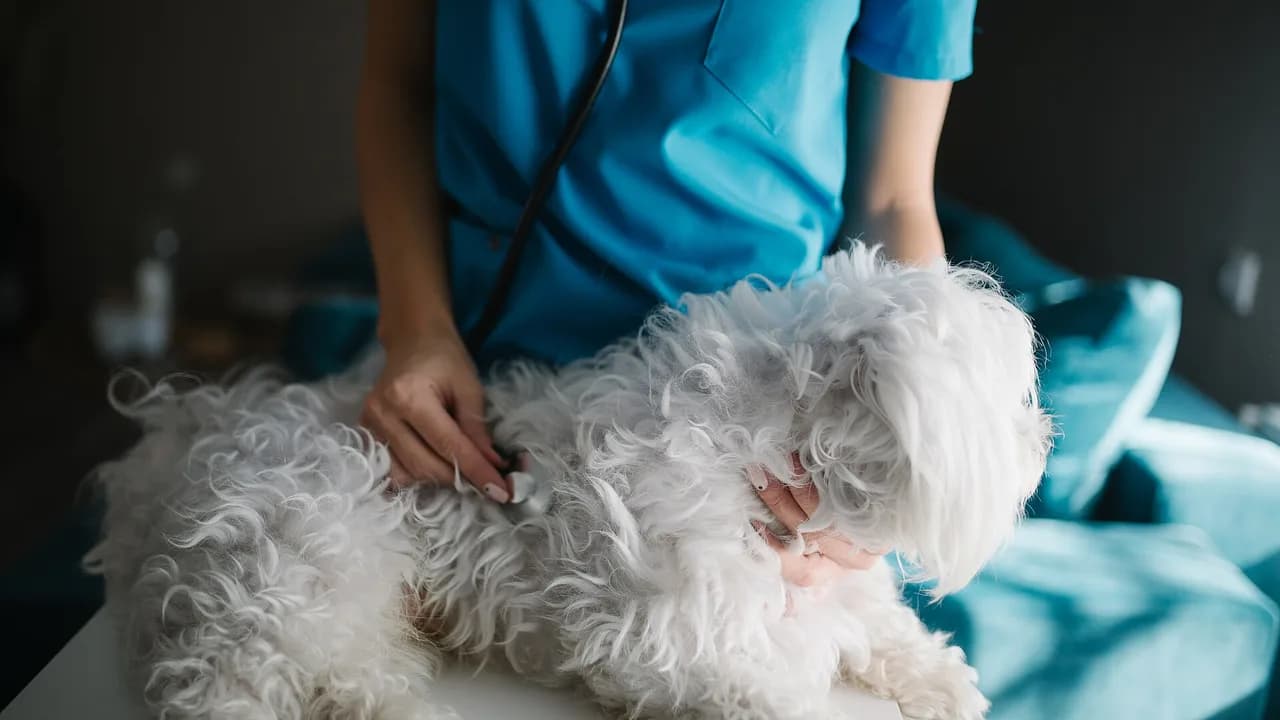
Big Vet Bills on a Credit Card: Surgery Costs, EMI Options and Pet Insurance Claims
Published: 18 October 2026 Category: how-to-guides | cardbuzz
Nobody budgets for the cruciate-ligament surgery. The vet bills that break pet households are not the ₹1,500 consultations — they are the ₹40,000–₹1,50,000 events: fracture repairs, tumour removals, foreign-body surgeries, bloat emergencies, and multi-day ICU hospitalisations. These bills arrive with no notice and a same-day payment expectation, which is precisely the situation credit cards and EMI exist for. This guide covers what the big procedures cost in India, how to finance them without panic, and how insurance claims actually work when the moment comes.
What Major Procedures Cost
Indicative metro ranges, gathered from published veterinary hospital rate cards and owner-reported bills. Costs vary widely by city, hospital tier and case complexity — treat these as planning figures, not quotes:
| Procedure | Indicative range |
|---|---|
| Foreign-body removal surgery | ₹35,000 – ₹70,000 |
| Fracture repair (plating) | ₹45,000 – ₹90,000 |
| Tumour/mass removal | ₹30,000 – ₹80,000 |
| Pyometra emergency surgery | ₹40,000 – ₹75,000 |
| GDV/bloat emergency | ₹60,000 – ₹1,20,000 |
| Cataract surgery (per eye) | ₹50,000 – ₹90,000 |
| ICU hospitalisation (per day) | ₹5,000 – ₹12,000 |
| MRI/CT scan | ₹15,000 – ₹35,000 |
| Chemotherapy (per session) | ₹8,000 – ₹20,000 |
A three-day ICU stay plus surgery routinely totals ₹80,000–₹1,50,000. The first decision — pay now, arrange money later — has to be made in the consultation room, often within the hour.
The Payment Sequence in an Emergency
- Pay the deposit on the card, immediately. Most referral hospitals ask for an advance of ₹20,000–₹50,000 before surgery. Delaying treatment to arrange funds worsens outcomes; the card exists for exactly this. Deposit first, optimise later.
- Ask for an itemised estimate. Hospitals will give one on request: surgery, anaesthesia, hospitalisation days, drugs, diagnostics. The estimate is the basis for both the insurance pre-authorisation (if cashless) and the EMI conversion afterwards.
- File the insurance intimation the same day. Most pet policies require intimation within 24–48 hours of hospitalisation. Missing the window is the commonest reason valid claims die. Call the insurer from the hospital waiting room.
- Convert to EMI after discharge, once the final bill is known — not before, because the final number always exceeds the estimate.
Financing: Post-Purchase EMI vs Personal Loan
For a ₹90,000 final bill, the realistic options:
| Option | Typical cost | Timeline |
|---|---|---|
| Pay in full on card, clear in the billing cycle | ₹0 interest | 15–50 days |
| Post-purchase EMI, 6 months at ~15% p.a. + 1–2% processing fee + 18% GST on both | ≈ ₹5,500–₹7,500 all-in cost | 6 months |
| Post-purchase EMI, 12 months | ≈ ₹9,000–₹12,000 all-in cost | 12 months |
| Personal loan top-up | 11–16% p.a., slower disbursal | days |
The worked example: a ₹90,000 bill on 6-month post-purchase EMI at 15% p.a. with a 1.5% processing fee (₹1,350 + ₹243 GST). Monthly instalment ≈ ₹15,662; total repaid ≈ ₹93,972; all-in cost over cash ≈ ₹5,565. That is the price of spreading a shock over half a year — reasonable, provided it is a one-off and not the start of revolving the pet's medical history on credit.
The rule: if the bill is under one month's comfortable surplus, pay in full and move on. If it genuinely exceeds that, take the shortest EMI tenure the budget allows. Never revolve a vet bill at the card's standard revolving rate (3–3.5% per month) when a structured EMI at ~1.1–1.25% per month exists for the asking.
How Pet Insurance Claims Actually Work
The Indian pet-insurance claim process has three failure points, and all three are paperwork:
- Intimation window. 24–48 hours from the event. Late intimation is the top claim killer.
- Pre-existing conditions. Anything in the vet record before the policy start date — or during the initial 30-day waiting period — is excluded. This is why the day-one purchase (covered in this batch's first article) matters more than the policy's headline sum insured.
- Documentation. Insurers want the vet's clinical notes, itemised bills, diagnostic reports and discharge summary, all matching on dates and diagnosis. Collect them at discharge, not weeks later when the file has gone cold.
Cashless versus reimbursement is the structural question. A cashless empanelled hospital bills the insurer directly; a reimbursement policy means the owner floats the full ₹90,000 and waits 15–30 days for the cheque. For owners without a deep buffer, the cashless network is worth more than a higher sum insured — verify empanelment in the owner's city before buying, and re-verify at renewal.
Also note the deductible and co-pay math: a ₹2,000 deductible plus 20% co-pay on a ₹50,000 claim returns ₹38,400, not ₹50,000. Run the real numbers against the premium before deciding a policy is "worth it" — the honest answer for a young healthy indie dog is often that insurance is cheap peace of mind, while for a 9-year-old large breed with exclusions, self-insuring a dedicated buffer may beat the premium.
The Card Angle, Summarised
Big vet bills are high-value, infrequent, and time-critical — the ideal profile for a rewards card: pay the full bill on the best-earning card available, claim insurance in parallel, and convert only the unreimbursed remainder to EMI if cash flow demands it. The rewards on a ₹1,00,000 surgery at 2% are ₹2,000 — a small consolation, but one that costs nothing to collect. The expensive mistakes are all avoidable: late insurance intimation, revolving instead of EMI-converting, and financing the bill before knowing the final number. In an emergency, sequence beats cleverness — deposit, documents, discharge, then decide.



Comments
No comments yet
Be the first to share your experience with this card.