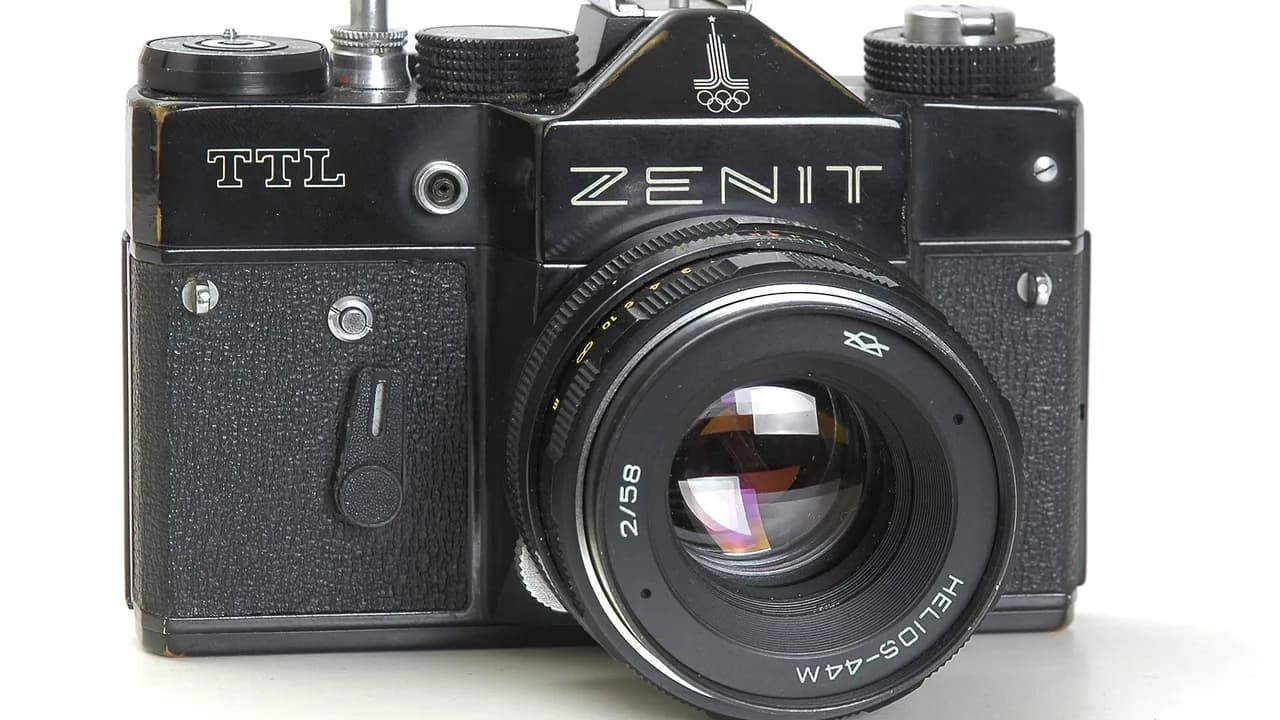
Camera and studio upgrades: the upgrade-path EMI plan for creator gear
Published: 21 October 2026
Category: buying-guides | cardbuzz
Tags: creator gear, camera upgrades, studio setup, no-cost EMI, credit card EMI, equipment financing
Every creator knows the feeling. Your channel is growing, the comments keep asking about your setup, and you are shooting on a camera that was perfect two years ago but now struggles in low light, crops your 4K, and makes your audio sound like a phone call from 2009. The upgrade itch is real, and so is the price tag: a camera body, a lens or two, lighting, a microphone, and suddenly you are looking at a number with five or six digits that your monthly AdSense payout cannot cover in one go.
Gear upgrades are the defining capital expense of a creator's career, and how you finance them matters as much as what you buy. Pay cash and you drain the buffer that keeps your cards healthy. Put the whole thing on the card and pay minimums and you finance a camera at the steepest rate in the building. The middle path — a planned upgrade path, financed deliberately, usually through structured EMIs — lets the gear pay for itself out of the revenue it generates. This guide lays out that plan.
Plan the upgrade path before you buy anything
The mistake most creators make is buying gear as a series of emergencies: the mic dies, so you buy a mic; the camera feels old, so you finance a body at whatever terms the store offers. An upgrade path replaces emergencies with a sequence. Write down where your production actually bottlenecks, in order, and buy in that order.
For most creators the order is surprisingly consistent. Audio first: viewers forgive mediocre video far more readily than they forgive bad audio, and a good microphone or recorder is also the cheapest meaningful upgrade you can make. Then lighting: it flatters every camera you will ever own, it never becomes obsolete the way camera bodies do, and it is a fraction of the cost. Then the camera body and lenses, which are the expensive part. Then the editing workstation and storage, because 4K footage eats laptops and hard drives for breakfast. Accessories — tripods, gimbals, backdrops — fill in last, bought opportunistically.
This sequence matters for financing because it spreads the spending across time. Buying the mic and lights in one quarter, the camera in the next, and the workstation later means each purchase can be cleared or structured before the next one arrives, instead of stacking three EMIs on top of each other. It also matches spending to proof: the audio upgrade improves retention, which grows revenue, which funds the camera. Let each upgrade earn the next one.
Set a gear budget as a share of creator income — many full-time creators work with roughly a tenth to a fifth of monthly revenue earmarked for equipment, adjusted for growth phases. During a deliberate upgrade quarter, that share can rise; the discipline is in bringing it back down afterwards, not in pretending the number does not exist.
Understand the EMI options before the store sells you one
When you are ready to buy, you will typically face three financing flavours, and they are not equal. The first is the card issuer's EMI conversion: you buy on the credit card, then convert the transaction to EMIs through the issuer's app or customer care. Tenures usually run from three to twenty-four months, and the interest rate depends on your card and profile — always check the effective rate and the processing fee before converting, because "easy EMI" marketing sometimes hides a meaningful cost. The second is the merchant's no-cost EMI at checkout: the store advertises zero interest, and the cost is typically absorbed through a discount structure or bundled into the price. Genuine no-cost EMI is excellent value when it is real — verify by comparing the EMI total against the outright cash price from another seller. If the "no-cost" total is higher than the cash price elsewhere, the cost is in the price, not the interest. The third is a personal loan or consumer-durable loan from a bank or NBFC: usually a fixed tenure with a stated rate, sometimes cheaper than card EMIs for large amounts, sometimes not — compare the total outflow, not the monthly figure.
Whichever route you take, run the same three checks. First, the total cost: multiply the monthly instalment by the number of months and add every fee, then compare it to the cash price. That difference is the true price of financing. Second, the monthly fit: the instalment should sit comfortably inside your gear budget, with room for the months when brand payments run late. If the EMI only works when every client pays on time, it does not work. Third, the tenure discipline: match the tenure to the gear's earning life, not to the smallest monthly number. A camera that will drive revenue for three years can reasonably carry a twelve-month EMI; stretching it to twenty-four months to shave the monthly figure usually costs more in total and keeps the debt hanging around long after the excitement fades.
One caution on stacking: each EMI is a fixed monthly commitment that the credit system treats as an obligation. Two or three gear EMIs running simultaneously can quietly push your fixed commitments past what a lumpy creator income can support in a bad quarter. One active gear EMI at a time is a sensible rule for most creators; break it only with a clear plan for clearing the older one early.
Use the card's interest-free window as a planning tool
The credit card's interest-free period — typically up to around 45 to 50 days between purchase and the due date, depending on where the purchase falls in your billing cycle — is a legitimate planning tool for gear, not just a convenience. Time a purchase for just after your statement date and you get the maximum window: buy, shoot, post, and let the content start earning before the bill is even due. Time it just before the statement date and you get barely two weeks.
This matters most for the smaller upgrades — the mic, the lights, the hard drive — where the full amount can be cleared in one statement cycle. Buying those on the card, inside the interest-free window, and paying in full is effectively a free short-term loan that also earns whatever rewards your card offers on electronics or online spending. Check your card's reward categories before you buy: some cards treat electronics retailers or specific shopping portals more generously than others, and a large planned purchase is the moment when category bonuses actually move the needle.
For the big purchases, the interest-free window still helps at the margins. If you are converting to EMI anyway, buying early in the cycle can give you one extra month of breathing room before the first instalment hits. And if you are deciding between paying cash and financing, remember that the window lets you hold your cash — your buffer — for an extra cycle while the gear starts working. The buffer stays intact, the gear starts earning, and the financing cost is contained.
Buy the right tier, not the flagship
Gear marketing is designed to make you feel that anything less than the flagship is a compromise your audience will notice. Your audience will not notice. They notice lighting, audio, framing, and whether the content is interesting. The price-performance curve in cameras, microphones, and lighting is steep at the bottom and flat at the top: the jump from a basic setup to a solid mid-range setup transforms your production; the jump from mid-range to flagship is visible mostly to other gear enthusiasts.
Buying one tier below flagship typically saves a third to half of the price while sacrificing almost nothing your viewers can perceive. That saving is not just money kept — it is a smaller EMI, a shorter tenure, or the difference between financing and paying outright. The used and refurbished market deserves a look too, particularly for lenses and lighting, which degrade slowly: a previous-generation lens bought from a reputable seller often delivers ninety per cent of the current model's performance at half the price.
Resist the bundle trap. Stores love selling the camera with the kit lens, the bag, the tripod, and the memory card in one financed package, and the bundle price usually includes items you would never have chosen separately. Price each component individually, buy only what your upgrade path calls for, and finance only that. The bag can wait.
Make the gear pay for itself, on paper
The final discipline is the one that separates a business expense from an expensive hobby: track whether the upgrade earns its keep. This does not require elaborate accounting. Note the purchase price and the financing cost, then watch two numbers over the following quarters: whether your content output increased (more videos, better quality, faster turnaround) and whether your revenue followed. If a camera upgrade lets you take on brand shoots you previously turned down, the payback is direct. If an editing workstation halves your turnaround time and doubles your upload frequency, the payback runs through ad revenue and growth.
Set a review point — say, six months after a major purchase — and ask honestly whether the gear changed your economics. If it did, the next upgrade in the path is justified. If it did not, the lesson is not that gear is useless but that the bottleneck was elsewhere: maybe the constraint was scripting, or consistency, or thumbnail quality, none of which a new camera fixes. Creators who run this review stop buying cameras to solve content problems, which is the most expensive mistake in the upgrade cycle.
And when the EMI ends, do not let the freed-up instalment evaporate into lifestyle spending. Redirect it — to the gear fund for the next upgrade in the path, to the payment buffer, or to clearing any other balance. An EMI that ends should make your finances stronger, not just your month easier. That is the whole point of the plan: each upgrade leaves you better equipped and better funded than the last.
Key takeaways
- Sequence upgrades by production bottleneck — audio, then lighting, then camera body and lenses, then the workstation — and let each upgrade's revenue fund the next.
- Compare financing routes by total cost, not monthly instalment: card EMI conversion, merchant no-cost EMI (verified against cash prices), and consumer-durable loans each suit different purchases.
- Keep one active gear EMI at a time as a default rule, and match tenure to the gear's earning life rather than stretching for the smallest monthly figure.
- Time purchases early in the billing cycle to maximise the interest-free window, and clear smaller upgrades within a single statement.
- Buy one tier below flagship and consider reputable used lenses and lighting; skip bundle items your upgrade path does not call for.
- Review each major purchase after about six months against output and revenue, and redirect finished EMIs into the gear fund or buffer.

Comments
No comments yet
Be the first to share your experience with this card.