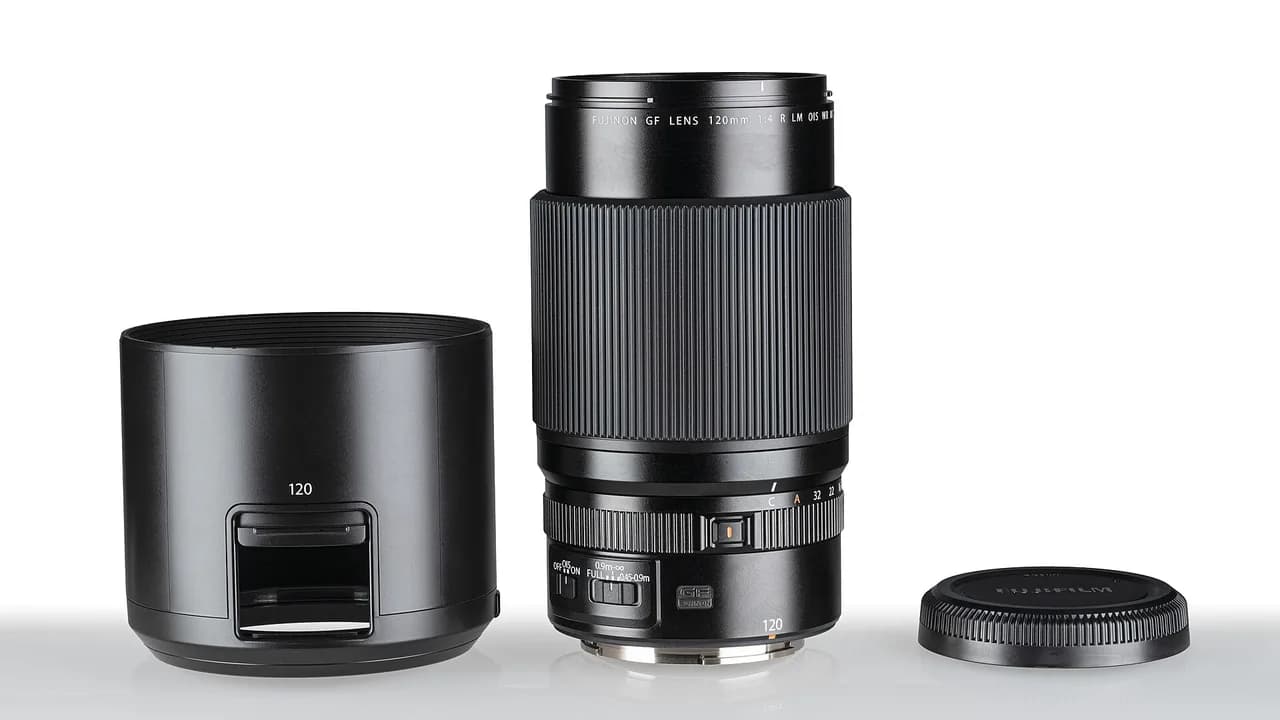
Camera Gear for Trips: How Credit Cards Protect Big-Ticket Purchases
Published: 18 October 2026 Category: buying-guides | cardbuzz
A mirrorless camera body plus one lens can easily cross ₹80,000–₹1,50,000 — the single most expensive item many travellers ever buy for a trip. At that ticket size, the credit card is not just a payment method; it is a protection instrument. Used correctly, it adds warranty extensions, theft and damage cover, and chargeback rights that cash or debit simply do not provide.
Extended warranty: the quiet benefit
Several premium Indian credit cards offer extended warranty as a bundled benefit: when an eligible product bought with the card carries a manufacturer's warranty, the card extends it — commonly by up to 12 additional months, subject to caps. On a ₹1,00,000 camera with a one-year manufacturer warranty, that is a second year of cover for free. The mechanics matter:
- The purchase must be charged in full to the eligible card — split payments can void the benefit.
- Registration is usually required within a window after purchase (often 30–90 days); it is not automatic.
- Caps apply per claim and per year, so a ₹1,50,000 body may be covered only up to the card's stated limit.
Not all cards offer this, and terms change — the card's benefits guide is the authority, not the marketing page.
Purchase protection for the trip itself
Camera gear travels, which means it gets dropped, rained on and occasionally stolen. Card-linked purchase protection typically covers eligible items against theft and accidental damage for 90 days from purchase. A camera bought a month before a trip is therefore covered during the early part of the journey. After the 90-day window, standalone camera or gadget insurance takes over — and for gear that costs six figures, a dedicated policy is worth pricing.
The chargeback safety net
Buying camera gear online — grey-market sellers, marketplace third-party sellers, international stores — carries fraud risk. Credit cards provide chargeback rights: if the goods never arrive or arrive counterfeit, the buyer can dispute the transaction through the issuer. This is a meaningful advantage over UPI or debit for high-value electronics bought from unfamiliar sellers. The dispute window is typically 120 days from the transaction, and the buyer needs order confirmations and delivery records.
Paying for ₹1,00,000+ of gear: EMI or full payment?
At this ticket size the EMI question is real. An illustrative comparison on a ₹1,20,000 camera kit:
| Option | Interest/fees (illustrative) | Rewards | Protection eligibility |
|---|---|---|---|
| Full payment | Nil | Full rewards on ₹1,20,000 | Extended warranty + purchase protection intact |
| No-cost EMI × 12 | Nil (genuine no-cost) | Check: some cards exclude EMI from rewards | Usually intact, but confirm |
| Standard EMI × 12 at ~16% p.a. | ≈ ₹10,600 interest | Usually reduced or zero | Intact |
Interest figures are illustrative and vary by bank. The key insight: EMI conversion can cost the reward points on some cards — on a ₹1,20,000 purchase, forfeited rewards at even 2% are ₹2,400 of value left on the table. If cash flow allows full payment, it is usually the cheapest all-in route; if EMI is needed, no-cost EMI with rewards intact is the target, and anything else should be compared rupee-for-rupee.
The pre-trip checklist for camera gear
- Buy on the card with the strongest extended-warranty and purchase-protection terms.
- Register the extended warranty within the required window.
- Save the invoice, the card statement line, and the serial numbers in one folder.
- Price a standalone gadget policy for after the 90-day purchase-protection window.
A camera is bought for a decade of trips. The card used at checkout decides how many of those trips are covered.


Comments
No comments yet
Be the first to share your experience with this card.