Diamond and Polki Jewellery for Weddings: Making Charges, Certification and Insurance
Published: 18 October 2026 Category: buying-guides | cardbuzz
Gold gets the headlines, but the modern Indian bridal trousseau increasingly centres on diamonds and polki (uncut diamonds) — and these are far less standardised purchases than gold. A gold coin's price is arithmetic; a solitaire's price is judgement. With bridal diamond sets running ₹2 lakh–₹25 lakh+ and polki sets ₹3 lakh–₹30 lakh+, the difference between an informed buyer and a trusting one is measured in lakhs.
Diamonds: The 4Cs and the Indian Markup
| Factor | What to know |
|---|---|
| Cut, colour, clarity, carat | Price is set by the combination; insist on the grading report for stones above 0.3 carats |
| Certification | IGI and GIA are the credible labs in India; "in-house certified" is not certification |
| Making charges | 8–20% on diamond jewellery (vs 8–15% typical on gold); negotiate the percentage, not just the total |
| Buyback terms | Reputable jewellers offer 90–100% buyback on the diamond value; get the policy in writing |
The key structural fact: diamonds have poor resale liquidity compared to gold. A diamond bought at retail typically resells at 60–80% of purchase price even with buyback policies, because the retail price embeds making charges and margins that the secondary market does not recognise. Buy diamonds to wear for decades, not as an investment — anyone selling "diamond investment" is selling jewellery with a story.
Polki: The Uncut Market
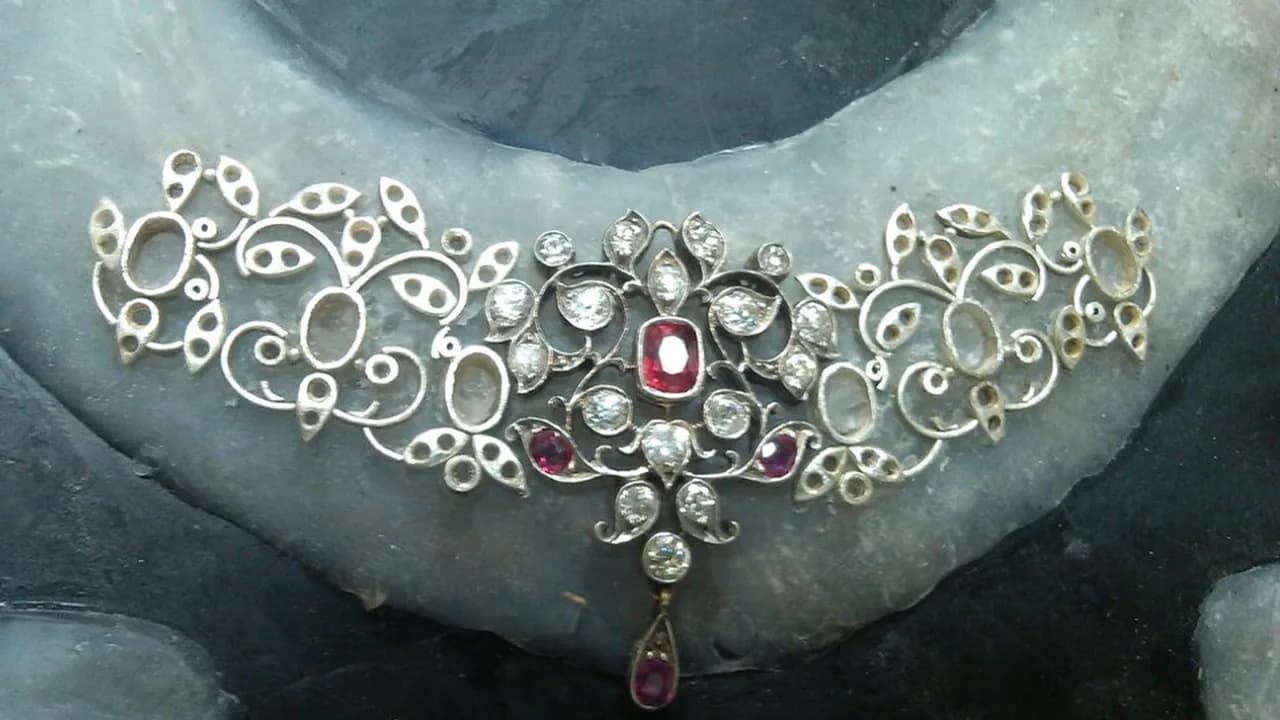
Polki (uncut, unpolished diamonds set in gold, often with enamel work) is the traditional bridal choice experiencing a strong revival. Pricing is even more opaque than cut diamonds: value lies in the size and quality of the uncut stones, the gold weight, and the craftsmanship of the setting. Rules: buy only from jewellers with a long polki track record (the setting skill is specialised), get the gold weight and stone weight separately itemised on the bill (BIS hallmarking covers the gold; the stones need the jeweller's written specification), and understand that polki's resale is the weakest of all — it is pure consumption, priced accordingly.
The Bill: What Must Be Itemised
An honest jewellery bill separates: gold weight × rate, stone weight and specification, making charges (per gram or percentage), GST (3% on the total value — a significant line on a ₹10 lakh purchase: ₹30,000), and any ongoing scheme adjustments. Bills that show only a lump sum are unacceptable at these ticket sizes. Photograph every piece against the bill's item number — this is the insurance documentation.
Insurance: The Overlooked Necessity
A ₹15 lakh bridal set worn across multiple functions, transported between cities, and stored at home afterwards needs insurance. Options:
- Jewellery floater on home insurance: typically 1–2% of insured value per year; covers theft at home and often outside with conditions.
- Standalone jewellery insurance: available from several insurers, similar pricing, sometimes broader transit cover.
- Bank locker + transit discipline: the free risk control — pieces travel in person, never in checked luggage, and live in the locker between functions.
At 1.5% a year, insuring a ₹15 lakh set costs ₹22,500 annually — against a total-loss risk that is small but catastrophic. For the wedding month specifically, confirm the policy covers transit and wear outside the home; several do only with an explicit all-risks endorsement.
Paying: The Largest Card Transaction Most Families Ever Make
Jewellery purchases of ₹5–₹30 lakh are the ultimate card-spend event — and jewellers know it. The dynamics:
- Card surcharges of 1–2% are common on jewellery (MDR on large tickets). A 1% surcharge on ₹15 lakh is ₹15,000 — compare against the card's earn and any milestone benefit the transaction triggers. Often the milestone (fee waiver, tier qualification) is worth more than the surcharge costs.
- Never pay 100% in cash regardless of the "cash discount" offered. The discount (typically 1–3%) rarely exceeds the value of the transaction record, and large cash jewellery purchases carry tax-scrutiny implications for both sides.
- BIS hallmark + GST bill are non-negotiable. No bill, no purchase — at any discount.
The Judgement
Diamond and polki buying rewards the boring virtues: certification demanded, bill itemised, buyback in writing, insurance bound before the first function. The glamour is in the stones; the money is in the paperwork. And the payment — the year's largest — belongs on the card where it earns most, surcharge-adjusted, with the GST bill filed where it can be found for the next thirty years.


Comments
No comments yet
Be the first to share your experience with this card.