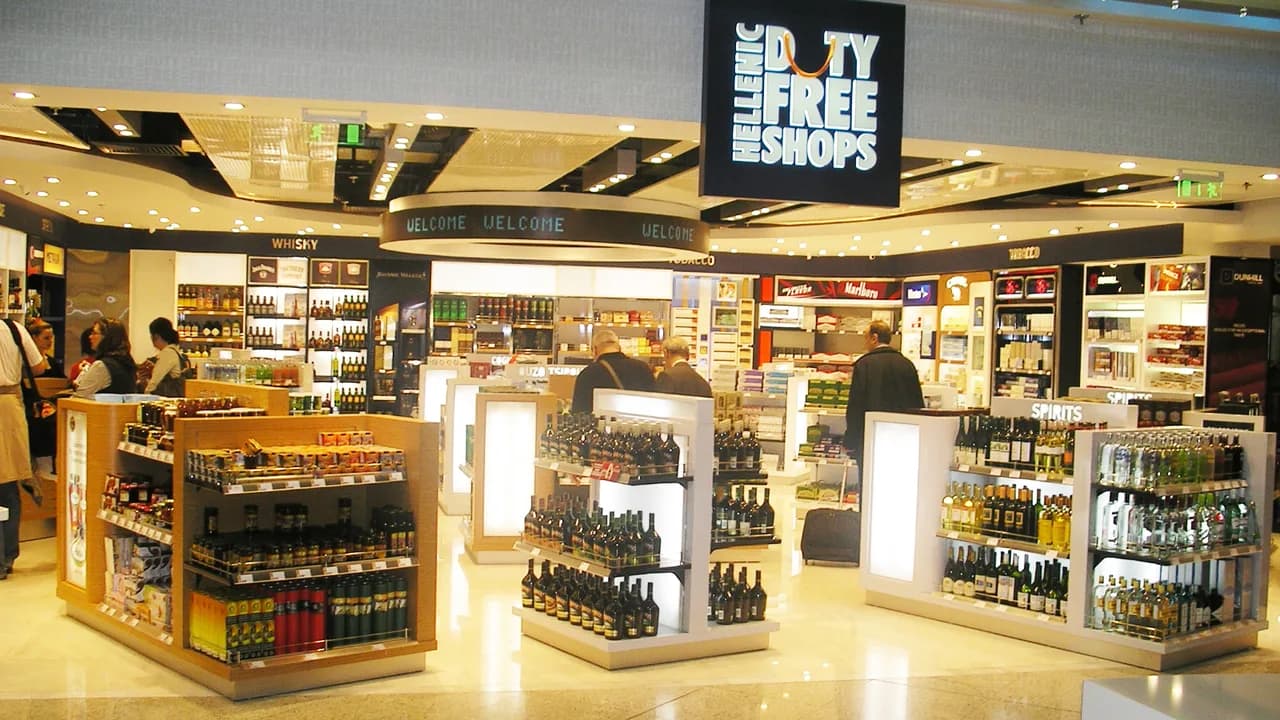
Duty-Free Shopping at Indian Airports: The Reward Math on Foreign-Currency Spends
Published: 18 October 2026 Category: buying-guides | cardbuzz
Duty-free stores at Indian international airports — Delhi, Mumbai, Bengaluru, Hyderabad and the rest — sell liquor, perfumes, chocolates and electronics in foreign currency (usually USD) with customs duty waived. The headline prices look attractive. Whether they are genuinely good value depends on two things buyers rarely combine: the actual price versus the Indian MRP, and the credit card maths on a foreign-currency transaction.
The price question first
Duty-free is not uniformly cheaper. Perfumes and premium liquor are often meaningfully cheaper than Indian retail; chocolates and small electronics sometimes match or exceed marketplace prices once the exchange rate is applied. The discipline is to check the Indian online price of the exact SKU before the trip — a 30-second search at home beats squinting at a shelf tag under boarding-call pressure. Duty-free also carries a real constraint: the customs duty-free allowance (currently ₹50,000 for most returning Indian passengers, with quantity limits on liquor and cigarettes). Spends beyond the allowance attract duty that wipes out the saving.
The card maths: markup versus rewards
Duty-free billing in USD means the credit card applies its forex markup. On a typical Indian card with a 3.5% markup, a US$100 purchase at an interbank rate of about ₹83 costs roughly ₹8,591 billed; on a zero-forex card, roughly ₹8,300. The markup alone — about ₹291 on this illustrative example — can erase a thin duty-free discount.
The rewards side can claw some of it back. Many Indian cards earn accelerated rewards on international or travel-category spends, and some premium travel cards are designed precisely for foreign-currency transactions: zero or low markup plus meaningful reward accrual. The right card for duty-free is therefore usually the traveller's dedicated international-spend card, not the domestic cashback card. An illustrative comparison:
| Card profile | US$100 bill (≈ ₹8,300) | Markup cost | Rewards (illustrative 2%) | Net position |
|---|---|---|---|---|
| Zero-forex travel card | ₹8,300 | ~₹0 | ≈ ₹166 | Best |
| Standard card, 3.5% markup, base rewards | ≈ ₹8,591 | ≈ ₹291 | ≈ ₹83 | Loses ~₹208 vs the above |
| Debit card abroad | ≈ ₹8,591 + possible fees | ≈ ₹291+ | ~Nil | Worst |
These are illustrative figures; exact markups and reward rates vary by card.
Pre-trip price research: the 10-minute routine
The highest-value duty-free habit is done at home, not at the airport. Before departure, list the 3–4 items actually worth considering (the perfume that is finished, the bottle for a gift, the headphones upgrade), note their Indian online prices, and convert the duty-free shelf price mentally at a round rate. Anything without a clear saving versus the Indian price stays on the shelf. Impulse duty-free buying — the chocolates grabbed at the gate — is where the "saving" narrative quietly dies, because those items were never on the shopping list and their Indian price was never checked.
Practical duty-free tactics
- Use the low-markup card for the whole duty-free run. Splitting payment across cards multiplies nothing and complicates the statement.
- Pre-order where the airport offers it. Several Indian airports run duty-free pre-order portals with home-delivery-at-arrival or pick-up counters, and pre-orders sometimes carry extra discounts over walk-in prices.
- Watch the dynamic currency conversion trap. If the terminal offers to bill in INR "for convenience", decline it — the store's conversion rate is almost always worse than the card network's rate plus the card's markup.
- Keep receipts. High-value duty-free electronics bought on a credit card may qualify for the card's purchase protection — the receipt plus the card statement is the claim backbone.
Duty-free is a genuine saving on the right SKUs with the right card, and a mirage with the wrong one. The thirty seconds spent checking the Indian price and choosing the card decide which.


Comments
No comments yet
Be the first to share your experience with this card.