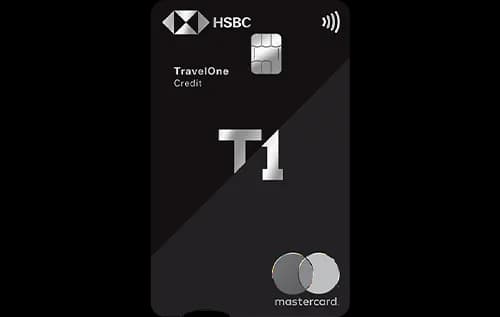
Quick Verdict
- The Mayura Credit Card ⓘ wins for everyday spend with a higher base reward rate of 1.5% versus 1% on the HSBC Travelone Credit Card ⓘ.
- For travel and lounge access, the HSBC Travelone Credit Card ⓘ offers a solid suite of benefits including 8 domestic and 6 international lounge visits, making it ideal for frequent flyers.
- The HSBC Travelone Credit Card ⓘ is cheaper to hold if you spend above Rs 8 lakh annually to waive fees; otherwise, the Mayura Credit Card ⓘ has a higher fee but a better base reward rate.
- Pick the HSBC Travelone Credit Card ⓘ if you prioritize premium travel benefits and lower forex markup; choose the Mayura Credit Card ⓘ if you want better rewards on daily spend and unlimited domestic lounge access.
Side by Side
| Detail | HSBC Travelone Credit Card ⓘ | Mayura Credit Card ⓘ |
|---|---|---|
| Annual fee | Rs 4,999 | Rs 5,999 |
| Joining fee | Rs 4,999 | Rs 5,999 |
| Fee waiver on spend | Rs 8.00 lakh | Not recorded |
| Reward rate | 1% base, 3% travel & dining | 1.5% base, 3% dining, travel & online |
| Reward type | points | points |
| Domestic lounge | 8 per year | Unlimited |
| International lounge | 6 per year | 8 per year |
| Forex markup | 0.99% | 1.5% |
| Best suited for | travel, rewards, lounge, forex, shopping | premium, travel, lounge, rewards, forex, shopping |
Rewards Compared
Spending Rs 10,000 on the HSBC Travelone Credit Card ⓘ earns Rs 100 in rewards at the base rate, with elevated returns of Rs 300 when spent on travel or dining categories. This means the card is designed to reward travel and dining expenses generously, tripling the base return in these areas.
In contrast, the Mayura Credit Card ⓘ offers a higher base return of Rs 150 per Rs 10,000 spent, making it more rewarding for everyday purchases. It also matches the Travelone’s 3% category return of Rs 300 on dining, travel, and adds online spending to this premium category, broadening the scope for higher rewards. For users whose spend is spread across these categories, the Mayura card offers superior reward potential.
Fees Compared
The HSBC Travelone Credit Card ⓘ comes with a joining and annual fee of Rs 4,999 each, which can be waived if you spend Rs 8 lakh annually, equating to about Rs 66,667 per month. The break-even spend to cover the fee at the base reward rate is approximately Rs 5 lakh.
The Mayura Credit Card ⓘ charges a higher joining and annual fee of Rs 5,999 each, with no specified fee waiver threshold. However, its higher base reward rate means you need to spend about Rs 4 lakh annually to cover the fee through rewards, which is Rs 1 lakh less than the Travelone card’s break-even spend. This makes the Mayura card more cost-effective for moderate to high spenders who do not meet the Travelone’s waiver criteria.
Which One Should You Pick
Choose the HSBC Travelone Credit Card ⓘ if you are a frequent traveler who values premium lounge access, 8 domestic and 6 international visits, and lower forex markup of 0.99%, which reduces foreign transaction costs significantly. Its benefits like purchase protection and discounts on holiday bookings add to its travel appeal. However, it suits those with a high annual spend of Rs 8 lakh to waive fees and maximize value.
The Mayura Credit Card ⓘ is better suited for premium users who want a higher base reward rate of 1.5%, unlimited domestic lounge access, and rewards extending to online purchases. It is ideal if you spend regularly across dining, travel, and online categories and want to earn more on everyday transactions. The higher forex markup of 1.5% is a consideration if you travel abroad often.
In conclusion, if your priority is travel perks and lower forex costs, pick the HSBC Travelone Credit Card ⓘ. If you want better returns on all spends and unlimited domestic lounge access, the Mayura Credit Card ⓘ is the superior choice. Skip the Travelone if you cannot meet the high waiver spend, and skip the Mayura if forex costs are a major concern.
What to Check Before You Apply
- Confirm the spending caps on reward categories to ensure you can maximize the 3% returns.
- Review redemption options and value for points since both cards use points but may differ in conversion rates.
- Calculate the monthly spend needed to waive fees or break even on rewards to avoid unexpected costs.
- Check forex markup rates carefully if you frequently use your card abroad, as the difference is notable.
- Verify the list of lounges accessible and their locations to ensure convenience during travel.

Comments
No comments yet
Be the first to share your experience with this card.