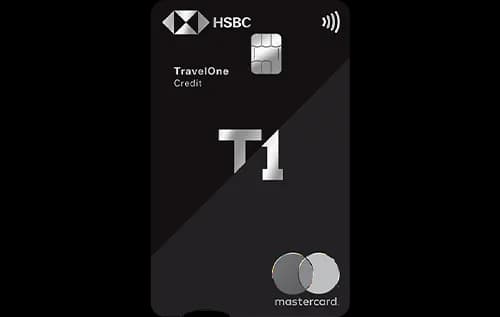
Quick Verdict
- The HSBC Travelone Credit Card ⓘ wins for everyday spend with a higher base reward rate of 1% compared to 0.5% on the Reliance SBI Card Prime ⓘ.
- For travel and lounge benefits, HSBC Travelone ⓘ leads with 6 international lounge visits per year and a lower forex markup of 0.99%, making it better for frequent travellers.
- The Reliance SBI Card Prime ⓘ is cheaper to hold with a lower joining and annual fee of Rs 2,999 versus Rs 4,999 on HSBC Travelone ⓘ, and easier fee waiver threshold.
- Choose HSBC Travelone ⓘ if you travel often and want better rewards on travel and dining. Opt for Reliance SBI Card Prime ⓘ if you are a heavy grocery and online shopper looking for a lower fee card with decent rewards.
Side by Side
| Detail | HSBC Travelone Credit Card ⓘ | Reliance SBI Card Prime ⓘ |
|---|---|---|
| Annual fee | Rs 4,999 | Rs 2,999 |
| Joining fee | Rs 4,999 | Rs 2,999 |
| Fee waiver on spend | Rs 8.00 lakh | Rs 3.00 lakh |
| Reward rate | 1% base | 0.5% base |
| Reward type | points | points |
| Domestic lounge | 8 per year | 8 per year |
| International lounge | 6 per year | 4 per year |
| Forex markup | 0.99% | 3.5% |
| Best suited for | travel, rewards, lounge, forex, shopping | shopping, grocery, lounge, rewards |
Rewards Compared
On a Rs 10,000 spend, the HSBC Travelone Credit Card ⓘ earns Rs 100 in rewards at its base rate of 1%. This increases to Rs 300 when spending in travel or dining categories, which is triple the base rate. This makes it a strong contender for users who spend heavily on travel and dining expenses.
In contrast, the Reliance SBI Card Prime ⓘ yields Rs 50 at its base rate of 0.5% on Rs 10,000 spent, which is half that of HSBC Travelone ⓘ. However, it offers Rs 500 in rewards on grocery and online spends, a 5% return that significantly outperforms HSBC Travelone ⓘ in these categories. This card suits those who focus on grocery and online shopping rewards rather than travel.
Fees Compared
The HSBC Travelone Credit Card ⓘ charges a joining and annual fee of Rs 4,999 each year, with a waiver on annual spends of Rs 8.00 lakh. This translates to a monthly spend requirement of about Rs 66,667 to avoid fees. The Reliance SBI Card Prime ⓘ is more affordable, charging Rs 2,999 for both joining and annual fees, with a much lower waiver threshold of Rs 3.00 lakh annually or Rs 25,000 monthly.
The head-to-head comparison shows that HSBC Travelone ⓘ demands Rs 2,000 more in fees annually but offers double the base reward rate. The extra spend needed to cover this fee difference is Rs 4,00,000 annually, meaning only very high spenders will find the HSBC card cost-effective solely on rewards.
Which One Should You Pick
Choose the HSBC Travelone Credit Card ⓘ if you are a frequent traveller who values airport lounge access and low forex markup. The card’s higher rewards on travel and dining, plus premium benefits like purchase protection and reward-to-air-mile conversions, make it ideal for globetrotters and those who spend heavily on travel-related expenses. However, if your monthly spend is below Rs 66,667 or you seldom travel abroad, this card’s fees may outweigh the rewards.
The Reliance SBI Card Prime ⓘ suits shoppers focused on groceries and online purchases who want a lower annual fee and easier waiver threshold. Its strong category rewards and decent lounge access make it a good all-rounder for domestic spenders who want value without a high commitment. Avoid this card if you travel internationally often due to its high forex markup and fewer international lounge visits.
Overall, if your priority is travel and you can meet the high fee waiver spend, the HSBC Travelone Credit Card ⓘ is the better pick. For everyday shopping and moderate spenders, the Reliance SBI Card Prime ⓘ offers better value at a lower cost.
What to Check Before You Apply
- Confirm if the fee waiver threshold matches your realistic monthly spend; HSBC Travelone ⓘ requires Rs 66,667 while Reliance SBI Card Prime ⓘ needs Rs 25,000.
- Check any caps on rewards or lounge visits that might limit your benefits despite high spending.
- Understand the redemption process and value of points, as both cards use points but their redemption options and values may differ.
- Consider forex markup carefully if you travel abroad; HSBC Travelone ⓘ charges 0.99% versus 3.5% on Reliance SBI Card Prime ⓘ.
- Verify which airports and lounges are accessible with each card’s lounge visits to ensure they match your travel routes.

Comments
No comments yet
Be the first to share your experience with this card.