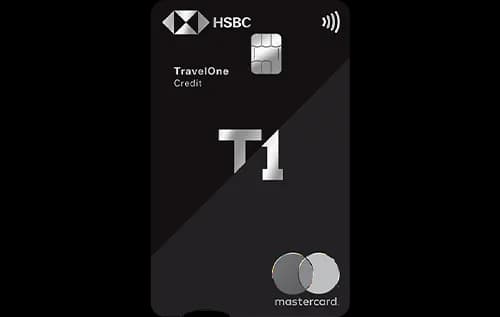
Quick Verdict
- The HSBC Travelone Credit Cardⓘ wins for everyday spend with a higher base reward rate of 1% versus 0.8% on the RBL Bank Icon Credit Cardⓘ.
- For travel and dining categories, the RBL Bank Icon Credit Cardⓘ offers a superior 4% reward rate compared to 3% on the HSBC Travelone Credit Cardⓘ, making it the better choice for category spenders.
- The HSBC Travelone Credit Cardⓘ is cheaper to hold if you can meet the higher waiver spend of Rs 8 lakh annually, while the RBL Bank Icon Credit Cardⓘ has a lower waiver threshold of Rs 3 lakh but a higher forex markup.
- Pick the HSBC Travelone Credit Cardⓘ if you prioritize forex savings, better lounge access, and higher base rewards. Choose the RBL Bank Icon Credit Cardⓘ if you spend heavily on dining and travel categories and want concierge and exclusive event access.
Side by Side
| Detail | HSBC Travelone Credit Cardⓘ | RBL Bank Icon Credit Cardⓘ |
|---|---|---|
| Annual fee | Rs 4,999 | Rs 5,000 |
| Joining fee | Rs 4,999 | Rs 5,000 |
| Fee waiver on spend | Rs 8.00 lakh | Rs 3.00 lakh |
| Reward rate | 1% base, 3% on travel and dining | 0.8% base, 4% on travel and dining |
| Reward type | points | points |
| Domestic lounge | 8 per year | 8 per year |
| International lounge | 6 per year | 4 per year |
| Forex markup | 0.99% | 2% |
| Best suited for | travel, rewards, lounge, forex, shopping | travel, dining, lounge, rewards, shopping |
| Golf access | Yes | Yes |
| Concierge | No | Yes |
Rewards Compared
Spending Rs 10,000 on the HSBC Travelone Credit Cardⓘ earns Rs 100 back at the base rate. For travel and dining categories, this increases to Rs 300 per Rs 10,000 spent, reflecting a 3% reward rate. This card is well-suited for users who want a solid base reward on all spends plus enhanced returns on travel and dining.
In contrast, the RBL Bank Icon Credit Cardⓘ returns Rs 80 per Rs 10,000 at its base rate of 0.8%. However, it offers a higher 4% reward on travel and dining, yielding Rs 400 per Rs 10,000 spent in these categories. This makes it attractive for category-focused spenders who prioritize dining and travel rewards over base returns.
Fees Compared
The HSBC Travelone Credit Cardⓘ and RBL Bank Icon Credit Cardⓘ have nearly identical joining and annual fees, Rs 4,999 versus Rs 5,000 respectively. The HSBC card requires a significantly higher Rs 8 lakh annual spend to waive the fee, which breaks down to about Rs 66,667 per month. The RBL card's fee waiver threshold is much lower at Rs 3 lakh annually or Rs 25,000 monthly, making fee waiver easier for moderate spenders.
Regarding forex costs, the HSBC card charges 0.99% on foreign currency transactions, costing Rs 990 on Rs 1,00,000 abroad. The RBL card charges double at 2%, costing Rs 2,000 for the same spend, making HSBC better for frequent international travelers.
Which One Should You Pick
Choose the HSBC Travelone Credit Cardⓘ if you are a high spender who values a higher base reward rate, excellent forex rates, and generous lounge access including 6 international visits annually. It suits travelers and shoppers who can meet the Rs 8 lakh waiver spend and want premium benefits like golf access and purchase protection.
Opt for the RBL Bank Icon Credit Cardⓘ if your spend is concentrated in dining and travel categories where the 4% rewards shine. Its lower fee waiver threshold and concierge service also appeal to users seeking lifestyle perks and access to exclusive events. However, be mindful of the higher forex markup and fewer international lounge visits.
Skip the HSBC Travelone Credit Cardⓘ if you cannot meet the high waiver spend or do not travel internationally often. Avoid the RBL Bank Icon Credit Cardⓘ if forex costs are a concern or if you prefer a higher base reward rate over category bonuses.
What to Check Before You Apply
- Confirm the quarterly Rs 35,000 spend requirement to unlock domestic lounge access on the RBL Bank Icon Credit Cardⓘ.
- Check redemption options and point expiry policies, as these can impact reward value.
- Calculate if your monthly spend covers the fee waiver thresholds: Rs 66,667 for HSBC Travelone Credit Cardⓘ and Rs 25,000 for RBL Bank Icon Credit Cardⓘ.
- Consider the forex markup if you plan to use the card abroad frequently: 0.99% on HSBC versus 2% on RBL.

Comments
No comments yet
Be the first to share your experience with this card.