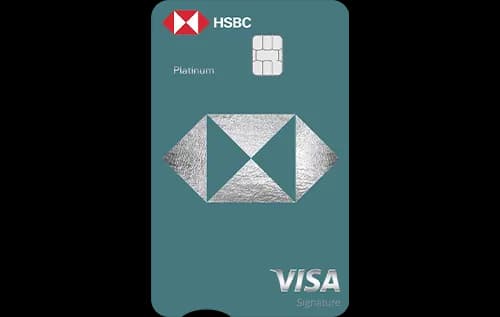
Quick Verdict
- The IDFC HPCL First Power Plus Credit Cardⓘ wins for everyday spend with a slightly higher base reward rate and strong category bonuses in fuel, grocery, and utilities.
- For travel and lounges, the IDFC card also leads by offering 4 domestic lounge accesses per year, whereas the HSBC card provides none.
- The HSBC Visa Platinum Credit Cardⓘ is cheaper to hold as it has no joining or annual fees, making it attractive for low spenders or those avoiding fees.
- Pick the HSBC card if you want a lifetime free card with decent dining rewards and no fees. Opt for the IDFC card if you spend heavily on fuel, groceries, utilities, or value domestic lounge access despite the fees.
Side by Side
| Detail | HSBC Visa Platinum Credit Cardⓘ | IDFC HPCL First Power Plus Credit Cardⓘ |
|---|---|---|
| Annual fee | Nil (lifetime free) | Rs 499 |
| Joining fee | Nil (lifetime free) | Rs 499 |
| Fee waiver on spend | Rs 1.50 lakh annually (Rs 12,500 monthly) | |
| Reward rate | 0.67% base, 2% dining | 0.75% base, 6.5% fuel, 5% grocery & utilities |
| Reward type | points | points |
| Domestic lounge | None | 4 per year (with Rs 20,000 monthly spend gate) |
| International lounge | None | None |
| Forex markup | 3.5% | 3.5% |
| Best suited for | lifetime-free, first-card, dining, shopping | fuel, UPI-RuPay, grocery, lounge |
Rewards Compared
On a Rs 10,000 spend, the HSBC Visa Platinum Credit Cardⓘ returns Rs 67 in rewards at its base rate, which improves to Rs 200 specifically on dining spends due to a 2% category rate. This makes it a modest but consistent performer for dining and shopping, particularly for those who value a fee-free card.
In contrast, the IDFC HPCL First Power Plus Credit Cardⓘ yields Rs 75 at its base rate on the same Rs 10,000 spend, which is already better than HSBC's base returns. More importantly, it offers significantly higher returns in key categories: Rs 650 on fuel (6.5%), and Rs 500 on both grocery and utilities (5% each). These category bonuses make the IDFC card a highly rewarding option for those with targeted spending in these areas, delivering substantially more cashback or points value.
Fees Compared
The HSBC card imposes no joining or annual fees, making it a zero-cost option that never requires spending to waive fees or earn back costs. This is ideal for users who prefer a simple, no-fee card with steady rewards.
The IDFC card charges Rs 499 for joining and Rs 499 annually, but these can be waived by spending Rs 1.50 lakh annually, which breaks down to Rs 12,500 per month. If you spend less than this, you pay the fees outright. The card’s base rewards must cover this Rs 499 annual fee, which requires Rs 66,533 in spend just to break even on base returns alone. Considering the category bonuses, heavy spenders in fuel and groceries will find it easier to justify the fees and gain net rewards well beyond the cost.
Which One Should You Pick
Choose the HSBC Visa Platinum Credit Cardⓘ if you are a first-time cardholder or someone who prefers a no-annual-fee card with reasonable dining rewards and no hassle of fee waivers. It suits light spenders and those who want a simple, lifetime-free option primarily for dining and shopping without lounge needs.
The IDFC HPCL First Power Plus Credit Cardⓘ is best for fuel spenders and those who frequently shop for groceries and pay utilities using their card. It also appeals to users looking for domestic lounge access and who can meet the Rs 12,500 monthly spend threshold to waive fees. Heavy spenders in these categories will benefit from the higher returns and lounge perks despite the fees.
If you rarely spend on fuel, groceries, or utilities or do not want to manage fee waivers, skip the IDFC card. Conversely, if you dislike fees altogether and have moderate spend, skip the HSBC card’s limited rewards and lounge offerings.
What to Check Before You Apply
- Check the Rs 20,000 monthly spend gate to access domestic lounges on the IDFC card, as it can be a high hurdle.
- Confirm redemption values and whether points expire to avoid losing rewards.
- Understand the fee waiver math on the IDFC card, as missing the Rs 1.50 lakh annual spend means paying fees.
- Keep in mind both cards charge 3.5% forex markup, which is standard but costly abroad.
- Verify which lounges are accessible and at which airports, especially for the IDFC card’s domestic lounges.

Comments
No comments yet
Be the first to share your experience with this card.