Quick Verdict
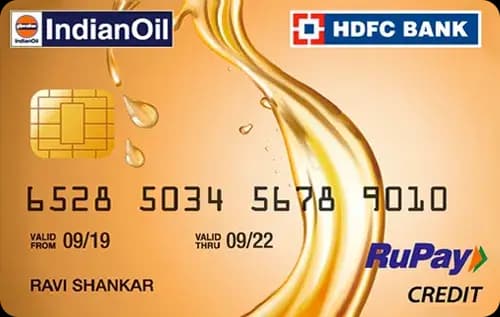
- The Indianoil HDFC Bank Credit Cardⓘ wins for everyday spends on fuel and groceries with its higher category reward rate.
- The Yes Prosperity Edge Credit Cardⓘ offers domestic lounge access and welcome vouchers, making it better for travel and lifestyle benefits.
- The Indianoil card is cheaper to hold with a lower annual fee and easier fee waiver threshold.
- Fuel and grocery spenders should pick the Indianoil card, while those wanting lounge access and dining rewards may prefer the Yes Prosperity Edge card.
Side by Side
| Detail | Indianoil HDFC Bank Credit Cardⓘ | Yes Prosperity Edge Credit Cardⓘ |
|---|---|---|
| Annual fee | Rs 500 | Rs 599 |
| Joining fee | Rs 500 | Rs 599 |
| Fee waiver on spend | Rs 50,000 | Rs 1,00,000 |
| Reward rate | 1% base; 5% fuel & grocery | 0.8% base; 2% dining & grocery |
| Reward type | points | points |
| Domestic lounge | None | 4 per year |
| International lounge | None | None |
| Forex markup | 3.5% | 3.5% |
| Best suited for | fuel, first-card, upi-rupay | rewards, dining, first-card, lounge, shopping |
Rewards Compared
On a Rs 10,000 spend, the Indianoil HDFC Bank Credit Cardⓘ returns Rs 100 at the base rate. However, in its key categories of fuel and grocery, it delivers Rs 500 back, a significant boost for those categories. This makes it an excellent card for those with substantial spends in these areas.
The Yes Prosperity Edge Credit Cardⓘ offers Rs 80 back per Rs 10,000 at the base rate, slightly lower than the Indianoil card. It provides 2% returns on dining and grocery spends, translating to Rs 200 per Rs 10,000, which is less lucrative than Indianoil’s 5% but still respectable for these categories. This card suits users focusing on dining and general rewards rather than fuel.
Fees Compared
The Indianoil card has an annual and joining fee of Rs 500 each, with a fee waiver threshold at Rs 50,000 annual spend, meaning Rs 4,167 monthly spend is required to avoid fees. The base rate return on Rs 50,000 spend covers the fee, making it a cost-effective choice for moderate spenders.
Conversely, the Yes Prosperity Edge card charges Rs 599 for both joining and annual fees, with a higher waiver spend threshold of Rs 1,00,000 annually or Rs 8,333 monthly. The threshold nearly doubles that of the Indianoil card, requiring more commitment to unlock fee waivers. The break-even spend to cover fees at base rate is Rs 74,875, implying a higher spend requirement to justify costs if category spends are not maximized.
Which One Should You Pick
The Indianoil HDFC Bank Credit Cardⓘ is ideal for individuals who spend heavily on fuel and groceries and want a low-cost credit card with solid rewards in these categories. It is also a sound choice for first-time credit card users and those preferring a simple, cost-effective card without lounge benefits.
The Yes Prosperity Edge Credit Cardⓘ suits users who value lifestyle perks such as domestic lounge access and dining rewards. It is a better fit for those with a higher monthly spend who can meet the fee waiver criteria and want additional benefits like golf access and welcome vouchers.
In conclusion, fuel and grocery spenders should opt for the Indianoil card for superior category returns and lower fees. Those prioritizing travel perks and lifestyle benefits should select the Yes Prosperity Edge card. Users who do not spend enough to waive fees or do not use lounges should skip the Yes Prosperity Edge card.
What to Check Before You Apply
- Confirm if there are any caps on the category rewards that limit earnings.
- Understand redemption value and options for points to ensure rewards suit your spending habits.
- Calculate the monthly spend required to waive fees and ensure it aligns with your budget.
- Note that both cards charge 3.5% forex markup on foreign currency transactions, which can add significant cost.
- Check the locations and number of lounges accessible especially for the Yes Prosperity Edge card’s domestic lounges.

Comments
No comments yet
Be the first to share your experience with this card.