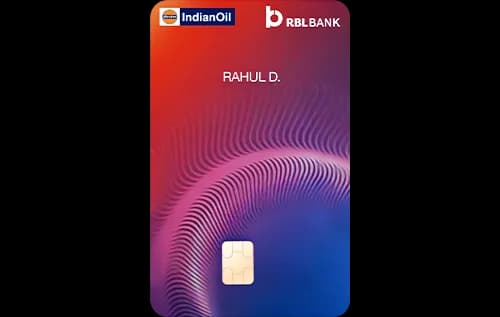
Quick Verdict
- For everyday spend, the Indianoil RBL Bank Xtra Credit Cardⓘ wins due to a higher base reward rate of 0.4% versus 0.25% on the BPCL SBI Card Octane.
- When considering travel and lounge benefits, the BPCL SBI Card Octaneⓘ has the edge with 8 domestic lounge visits per year compared to 4 on the Indianoil RBL Bank Xtra card.
- The BPCL SBI Card Octane is cheaper to hold with a slightly lower annual fee and a lower waiver threshold of Rs 2 lakh versus Rs 2.75 lakh on the Indianoil RBL Bank Xtra Credit Card.
- Fuel-focused spenders who value high returns at fuel stations should pick the Indianoil RBL Bank Xtra Card. Frequent diners and travelers seeking more lounge access and rewards across dining and grocery will prefer the BPCL SBI Card Octane.
Side by Side
| Detail | Indianoil RBL Bank Xtra Credit Card ⓘ | BPCL SBI Card Octane ⓘ |
|---|---|---|
| Annual fee | Rs 1,500 | Rs 1,499 |
| Joining fee | Rs 1,500 | Rs 1,499 |
| Fee waiver on spend | Rs 2.75 lakh | Rs 2.00 lakh |
| Reward rate | 0.4% base | 0.25% base |
| Reward type | points | points |
| Domestic lounge | 4 per year | 8 per year |
| International lounge | None | None |
| Forex markup | 3.5% | 3.5% |
| Best suited for | fuel, rewards, lounge | fuel, rewards, lounge, travel, dining |
Rewards Compared
Spending Rs 10,000 on the Indianoil RBL Bank Xtra Credit Cardⓘ earns Rs 40 in rewards at the base rate. However, at fuel stations, this card offers a significant boost with an 8.5% effective return, translating to Rs 850 on Rs 10,000 spent. Grocery spends are modestly rewarded at 1% or Rs 100 per Rs 10,000. These category-specific rates highlight the card’s clear advantage for fuel spenders aiming to maximize value.
In contrast, the BPCL SBI Card Octaneⓘ returns Rs 25 per Rs 10,000 at the base level, lower than the Indianoil RBL Bank Xtra card. However, it compensates with a broader rewards spread: 7.25% value back on BPCL fuel spends or Rs 725 per Rs 10,000, plus 2.5% returns on dining and grocery categories, equivalent to Rs 250 for each Rs 10,000 spent. This makes it more versatile for users with diverse spending patterns across fuel, dining, and groceries.
Fees Compared
Both cards have nearly identical joining and annual fees: Rs 1,500 for the Indianoil RBL Bank Xtra Credit Card and Rs 1,499 for the BPCL SBI Card Octane. The fee waiver thresholds differ considerably. The Indianoil RBL Bank Xtra requires Rs 2.75 lakh in annual spend, equating to about Rs 22,917 per month, to waive the fee. Meanwhile, the BPCL SBI Card Octane needs Rs 2 lakh annually or Rs 16,667 monthly for fee waiver.
The gap in reward rates means that just an additional Rs 667 in spend is needed on the Indianoil RBL Bank Xtra Credit Card for its higher base reward rate to cover the Rs 1 difference in fees. However, given the higher waiver threshold on the Indianoil card, users should consider their typical spending carefully to benefit from fee waivers.
Which One Should You Pick
The Indianoil RBL Bank Xtra Credit Cardⓘ is best suited for fuel-centric consumers who spend heavily at IndianOil fuel stations and want a strong return on fuel spending combined with decent rewards on groceries. It also suits those who can meet the higher fee waiver threshold and use the 4 domestic lounge visits effectively.
On the other hand, the BPCL SBI Card Octaneⓘ appeals to a wider audience including travelers, diners, and grocery shoppers who want multiple lounge visits (8 per year) and rewards across several categories. It also benefits those with moderate fuel spends at BPCL stations and who prefer a lower fee waiver threshold.
In conclusion, fuel enthusiasts focused on IndianOil should pick the Indianoil RBL Bank Xtra Credit Card, while users seeking balanced rewards and more travel-related perks should go with the BPCL SBI Card Octane. Those who seldom spend on fuel or lounges might want to skip both as the fees and benefits are optimized for specific use cases.
What to Check Before You Apply
- Assess the quarterly Rs 75,000 spend gate needed for domestic lounges on the Indianoil RBL Bank Xtra Credit Card.
- Confirm point redemption values and whether fuel points convert to usable fuel discounts or vouchers.
- Carefully calculate whether your monthly spend meets the fee waiver thresholds to avoid paying the annual fee unnecessarily.
- Beware of the 3.5% forex markup on both cards when planning international travel or foreign currency transactions.
- Check the availability and accessibility of the domestic lounge locations and any visit restrictions for both cards.

Comments
No comments yet
Be the first to share your experience with this card.