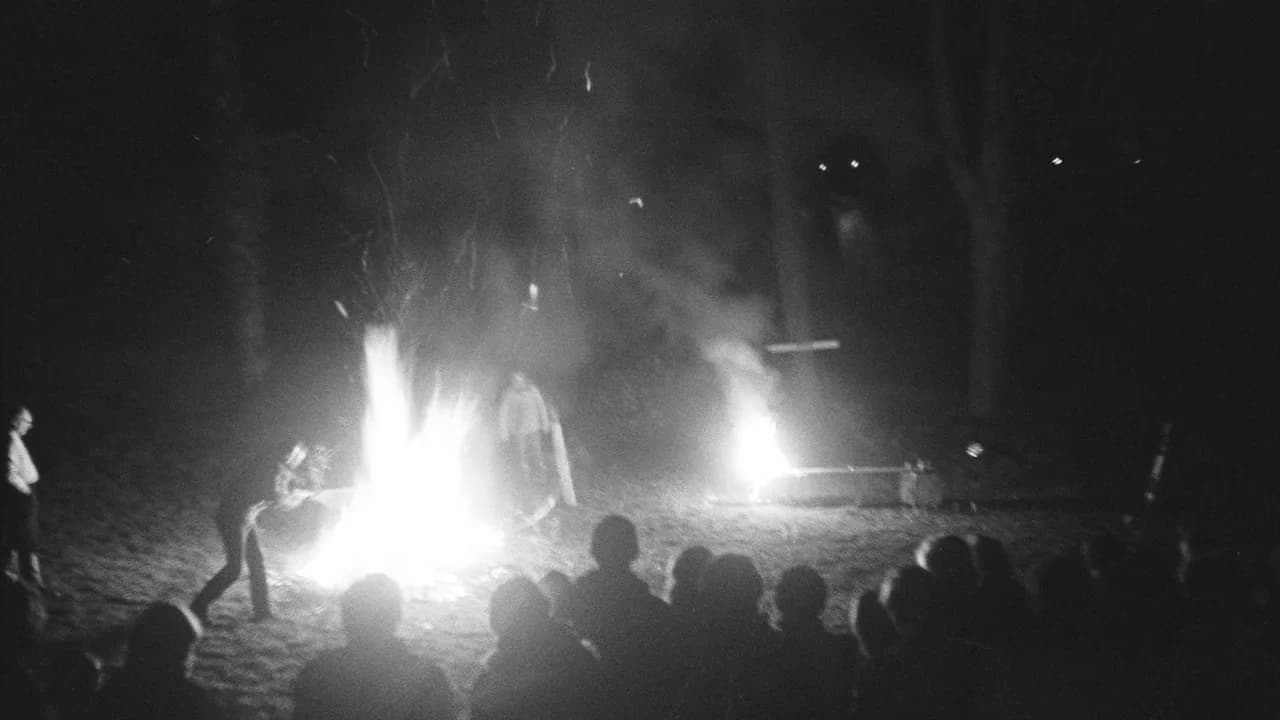
Lohri Spending in Punjab: Bonfire Shopping, Gifts and Travel Home on Credit Cards
Published: 18 October 2026 Category: buying-guides | cardbuzz
Lohri (13 January) marks the end of peak winter and the rabi harvest in Punjab, Haryana and Delhi's Punjabi communities — celebrated with bonfires, rewri, gajak, peanuts and popcorn tossed into the flames, folk songs, and new clothes. For families with a newborn or a newlywed couple, the first Lohri is a major celebration with gifting on a wedding-like scale. The card strategy covers travel home in peak winter, bonfire provisions, festive apparel and first-Lohri gifting.
Travel home in January: fog, fares and planning
Lohri travel coincides with North India's fog season, which disrupts flights and trains through December and January. Booking mechanics:
- Trains: Book early in the roughly 60-day advance window — Lohri-week trains into Amritsar, Jalandhar, Ludhiana, Patiala and Chandigarh fill fast. IRCTC's convenience fee is ₹15 plus GST (non-AC) or ₹30 plus GST (AC) per ticket, reduced to ₹10/₹20 plus GST via BHIM/UPI, per ticket not per passenger, non-refundable. Fog delays are common; keep the PNR status handy and avoid tight connections on the travel day.
- Flights: Delhi–Amritsar and Delhi–Chandigarh see holiday premiums. Airline co-brand cards earn best on direct bookings; compare against travel-portal fares on general travel cards.
- Travel insurance logic: Fog-season travel is precisely when trip-delay protection matters. Some premium cards include travel inconvenience benefits — check whether the card used for booking carries any delay or cancellation cover before buying a separate policy.
The bonfire basket: rewri, gajak, peanuts and winter provisions
The Lohri bonfire needs fuel (wood, cow-dung cakes, or organised community arrangements) and the traditional offerings: rewri, gajak, peanuts, popcorn, til (sesame) sweets. These are local-market, cash/UPI purchases — the card's role is limited, which is itself useful information: budget a realistic cash amount for the bonfire provisions rather than assuming card coverage. The card-relevant winter provisions are the supermarket portion — dry fruits, ghee, jaggery and winter grocery stocking — which routes through the grocery-optimised card, ideally one whose monthly cap is still unused.
Festive apparel: phulkari, patiala salwars and winter wedding-adjacent shopping
Lohri is a significant traditional-wear buying moment — phulkari dupattas and suits, patiala salwars, warm shawls and jackets for the winter season. January sales overlap with Lohri shopping, bringing card instant discounts on apparel into play. Stack platform coupon, card instant discount, then rewards. For premium phulkari or pashmina shawls, compare in-full payment on the best-earning card against no-cost EMI (processing fee commonly ₹99–₹299 plus 18% GST, reduced rewards on EMI) — in-full usually wins.
The first Lohri: newborn and newlywed celebrations
A family's first Lohri for a newborn or newly married couple is celebrated at scale — extended family gatherings, elaborate gifting (clothes, dry fruits, sometimes jewellery), catered food, and occasionally a rented venue. Spending can approach small-wedding levels (illustrative comparison). Card planning for a first Lohri:
- Catering: Large catering orders paid by card earn meaningful rewards where cards are accepted — confirm acceptance and any surcharge before the event, not during it.
- Gifting: Clothes and dry-fruit boxes for the extended family consolidate into large apparel and grocery transactions — route each to the best card for its category. Jewellery gifting follows jeweller-specific math (making charges, GST, possible card surcharges) and deserves its own calculation.
- Venue: Community halls and farm venues for first-Lohri parties are usually bank-transfer or cash bookings; budget accordingly.
Lohri parties and the January social calendar
Lohri sits in a dense January social season — office Lohri parties, society bonfires, school events. Contribution collections are UPI/cash affairs; the organiser's card only helps where vendors accept cards. For attendees, the cost is transport, contributions and the occasional outfit — modest, but it stacks onto the month's statement alongside the travel and shopping. Track it rather than ignoring it.
Lohri in Delhi NCR and the diaspora: celebrating away from Punjab
For Punjabi families in Delhi, Mumbai, Bengaluru and abroad, Lohri is celebrated in apartments, society compounds and gurudwaras rather than village courtyards. The spending shifts: community bonfire contributions, society event tickets, and catered Lohri dinners replace the village-scale celebration. Society Lohri events typically collect per-family contributions via UPI — modest amounts, but they stack with the month's other outflows. For the diaspora abroad, Lohri means video calls home plus shipped gifts — courier charges for sending rewri, gajak and gifts to India (or within the host country) are ordinary card transactions. Time the shipping for early January; courier networks slow in the mid-January festival and new-year backlog.
Winter fuel, heating and the January utility bump
Lohri week's peak-winter timing coincides with the year's highest heating and hot-water energy use in North India — room heaters, geysers and longer heating hours push January electricity bills to annual highs. Utility bill payments on credit cards earn at the card's utility rate (some cards exclude utilities from rewards or cap them — check before routing a large winter electricity bill through a capped card). The January bill is also a good moment to check whether the household is on the right tariff plan, since winter consumption patterns differ sharply from summer.
Office rewri-gajak distribution: the bulk-buy playbook
Offices and housing societies across North India distribute rewri, gajak and peanut packets for Lohri — bulk orders from sweet shops and wholesalers. A bulk order of several hundred packets is a large single transaction: confirm the vendor accepts cards, ask about bulk pricing tiers, and put it on the best flat-rate card. The per-packet saving from the wholesale tier usually exceeds the card rewards, so negotiate the bulk price first and optimise the payment method second. Keep the GST invoice if the purchase is for a business — it is a legitimate business expense.
Makar Sankranti crossover: kite shopping the next day
Lohri (13 January) is immediately followed by Makar Sankranti (14 January), and in many Punjabi households the two blur into one celebration week — with kite flying borrowed from the Gujarati Uttarayan tradition in cities like Delhi and Ludhiana. Kite and manjha shopping is small-ticket cash spending, but the combined two-day celebration extends the outing and dining budget. Treat 13–14 January as a single budgeted block rather than two separate surprises.
Lohri and the winter wedding season overlap
January is also peak North Indian wedding season, and Lohri-week households often juggle a family wedding alongside the festival — shaadi shopping, gifts, travel to the wedding city. The two events share card mechanics (apparel offers, travel bookings, gifting) but double the outflow in a single cycle. The defence is a combined budget: list the Lohri spends and the wedding spends together, assign each to its best card, and check the total against the month's payable capacity before the cycle closes. Two celebrations in one statement is exactly when utilisation breaches 30% unnoticed.
Post-Lohri: the January statement
Lohri spending shares the January cycle with the year's first month of regular expenses and, for many, school-fee or insurance-premium outflows. Reconcile within a week: confirm discounts posted, verify EMI terms if any, check for duplicate charges. Pay in full — starting the year carrying balances at 3%+ monthly interest compounds the cost of every subsequent month. Note the category split; the same pattern (travel, apparel, grocery, gifting) repeats at Baisakhi in April, and the card plan transfers directly.


Comments
No comments yet
Be the first to share your experience with this card.