Onam Sadhya Shopping and Kerala Trips: A Credit-Card Playbook
Published: 18 October 2026 Category: buying-guides | cardbuzz
Onam, Kerala's ten-day harvest festival culminating in Thiruvonam (26 August in 2026), generates a spending pattern unlike any other Indian festival: an enormous home-cooked feast (the sadhya), new traditional wear in kasavu, flowers by the kilo for the pookkalam, and one of the year's biggest homeward migrations into Kerala. The spending is concentrated in groceries, apparel, travel and gifting — categories where credit-card choices genuinely move the needle.
The sadhya grocery run: feeding a crowd on the right card
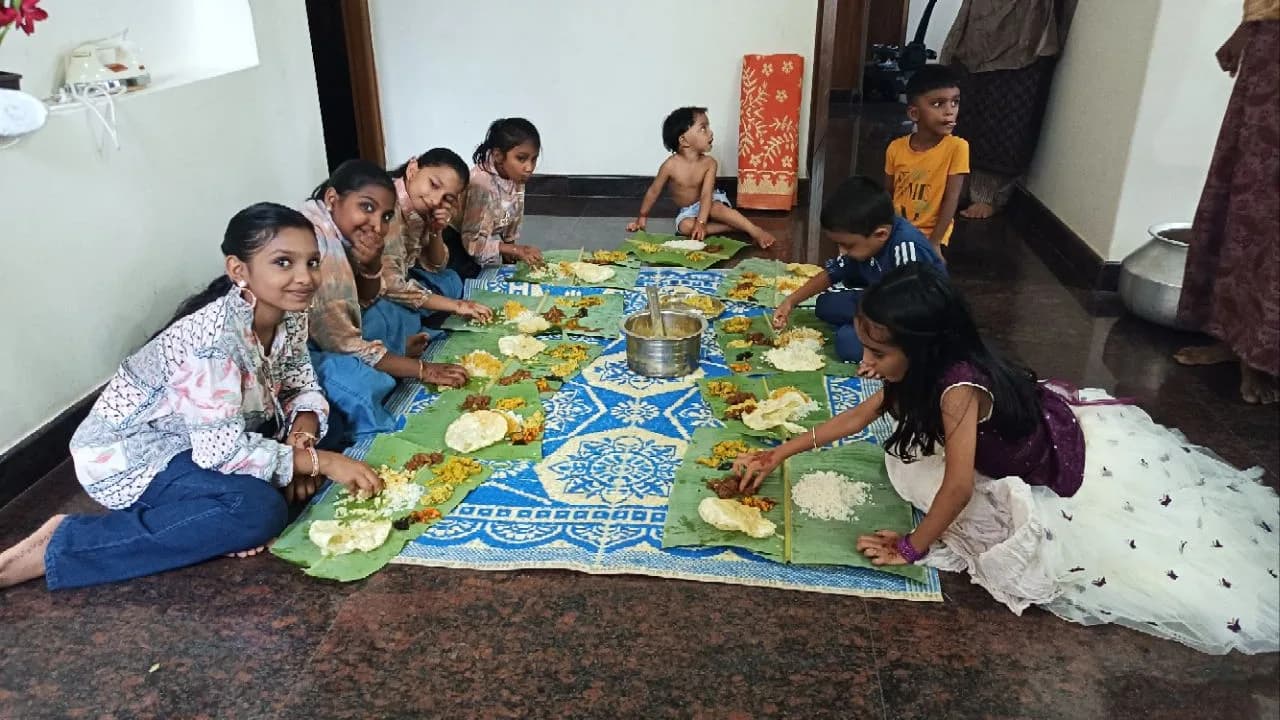
The Onam sadhya is a vegetarian feast of 20-plus dishes served on a banana leaf — rice, sambar, avial, thoran, olan, pachadi, kichadi, injipuli, pappadam, payasam and more. For a family hosting relatives through the festival week, the grocery list runs to rice, coconut, vegetables, banana, jaggery, ghee, cashews, raisins, spices, oil and plantains in serious quantities. This is one of the year's largest single grocery outlays for many Kerala households, and it deserves card planning:
- Consolidate the run: One or two large supermarket or wholesale orders beat a dozen small instant-delivery orders on delivery fees, and large baskets are more likely to trigger card-linked grocery offers with minimum order values.
- Use the grocery-optimised card: Some cards pay accelerated rewards on grocery or supermarket spend, often with monthly caps. Onam week is the week to route the entire festival grocery bill through whichever card's grocery cap is still unused — a capped card earning its bonus rate on a ₹15,000–₹25,000 festival grocery run (illustrative range) is worth far more than the same card earning base rates on scattered monthly shops.
- Watch perishables logistics: Banana leaves, fresh coconut and flowers are typically bought from local vendors in cash or UPI. Keep a realistic cash/UPI budget alongside the card plan rather than assuming the whole sadhya can go on plastic.
Pookkalam flowers and festival decor
The pookkalam — the floral carpet laid out over the ten days of Onam — needs fresh flowers daily, with the design growing more elaborate toward Thiruvonam. Marigold, thetti (ixora), chembarathi (hibiscus) and thumbapoo (leucas) by the kilo, plus decorative lamps and festival lighting for the home, form a decor spend that is almost entirely local-market and cash-based. The card angle here is indirect: keeping small cash spends off the card preserves the card's limit and reward caps for the big-ticket categories where cards actually earn.
Kasavu, mundu and festive wear
Onam is Kerala's biggest traditional-wear buying moment: kasavu saris and set-mundus with their gold borders, mundu shirts for men, and new clothes for children. Price points range from affordable cotton kasavu to premium handloom silk, and families often buy for every member. Card mechanics:
- Textile and handloom shops: Kerala's established textile retailers accept cards normally, and festive-season bank offers sometimes include instant discounts on apparel minimums. Premium handloom kasavu from weaver cooperatives can occasionally route through quasi-government payment gateways — worth a quick check of the card's merchant exclusions before a large purchase.
- Online festive wear: Marketplace fashion sales around late August bring platform coupons plus card instant discounts into play. Stacking order matters: platform coupon first, then card instant discount, then rewards on the final amount.
- EMI on premium silk: A handloom silk kasavu set can cost as much as a small appliance. No-cost EMI is available but not free — issuers typically charge a processing or conversion fee (commonly ₹99–₹299 plus 18% GST, higher on some cards) and most cards reduce or remove rewards on EMI transactions. For a garment that will be worn for years, paying in full on the best-earning card usually beats EMI on total cost.
Travel home for Onam: flights, trains and the Kerala rush
Onam triggers one of India's most intense regional travel peaks — Malayalis return from the Gulf, from metros across India, and from within Kerala itself. Kochi, Thiruvananthapuram, Kozhikode and Kannur airports all see holiday premiums, and the Gulf–Kerala corridors price sharply in the final two weeks before Thiruvonam.
- Gulf returnees: For NRIs flying in from the Gulf, international co-brand and travel cards earn on the fare, and booking directly with the airline usually maximises the co-brand earn rate. Baggage-heavy festival travel (gifts, sweets, clothes for the whole family) makes the airline's included baggage allowance worth checking before choosing a low-cost carrier on price alone.
- Domestic travellers: Book early; the Onam week is not the time for last-minute fares. Compare the card travel portal's final price (after portal discounts) with the airline's direct fare on the co-brand card.
- Trains: For travel within South India, IRCTC bookings carry a convenience fee of ₹15 plus GST (non-AC) or ₹30 plus GST (AC) per ticket, reduced to ₹10/₹20 plus GST via BHIM/UPI. The fee is per ticket, not per passenger, and non-refundable. Onam-week berths on Kerala-bound trains sell out fast once the roughly 60-day advance window opens.
Onam gifting: beyond the sadhya table
Onam gifting spans new clothes for elders, gifts for domestic help, and the traditional practice of giving to those who serve the household through the year. Two card rules apply: gift-card and voucher purchases are frequently excluded from rewards or capped on many Indian cards, so buying the actual gift usually earns more than buying a voucher for the same store; and charitable or community donations made during the festival (temple contributions, community sadhya sponsorships) typically earn no rewards, so they should be budgeted as pure outflows rather than rewards opportunities.
Onam week dining and outings
With relatives in town, Onam week brings restaurant outings, cinema, and day trips — Athirappilly, Munnar, Alleppey houseboats and Kovalam all see festival-week crowds. Dining-focused cards earn accelerated rewards at restaurants; entertainment cards or wallet offers cover cinema; houseboat and resort bookings follow standard hotel-booking mechanics (compare prepaid rates against pay-at-property, and keep the cancellation policy in view). Fuel for the week's driving goes on the surcharge-waiver card.
Onam travel on miles and points
For households that collect airline miles or bank reward points through the year, Onam week is a legitimate redemption target — but only with planning. Award seats on Kerala-bound flights during the festival week are capacity-controlled and disappear months ahead; waiting until August to look for award availability is usually futile. The better play is to search award calendars as soon as the schedule opens (typically 9–12 months out, depending on the programme) and to be flexible on routing — connecting through Bengaluru or Chennai rather than flying direct into Kochi can open award space that the direct flight lacks. When comparing a miles redemption against a cash fare, value the miles at the programme's published redemption rate (not an aspirational one) and compare against the cash fare net of card rewards. If the cash fare is low and the miles price is high, pay cash and save the miles for a higher-value redemption.
Community Onam events: pookkalam competitions and sadhya fundraisers
Resident associations, Malayali samajams and workplace groups organise Onam celebrations — pookkalam competitions, thiruvathira performances, community sadhyas and fundraising dinners. Participation fees and community-sadhya tickets are usually collected via UPI or bank transfer; card acceptance is rare and rewards are irrelevant. The card angle is on the hosting side: samajams that order the community sadhya from caterers can pay large catering bills on a card where accepted, earning meaningful rewards on what is often a ₹50,000-plus (illustrative) order. As with mandal committees, keep community funds strictly separate from personal cards — one dedicated account, clean receipts, no points-chasing with other people's money.
Gulf-returnee households: forex and card planning
A distinctive Onam pattern is the Gulf-returnee household: family members working in the Gulf return with foreign-currency cards, NRE accounts and a shopping list. Two mechanics matter. First, international credit cards used in India attract foreign transaction fees (typically 2–3.5%) and less favourable exchange rates — for large Onam purchases, paying from the NRE account via UPI or a domestic card is usually cheaper. Second, festival gold and electronics bought in the Gulf and carried in follow customs rules, not card rules — the card choice does not change duty liability. Plan the payment method by total cost in rupees, not by which card feels most premium.
The post-Onam statement check
Within a week of Thiruvonam, reconcile: confirm instant discounts posted, verify EMI conversions show the right tenure, and check for duplicate charges from the flurry of small festival transactions. Then pay in full. Interest on carried balances — typically 3% or more per month on Indian cards once the grace period is lost — wipes out the entire festival's rewards several times over. Note which card earned most; that is the card to lead with next Onam.



Comments
No comments yet
Be the first to share your experience with this card.