Prepaid Smart Meters: Topping Up Electricity on a Credit Card
Published: 18 October 2026 Category: how-to-guides | cardbuzz
India is in the middle of the largest metering overhaul in its history. Under the Revamped Distribution Sector Scheme (RDSS) — launched in July 2021 with an outlay of ₹3,03,758 crore and budgetary support of ₹97,631 crore — the plan is to install 25 crore smart meters across the country, and the default configuration is prepaid: pay first, consume later, exactly like a mobile recharge. For credit-card users, that changes the electricity bill from a postpaid autopay into a top-up — with its own reward mechanics, traps, and tactics.
How prepaid metering works
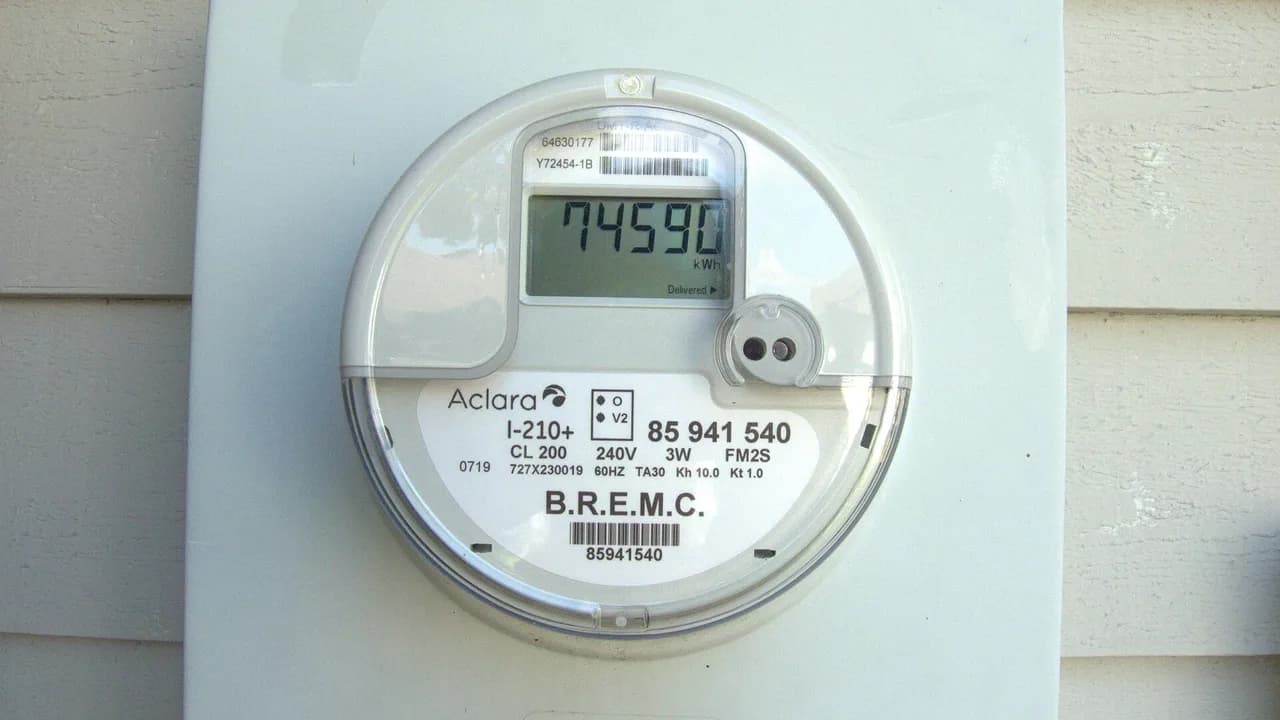
A prepaid smart meter holds a rupee balance, not just a unit reading. Every unit consumed deducts the tariff value from the balance in near-real time; when the balance runs low, the meter (and the DISCOM's app) sends alerts; at zero, supply disconnects automatically — usually with a small emergency-credit buffer and a "no disconnection during night hours or holidays" rule that varies by state.
Topping up works like a mobile recharge: the DISCOM's official app or website (search "electricity recharge" or "prepaid top-up" with the provider's name), third-party apps such as Paytm, PhonePe and Google Pay, and in some areas CSC outlets or the DISCOM's own customer-care counters. Payment modes include UPI, net banking, and debit/credit cards. The meter balance typically updates within minutes, confirmed by SMS on the registered mobile number. For billing disputes or supply complaints, the national electricity helpline 1912 works across India.
The card angle: top-ups as a spend category
A prepaid top-up is a fresh payment transaction every time — unlike a postpaid bill on autopay, which is one recurring mandate. That has three consequences:
- Reward earn depends on MCC coding. Electricity payments sometimes code under utility MCCs that certain cards exclude from rewards or milestone spends. Before routing ₹3,000–8,000 a month in top-ups through a card, make one small test recharge (₹100–200) and check how it posts — rewards credited, milestone counted, or excluded. The test costs nothing and answers the question definitively for that card–DISCOM–app combination.
- Top-up frequency is a lever. Postpaid users pay once a month; prepaid users can top up weekly, fortnightly, or monthly. If the card rewards utility spends, consolidating into one larger monthly top-up usually earns the same points with fewer transactions — but smaller, frequent top-ups give tighter budget control and avoid a large balance sitting with the DISCOM. Choose based on which matters more: points simplicity or cash-flow control.
- App choice matters. Paying through the DISCOM's own app versus a wallet app can code differently and carry different convenience fees. Some DISCOM apps add a payment-gateway surcharge on card payments; some wallet apps absorb it. Compare the all-in cost — a 1% convenience fee wipes out a 1.5% reward earn down to 0.5%.
The budgeting upside nobody talks about
Prepaid metering's real gift is visibility. The DISCOM app shows daily consumption and the rupee burn rate — most households discover their actual cost per day within the first month, and studies of prepaid metering globally show consumption drops of 5–15% purely from awareness. For the card user, that pairs beautifully with a simple system: set a monthly top-up budget on the card, watch the daily burn in the DISCOM app, and the electricity spend becomes the most legible line in the budget.
Practical tactics: top up on the 1st of the month for a clean accounting period; keep a ₹500–1,000 buffer above the expected monthly burn so a tariff slab change doesn't trigger a midnight low-balance alert; and if the household has solar or a time-of-day tariff, shift heavy loads (washing machine, water heating, EV charging) to off-peak hours — the prepaid meter's real-time display makes the saving visible immediately.
Traps to avoid
- Auto-disconnection timing: know the DISCOM's rules — some reconnect instantly on recharge, others take 15–30 minutes. Never let the balance hit zero before a night or a holiday.
- Emergency credit isn't free money: it's a short-term negative-balance allowance that gets recovered from the next top-up, sometimes with a small fee. Treat it as an overdraft, not a feature.
- Don't chase rewards into overspending: topping up ₹10,000 "for the points" parks interest-free money with the DISCOM. Top up what the month needs, plus the buffer — no more.
- Keep the registered mobile number current: every alert — low balance, tariff change, recharge confirmation — goes there. A changed number without an update means silent disconnection.
Reading the tariff on a prepaid meter
Prepaid doesn't change the tariff — it changes its visibility. Most states use telescopic slab tariffs: the first 100 units at one rate, the next 200 at a higher rate, and so on. On a postpaid bill, the slab math is buried in the monthly statement. On a prepaid meter, the burn rate visibly accelerates as the month's cumulative consumption crosses slab boundaries — the app's daily cost graph steepens in the third week, and households see exactly when they tipped into the expensive slab.
This visibility enables a genuinely useful tactic: the month-end audit. In the last week of the billing month, check cumulative consumption against the slab thresholds. If the household is 20 units below the next slab, deferring the washing machine and water heating by a few days keeps those units in the cheaper slab — a saving of ₹100–300 (illustrative) for zero sacrifice. Postpaid users can do this too, but almost none do; prepaid users see the number every day, so they actually act on it.
Time-of-day tariffs, where the DISCOM offers them, are even more actionable on prepaid: off-peak units (typically 10 PM–6 AM) can cost 10–20% less, and the meter shows the cheaper burn in real time. Shift the geyser timer, the washing machine, and EV charging to the off-peak window and watch the daily cost drop the next morning.
Switching between prepaid and postpaid
Prepaid metering under RDSS is the direction of travel, but the transition isn't always voluntary or instant. A few things to know:
- Can you opt out? In most DISCOMs rolling out prepaid smart meters, the prepaid mode is the default for new smart-meter installations, and existing postpaid consumers are migrated in phases. Some DISCOMs allow a postpaid smart-meter mode on request — ask the local division office; policies vary by state.
- Security deposits: postpaid connections hold a security deposit with the DISCOM (typically 1–2 months' average bill). On migration to prepaid, the deposit should be adjusted or refunded — follow up in writing, because this adjustment is frequently "forgotten."
- Arrears: outstanding postpaid dues don't vanish on migration; DISCOMs typically recover them as a small daily deduction from the prepaid balance. Check the first month's deductions carefully — unexplained daily debits are usually arrears recovery, and the DISCOM must itemise them on request.
Solar plus prepaid: the prosumer edge
Prepaid metering and rooftop solar are a natural pair. The solar household exports surplus by day and imports by night; on a prepaid meter, both flows are visible in rupees in real time — the daytime export literally slows the balance burn, and on strong-sun days the balance can hold flat or even effectively accrue credit depending on the state's net-metering settlement. This visibility makes system underperformance obvious within days (a dusty panel or tripped inverter shows up as a faster-than-expected balance drain), catching faults months before a postpaid household would notice them on a bill. For PM Surya Ghar beneficiaries on prepaid meters, the combination delivers the full feedback loop: generation monitored on the inverter app, consumption and balance on the DISCOM app, and the subsidy already banked.
One more prepaid nuance: tariff revisions hit differently when they're visible daily. When the state regulator announces a tariff hike, postpaid households discover it on next month's bill; prepaid households watch the daily burn rate jump the morning the new tariff takes effect. That immediacy is an advantage — it prompts the load-shifting response (timers, off-peak scheduling) within days rather than months, which is precisely when the saving matters most.
The 1912 helpline and complaint escalation
Electricity complaints have a defined escalation path, and prepaid users need it more (a wrongly disconnected meter is urgent):
- 1912 — the national power helpline, works across India, connects to the local DISCOM's complaint cell. Note the complaint number.
- The DISCOM's app/portal grievance section — file in writing with the 1912 reference; written complaints create the paper trail.
- Consumer Grievance Redressal Forum (CGRF) — every DISCOM must maintain one; approach it if the complaint isn't resolved in the stipulated time (typically 30 days).
- Electricity Ombudsman — the state-level appellate authority if the CGRF's order is unsatisfactory.
For billing disputes on prepaid meters — wrong tariff applied, phantom deductions — the meter's own downloadable consumption log is the evidence. Download it monthly; it's the equivalent of keeping postpaid bills, and it wins disputes.
The verdict
Prepaid smart metering turns electricity into a visible, controllable, recharge-style expense — and for the disciplined card user, the monthly top-up is a clean, predictable rewards-earning transaction. Test the MCC coding once, pick the cheapest payment rail, top up monthly with a buffer, and let the meter's daily display do what no postpaid bill ever did: show exactly what the fans, the geyser and the AC cost, every single day.



Comments
No comments yet
Be the first to share your experience with this card.