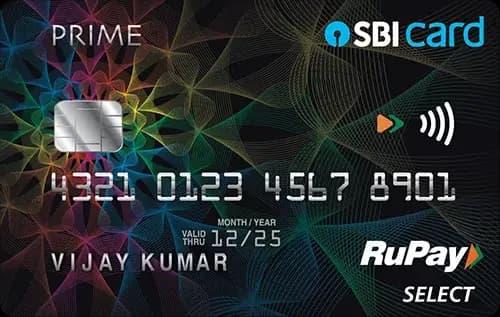
Quick Verdict
- For everyday spending, the Yes Bank Marquee Credit Cardⓘ wins with a higher base reward rate of 1.8% compared to SBI Prime’s 0.5%.
- For travel and lounge access, SBI Prime Credit Cardⓘ offers more domestic lounge visits and a complimentary Priority Pass membership, making it better for frequent travelers.
- SBI Prime is cheaper to hold initially with a lower joining fee and annual fee, and a more achievable fee waiver threshold.
- Choose SBI Prime if you prioritize travel perks and moderate spending; opt for Yes Bank Marquee if you want higher rewards on online spends and can meet the high waiver spend.
Side by Side
| Detail | SBI Prime Credit Cardⓘ | Yes Bank Marquee Credit Cardⓘ |
|---|---|---|
| Annual fee | Rs 2,999 | Rs 4,999 |
| Joining fee | Rs 2,999 | Rs 9,999 |
| Fee waiver on spend | Rs 3.00 lakh | Rs 10.00 lakh |
| Reward rate | 0.5% base, 2.5% dining, grocery, utilities | 1.8% base, 3.6% online |
| Reward type | points | points |
| Domestic lounge | 8 per year | Unlimited |
| International lounge | 4 per year | 6 per year |
| Forex markup | 3.5% | 1% |
| Best suited for | rewards, dining, lounge, grocery, travel, shopping | rewards, shopping, lounge, forex, premium, travel |
Rewards Compared
The SBI Prime Credit Cardⓘ offers Rs 50 back on Rs 10,000 spent at the base rate of 0.5%. However, it shines in categories like dining, grocery, and utilities where the reward rate jumps to 2.5%, translating to Rs 250 back on Rs 10,000 spent. This makes it a strong contender for everyday spends in these categories. The card also provides a birthday spend bonus with 20 points per Rs 100 spent, capped at 2,000 points annually, adding incremental value for loyal users.
On the other hand, the Yes Bank Marquee Credit Cardⓘ delivers a much higher base reward rate of 1.8%, earning Rs 180 on Rs 10,000 spent. Its standout category is online spending, where the rate increases to 3.6%, yielding Rs 360 back on Rs 10,000. This makes it very attractive for users who spend heavily on online platforms. The card’s welcome benefit of 40,000 reward points also adds upfront value, especially for premium shoppers.
Fees Compared
The SBI Prime Credit Cardⓘ has a joining fee and annual fee both set at Rs 2,999. The fee can be waived with an annual spend of Rs 3.00 lakh, which breaks down to Rs 25,000 per month. The card requires about Rs 6.00 lakh in spend to cover the fee purely through base rewards, which is a high threshold but achievable for regular users focused on dining and groceries.
The Yes Bank Marquee Credit Cardⓘ commands a much higher joining fee of Rs 9,999 and an annual fee of Rs 4,999. The fee waiver is set at a steep Rs 10.00 lakh annually, or Rs 83,333 monthly. However, due to its higher base reward rate, the break-even spend to cover the annual fee is approximately Rs 2.78 lakh, much lower than SBI Prime’s requirement. The extra Rs 2,000 annual fee compared to SBI Prime is offset if you spend an additional Rs 1.54 lakh annually, thanks to the better reward rate.
Which One Should You Pick
Choose the SBI Prime Credit Cardⓘ if you want a balanced card with solid rewards on dining, groceries, and utilities, plus excellent travel perks like Priority Pass membership and domestic lounge access. It suits moderate spenders who want premium benefits without a very high fee or waiver spend. However, if you rarely spend Rs 25,000 monthly or do not value lounge access, this card might not be the best fit.
The Yes Bank Marquee Credit Cardⓘ is ideal for high spenders who frequently shop online and want superior rewards on all spends. Its low forex markup of 1% also makes it a great choice for international travelers who spend abroad. The high joining fee and annual fee with a Rs 10 lakh waiver threshold mean it suits premium users who can leverage the unlimited domestic lounge access and concierge services. Those with lower spends or who do not prioritize rewards should skip this card.
Overall, if you prioritize travel benefits and moderate spending, SBI Prime Credit Cardⓘ is the better pick. For heavy online spenders and premium users looking for the highest rewards and low forex fees, Yes Bank Marquee Credit Cardⓘ wins.
What to Check Before You Apply
- Confirm the monthly spend needed to waive fees and ensure it fits your budget.
- Check if reward points have caps or expiry that limit your redemption flexibility.
- Understand the forex markup, especially if you travel or shop internationally.
- Verify lounge access locations and guest policies to match your travel habits.

Comments
No comments yet
Be the first to share your experience with this card.