Solar Water Heater vs Heat Pump: Buying Guide With Payback Maths
Published: 18 October 2026 Category: buying-guides | cardbuzz
Water heating is one of the quietest electricity hogs in an Indian home. A standard 2 kW electric geyser running two hours a day consumes about 4 units daily — roughly 1,460 units a year, or around ₹11,700 at ₹8 per unit. Two technologies cut that to a fraction: the solar water heater and the heat pump water heater. Both are squarely in credit-card territory — ₹15,000 to ₹90,000 — so the buying decision and the payment decision belong together.
The contenders
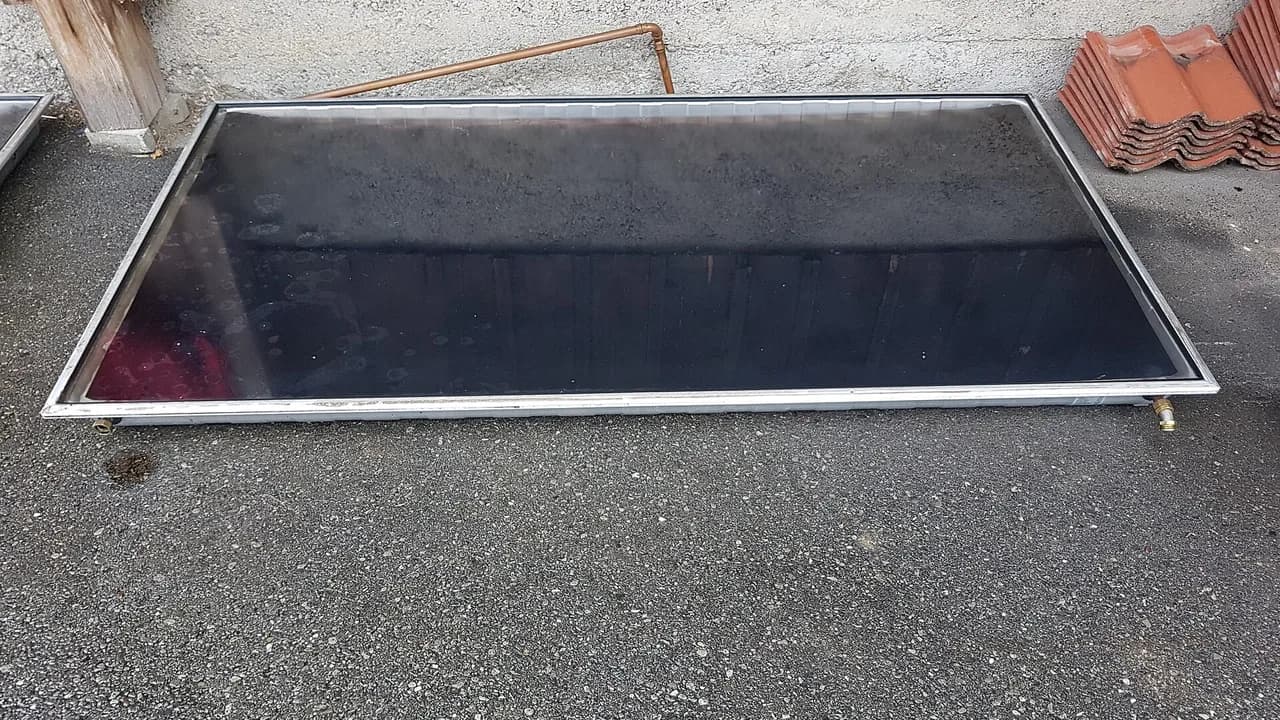
Solar water heater (ETC/FPC type). A 100 LPD (litres per day) evacuated-tube-collector system starts at roughly ₹15,000–18,000 from mainstream brands, with 200 LPD systems for a family of four at about ₹18,000–30,000 and 300 LPD at ₹28,000–40,000. It heats water with zero running electricity on sunny days, includes an electric backup for monsoon stretches, and typically carries a 5-year warranty. Installation needs shadow-free terrace space and proper plumbing to the bathrooms.
Heat pump water heater. A heat pump moves heat from the surrounding air into the water rather than generating it — delivering 3 to 4.6 units of heat per unit of electricity consumed (a coefficient of performance of 3–4.6). That cuts water-heating electricity by 60–75% compared with a resistance geyser. Residential units in India typically start around ₹55,000–75,000 for 100–200 litre capacities, with premium split systems going higher — prices are approximate and vary by brand and region. It works day and night, in any weather, and needs far less space than a solar collector array.
Payback maths: the honest comparison
Take a family of four using roughly 200 litres of hot water daily — a realistic 200 LPD scenario:
- Electric geysers (status quo): 200 litres heated electrically each day costs roughly ₹60–80 in electricity (about 8–10 units at ₹8). Annual cost: approximately ₹22,000–29,000.
- Solar water heater: near-zero electricity for 8–9 sunny months; electric backup covers the rest. Annual running cost: roughly ₹2,000–4,000. Annual saving vs geysers: approximately ₹18,000–25,000. On a ₹25,000 system, payback lands in roughly 1–2.5 years.
- Heat pump: uses about 25–35% of the geyser's electricity year-round. Annual running cost: roughly ₹6,000–9,000. Annual saving: approximately ₹14,000–21,000. On a ₹65,000 system, payback lands in roughly 3–4.5 years.
Solar wins on payback where the roof allows it. The heat pump wins where it doesn't — apartments, shaded terraces, or households that need hot water on demand through the monsoon without touching the backup element. Hard water is the heat pump's main enemy: scale damages the heat exchanger, so homes on borewell supply should budget for a softener or more frequent descaling.
Which homes suit which
Choose the solar water heater when the terrace gets unobstructed sun for most of the day, the family uses hot water mainly in the morning (the tank holds heat overnight), and the household wants the fastest payback. Choose the heat pump when the roof is shaded or shared, hot water is needed at unpredictable hours, or the building is an apartment where collector installation is impractical. For hotels, hostels and large joint families, heat pumps scale better — one unit can serve multiple bathrooms through insulated lines.
A hybrid worth knowing: a solar water heater with a heat pump as the backup instead of a resistance element. The capital cost is the highest of all, but running cost approaches zero in every season.
Paying for it: the card playbook
These tickets sit in the ₹15,000–90,000 band — the sweet spot for card strategy:
- Solar water heater (₹15,000–40,000): small enough to put on a card and clear in one or two billing cycles, earning full reward points with no interest. If the seller is on a major marketplace, stack the card's online category bonus with any festive exchange or coupon on the listing. A no-cost EMI over 6 months is the fallback if cash flow is tight.
- Heat pump (₹55,000–90,000): big enough that the EMI route deserves real thought. At 12–15% card-EMI rates, a 12-month EMI on ₹65,000 adds roughly ₹5,000–6,000 in interest — about four months of the energy saving wiped out. Better options: a short 6-month no-cost EMI if the dealer offers one, or a personal loan / the home's existing credit line at a lower rate. Check whether the manufacturer runs bank-offer cashbacks on specific cards during the winter buying season, when heat pump demand peaks.
- Subsidy check: MNRE-linked and state-level subsidies for solar thermal have existed historically at roughly 30–40% of system cost through approved vendors, though scheme availability varies by state and year — verify with the state nodal agency before budgeting for it, and never let a dealer inflate the pre-subsidy price.
Installation costs buyers forget
Budget beyond the unit price: plumbing runs to distant bathrooms (insulated hot-water lines matter — uninsulated pipes waste the saving), a thermostatic mixing valve for safety, the civil work for the collector stand, and — for heat pumps — a location with adequate airflow away from bedroom windows, plus a condensate drain. Get these quoted in writing; installers who quote the unit price alone often add 15–25% in "site extras."
Installation: the details that decide performance
Both technologies punish bad installation, in different ways:
- Solar water heater: the collector must face true south (in India) at a tilt roughly equal to the local latitude, with zero shading between 9 AM and 4 PM — even a neighbouring parapet's shadow across one corner of the tubes measurably cuts output. Hot-water plumbing to bathrooms should be insulated; uninsulated GI pipe runs across a terrace can lose 5–8°C before the water reaches the tap, silently erasing the system's advantage. Insist on a thermostatic mixing valve — solar tanks can exceed 80°C in summer, a scalding risk.
- Heat pump: needs 1–2 metres of clear airflow around the outdoor unit (it extracts heat from air, so boxing it into a corner strangles efficiency), a condensate drain, and placement away from bedroom windows — the fan and compressor produce a low hum comparable to an AC outdoor unit. On hard borewell water, a softener or scale inhibitor upstream of the heat exchanger isn't optional; scale is the leading cause of premature heat-pump failure in Indian installations.
Get the plumbing, civil, and electrical extras quoted in writing before work starts. Installers who quote only the unit price routinely add 15–25% in "site extras" — stand fabrication, extra piping, core cutting, and electrical points.
Maintenance and lifespan
- Solar water heater: nearly maintenance-free. Wash the collector glass/tubes every 2–3 months (dust cuts absorption), check the sacrificial anode rod annually in hard-water areas, and replace the electric backup element if it scales up. Expected life: 12–15 years for the tank, longer for the collector.
- Heat pump: needs annual servicing like an air conditioner — coil cleaning, refrigerant pressure check, and condensate drain clearance. Expected life: 10–12 years with proper water quality, less without it. Factor an annual maintenance contract of roughly ₹3,000–5,000 (approximate) into the payback maths; even with it, the numbers hold.
Reading the dealer's quote: red flags
Solar thermal quotes vary wildly, and the variance is where money leaks. A proper quote itemises: the unit (capacity, collector type, tank material — stainless steel inner tanks outlast MS ones), the stand (galvanised iron, wind-rated), plumbing scope (metres of insulated pipe, number of connection points), and the electric backup element's rating. Red flags: a quote that's 30%+ below the market range (usually thinner tanks, fewer tubes, or no insulation), "subsidy adjusted" pricing that the dealer can't document against a government notification, and pressure to pay 100% upfront — the standard is 10–20% advance, the balance on commissioning. For heat pumps, insist the quote states the COP at standard test conditions and the exact model number; "3-star equivalent" without a datasheet is marketing, not specification. Get two quotes minimum — the second one is free education.
One more cost worth factoring: several municipal corporations and state agencies have periodically offered capital subsidies or property-tax rebates for solar thermal installations, separate from the PV-focused PM Surya Ghar scheme. These come and go with state budgets, so the practical move is a single check with the state nodal agency (or the installer's empanelled-vendor desk) at quotation stage — a 10–20% capital subsidy, where active, shortens the solar water heater's already-short payback to under two years. Never let a dealer bake an unverified subsidy into the quote as a discount; claimable subsidies are filed by the homeowner, not netted by the seller.
When neither wins: the geyser's last stand
Honesty requires the counter-case. For a single working professional who showers once daily and is home only on weekends, a 200-litre solar or heat-pump system is oversized — a 15-litre instant geyser used 20 minutes a day costs roughly ₹1,200–1,800 a year to run, and no ₹25,000+ system pays back against that. Similarly, in high-rise apartments where neither terrace access nor outdoor-unit space exists, a high-efficiency instant water heater on a timer remains the rational choice. The upgrade logic only works where hot-water demand is real and daily.
The verdict
For most independent houses with a sunny terrace, the solar water heater remains the unbeatable value — it pays for itself in under three years and then heats water nearly free for a decade. For apartments and shaded homes, the heat pump is the modern answer, cutting water-heating bills by roughly two-thirds with no dependence on weather. Either way, pay on the card for the rewards, keep the financed tenure short, and let the energy saving — not the EMI — do the talking.



Comments
No comments yet
Be the first to share your experience with this card.