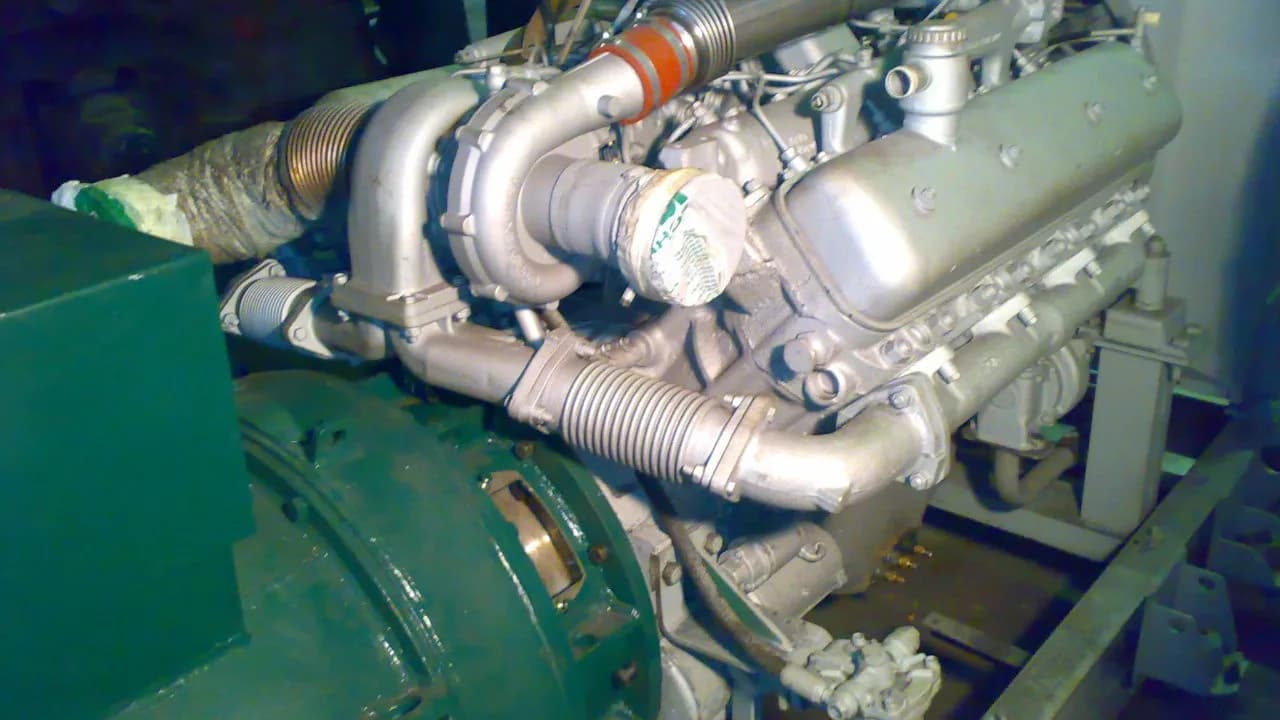
Diesel Genset vs Inverter-Battery: The True Total Cost of Ownership
Published: 18 October 2026 Category: comparisons | cardbuzz
When power cuts stretch beyond what a basic inverter handles — long rural outages, commercial establishments, farmhouses, or homes running medical equipment — the choice narrows to two workhorses: the diesel genset and the inverter-battery bank. The sticker prices look comparable. The ownership costs are not. This guide compares both on a true total-cost basis and shows where the credit card fits in each purchase.
The purchase prices
A 5 kVA single-phase diesel genset from a mainstream brand (silent/canopy type, CPCB-approved) typically retails around ₹1.3–1.8 lakh — prices are approximate and vary by brand, canopy, and region. An equivalent inverter-battery setup — a 5 kVA pure sine-wave inverter with four 150 Ah tall tubular batteries — lands in a similar band, roughly ₹1.0–1.5 lakh installed. On day one, it's nearly a coin toss.
The divergence starts the day after installation.
Running cost: where the genset loses
A small diesel genset consumes roughly 0.3–0.4 litres of diesel per kWh generated under typical part-load conditions (illustrative figure; actual consumption varies with load and engine condition). At a diesel price of roughly ₹90 per litre (approximate, varies by state and month), each unit of genset electricity costs about ₹27–36. Compare that with grid electricity at ₹6–9 per unit in most states.
Run the genset 4 hours a day at a 3 kW average load — 12 units a day — and the fuel bill alone is roughly ₹325–430 per day, or ₹9,750–13,000 a month. Over five years, fuel costs roughly ₹5.8–7.8 lakh — three to five times the purchase price of the machine itself. Add engine oil changes every 250–500 running hours, air and fuel filters, and periodic servicing (roughly ₹8,000–15,000 a year, illustrative), and the genset's five-year total cost of ownership lands around ₹8–10 lakh.
The inverter-battery system, by contrast, "fuels" itself from the grid at normal tariff. The same 12 units a day cost roughly ₹2,700–3,200 a month at ₹8 per unit. Over five years: about ₹1.6–1.9 lakh in charging electricity, plus one battery replacement cycle (tubular batteries last 4–6 years; a set of four 150 Ah batteries costs roughly ₹50,000–65,000, approximate). Five-year TCO: roughly ₹3.2–4.1 lakh — less than half the genset's.
The cases where the genset still wins
The maths above assumes the grid returns. The genset wins in exactly three situations:
- No grid to recharge from. Farmhouses, construction sites, and areas with 8+ hour daily outages leave batteries permanently flat — an inverter without charging is a paperweight.
- Very high loads. Welding equipment, large motors, and commercial kitchens exceed what residential inverter-batteries deliver; gensets scale to 10–125 kVA readily.
- Rare, short use. A genset run 20 hours a year for emergencies costs little in fuel; its TCO is dominated by the purchase price and basic maintenance, and it starts on demand after months idle (with proper upkeep).
For urban and semi-urban homes with 1–4 hour cuts, the inverter-battery wins decisively. For the in-between case — 4–8 hour cuts — a larger battery bank or a lithium upgrade usually beats a genset on cost, noise, and the absence of fumes.
The hidden costs buyers miss
Gensets: CPCB norms require acoustic enclosures in residential areas; an open-frame genset invites neighbour complaints and potential action. Diesel storage needs care, cold starts need battery maintenance of their own, and resale value is poor — used gensets depreciate fast. Also note: many housing societies and municipal bodies restrict genset installation or mandate specific emission compliance; check local rules before buying.
Inverter-battery: batteries need ventilation (hydrogen off-gassing from lead-acid types), periodic water top-ups for non-maintenance-free models, and a cool location — heat shortens battery life sharply. Undersizing is the classic mistake: a 3.5 kVA inverter straining at full load fails early; size for 70–80% of the expected peak load.
Paying for it: card strategy
Both purchases sit in the ₹1–1.8 lakh band:
- Rewards on the swipe are meaningful — 1.5–2% back is ₹1,500–3,600. Buy from authorised dealers who accept cards; avoid the cash-discount trap unless the discount exceeds the reward value plus any EMI benefit.
- EMI math favours the inverter-battery. A 12-month card EMI at ~14% on ₹1.3 lakh adds roughly ₹10,000 in interest — against monthly "fuel" savings of several thousand rupees versus a genset, the inverter-battery's EMI effectively pays for itself. The genset's EMI, by contrast, stacks on top of its brutal fuel bill.
- Consider the loan alternative for the larger setups: a consumer-durable or personal loan at 11–13% beats card EMI rates, and for commercial buyers the genset may qualify for business asset financing with depreciation benefits — worth a conversation with the accountant.
- Maintenance contracts on annual renewal are ideal autopay candidates on a rewards card: small, predictable, and paid in full each month.
Noise, emissions and the neighbour factor
Cost isn't the only dimension. A 5 kVA diesel genset produces roughly 65–75 dB at 1 metre even with an acoustic canopy — about as loud as a vacuum cleaner running continuously outside the bedroom window. CPCB (Central Pollution Control Board) norms mandate acoustic enclosures and set noise limits for residential areas; many housing societies and municipal bodies go further, restricting genset operating hours or banning open-frame units outright.
Then there's the exhaust: diesel particulate matter and NOx, vented at ground level in most residential installations. For homes with children, elderly residents, or anyone with respiratory conditions, the inverter-battery's zero-emission operation is a health argument, not just a comfort one. And in cities that periodically enforce GRAP (Graded Response Action Plan) anti-pollution measures, diesel gensets face usage restrictions during poor-air-quality episodes — precisely when winter power demand peaks.
The lithium upgrade path
The inverter-battery option has improved dramatically in the last five years. Lithium (LiFePO4) battery banks now compete with tubular lead-acid on a lifecycle basis: higher upfront cost (roughly 1.5–2× per kWh, approximate), but 3,000+ cycles versus 1,200–1,500 for tubular, no water top-ups, no ventilation requirements, and half the weight and footprint. For a 5 kWh usable bank, lithium's total 10-year cost is now roughly at parity with two rounds of tubular replacements — while delivering deeper discharge and faster charging throughout.
This matters for the genset comparison because the classic knock on inverters — "batteries die every 4 years" — is fading. A lithium-based inverter system installed today plausibly runs a decade with minimal intervention, widening the TCO gap over the genset even further.
The hybrid option: genset plus inverter together
Some sites genuinely need both — and the combination is cheaper than a bigger genset. The pattern: a right-sized inverter-battery bank handles the routine 1–4 hour cuts silently and cheaply, while a small portable genset (2–3 kVA, roughly ₹60,000–90,000, approximate) sits in reserve for the rare multi-day outage, recharging the batteries rather than powering the house directly. Running a genset at steady load to charge batteries is far more fuel-efficient than running it at fluctuating part-load to serve the house — fuel consumption per kWh drops noticeably near the engine's rated output.
This hybrid also solves the maintenance problem: a standby genset run under load for 30 minutes monthly stays healthy, while a daily-use genset accumulates service hours fast. For farmhouses and semi-urban homes with unpredictable outage patterns, hybrid is the engineer's answer — the inverter does the daily work, the genset is the insurance policy.
Fuel logistics deserve their own line in the comparison. A genset doesn't just burn diesel — it needs diesel on hand: safe storage (a ventilated, shaded spot away from living areas, in approved containers), periodic fuel rotation (diesel degrades over 6–12 months, and stale fuel is a leading cause of no-start failures), and the chore of refuelling during an outage, often in the rain, often at night. The inverter-battery asks for none of this — its "fuel" arrives through the wires whenever the grid is up. Over a decade of ownership, the avoided hassle has real value, even if it never appears on a spreadsheet. Households that have lived with both almost universally cite the refuelling chore, not the fuel bill, as the reason they switched.
Resale, depreciation and the exit
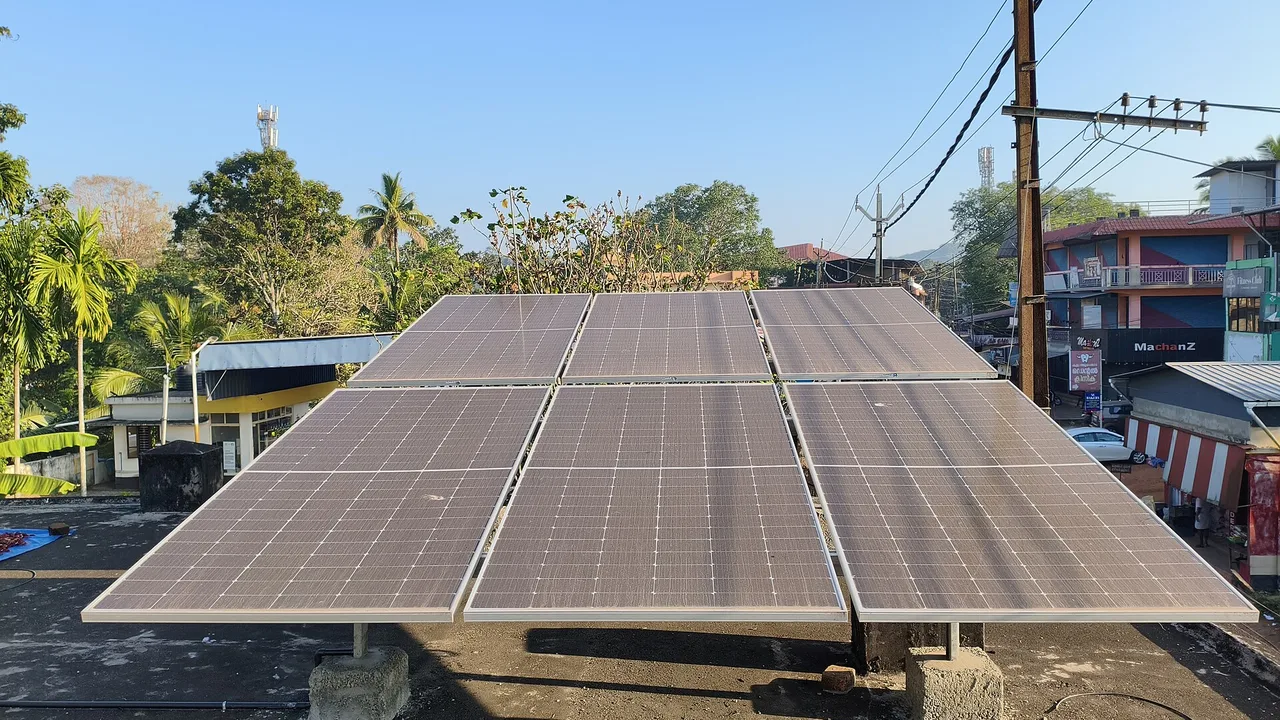
Few buyers think about the exit, but they should. Used diesel gensets depreciate brutally — a 5-year-old genset in good condition typically fetches 25–35% of its purchase price (approximate, resale market observation), because buyers discount for engine wear they can't verify. Inverter-battery systems hold value better at the component level: the inverter unit itself resells well, while batteries are priced as consumables. And for homeowners, a quality inverter-battery installation (or better, rooftop solar plus storage) is increasingly a resale feature for the property itself; a genset in the backyard is not.
The verdict
Unless the grid is absent or the loads are industrial, the inverter-battery bank wins the total-cost comparison by a wide margin — roughly half the five-year cost, silent, fume-free, and instant-on. The genset remains the right tool for off-grid sites and heavy commercial loads. Either way, buy on the card for the rewards, keep the EMI tenure short, and size the system honestly — the most expensive backup power is the kind that's undersized and replaced twice.


Comments
No comments yet
Be the first to share your experience with this card.