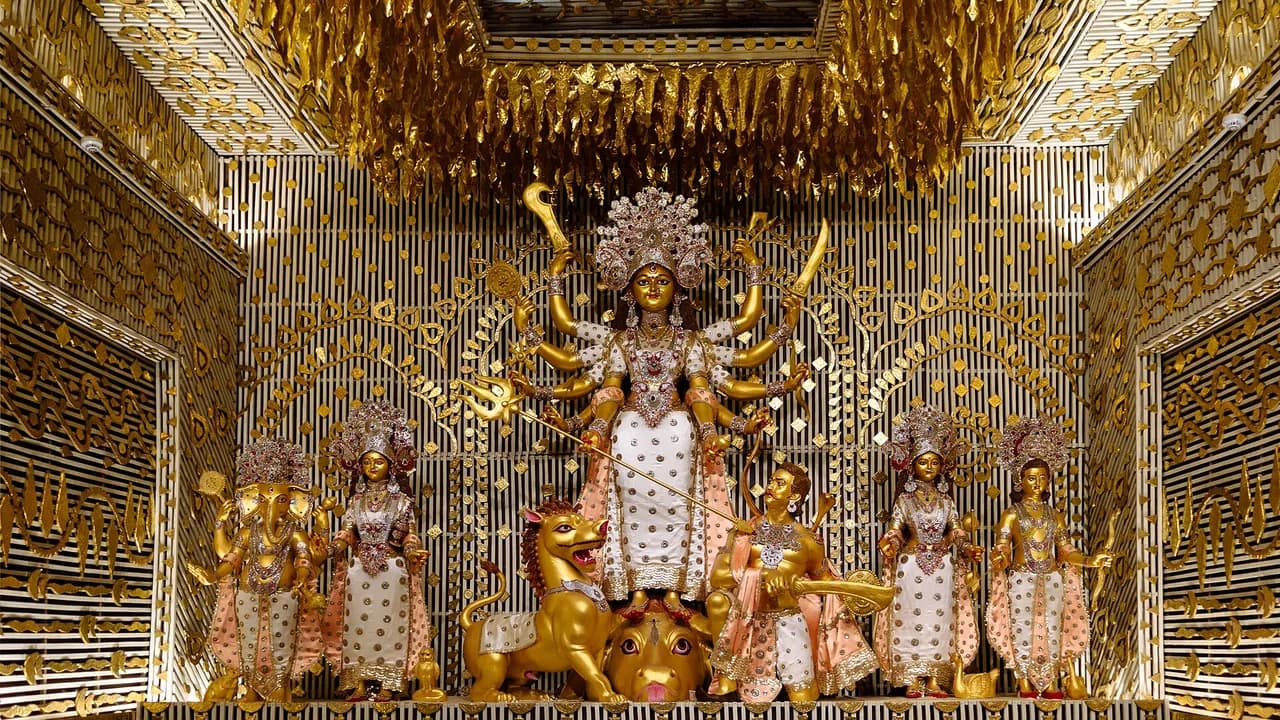
Durga Puja in Kolkata: Travel Home, Sari Shopping and Pandal-Season Spending on Credit Cards
Published: 18 October 2026 Category: comparisons | cardbuzz
Durga Puja — Sasthi through Dashami (roughly 18–22 October in 2026, with Ashtami on 19 October and Dussehra on 20 October) — is Kolkata's defining festival and one of India's largest urban spending events: homeward travel from across India and abroad, the year's biggest sari and festive-wear shopping, pandal-hopping across the city, and restaurant outings through the five days. This guide compares the card choices at each decision point, so the Puja fortnight earns the maximum the spending qualifies for.
Getting to Kolkata: flight vs train vs bus, compared
The Puja homeward rush fills every corridor into Kolkata — Delhi, Mumbai, Bengaluru, Chennai, Guwahati and Hyderabad. Compare the options on total cost, not just fare:
- Flights: Fastest but most holiday-sensitive on pricing; book early. Airline co-brand cards earn best on direct airline bookings. Compare against travel-portal fares on general travel cards, which sometimes carry instant discounts. Factor in airport cab costs at both ends.
- Trains: The economical backbone — Rajdhani, Duronto and premium services from major metros. IRCTC convenience fee: ₹15 plus GST (non-AC) or ₹30 plus GST (AC) per ticket, ₹10/₹20 plus GST via BHIM/UPI, per ticket not per passenger, non-refundable. Book the moment the roughly 60-day window opens; Puja-week berths vanish quickly. Some railway cards offer cashback or accelerated rewards on IRCTC — check the card's railway earn rate.
- Buses: Private sleeper services on shorter corridors (e.g., from Odisha, Bihar, Jharkhand). Dynamic festive pricing applies; aggregator bookings earn standard online-travel rewards.
The comparison: For a Delhi–Kolkata family of four, trains typically cost a fraction of peak-week flights even after the convenience fee — but cost 24+ hours. The card cannot change the fare gap; it can only maximise rewards on whichever option is chosen. Pick the transport on time-vs-money grounds, then optimise the card.
Sari shopping: New Market, Gariahat, boutiques and online — compared
Puja sari shopping spans four channels with different card economics:
- Traditional markets (New Market, Gariahat, Hatibagan): Negotiated prices, mixed card acceptance. Larger shops accept cards; smaller ones are cash/UPI. Bargaining power is real — a negotiated cash price sometimes beats the card price net of rewards, so compare honestly.
- Brand retail and malls: Full card acceptance, festive-season bank offers with instant discounts on minimum cart values, standard apparel rewards. The most predictable card economics.
- Boutiques and weaver-direct: Premium taant, baluchari and dhakai jamdani purchases — large single transactions ideal for the best flat-earn card or a milestone push. Check for card surcharges at smaller boutiques.
- Online: Marketplace Puja sales bring platform coupons plus card instant discounts. Best for standardised purchases; weakest for the touch-and-feel sari buying that Puja shopping often is.
The comparison: For a ₹20,000 Puja wardrobe (illustrative), the mall/boutique route with a card instant discount plus rewards usually beats the negotiated market price — unless the market negotiation is genuinely sharp. Run both numbers before assuming.
Pandal-hopping: the five-day outing budget
Sasthi to Dashami means five days of pandal-hopping — North Kolkata's heritage barowari pujas, South Kolkata's theme pandals, Deshapriya Park, College Square, Maddox Square. The spending is transport (cabs or metro), street food, and the occasional sit-down meal. Compare:
- Metro vs cabs: Kolkata Metro is the fastest way across the city during Puja evenings when roads gridlock — and dramatically cheaper than surge-priced cabs. Metro smart-card top-ups are small card/UPI transactions.
- Street food vs restaurants: Pandal-route street food (phuchka, ghugni, rolls) is cash/UPI territory and a fraction of restaurant prices. The sit-down Puja dinner (Continental, Chinese, Bengali fine-dining) is where the dining card earns — one celebratory dinner on the best dining card beats five street-food outings for rewards, though the street food wins on experience per rupee.
- Parking: For those driving, Puja-week parking near major pandals is scarce and priced accordingly — budget cash for it.
Anjali, dhunuchi and the ritual spends
Pushpanjali on Ashtami, dhunuchi dance, sindoor khela on Dashami — the ritual core of Puja. Ritual spends (flowers, puja samagri, dhunuchi, sindoor) are local-market cash/UPI purchases. New clothes for each of the five days are the card-relevant ritual-adjacent spend — and for many families, the single largest Puja outlay after travel. The five-outfit tradition makes Puja apparel spending structurally higher than festivals with a single new-clothes day; plan the card routing accordingly rather than treating each purchase as a one-off.
Gifting and Bijoya: the post-Puja round
Dashami's sindoor khela flows into Bijoya — the post-Puja visiting and gifting round, with sweets, clothes and gifts for elders. Bijoya sweet boxes bought in bulk from established sweet shops earn standard rewards where cards are accepted. As with other festivals, gift-voucher purchases are often excluded from rewards on many cards — buy the actual gift. Cash gifts come from the bank account, never from card cash advances.
Puja-week hotels for visiting family
Families hosting relatives through Puja often book hotel rooms for the overflow — and Puja-week Kolkata hotel rates run at festival premiums. Compare prepaid rates (cheaper, non-refundable) against flexible rates (pricier, cancellable), and note the pre-authorisation hold mechanics at check-in (holds of the room charges plus incidentals, released 7–15 days after checkout — keep headroom on the card). For NRI relatives visiting, international cards attract foreign transaction fees (typically 2–3.5%) — a domestic card or bank transfer is usually cheaper for large hotel bills.
Puja shopping for men, children and the full family
Puja new-clothes tradition covers the whole family, not just saris — kurta-pyjamas and panjabis for men, festive outfits for children, and new shoes for everyone. Children's festive wear sizing means in-person buying beats online for fit, and children's growth rates argue against premium pricing — mid-range festive outfits worn for one season are the rational buy. Men's panjabi and kurta shopping follows the same channel comparison as sari shopping: brand retail for predictable card offers, traditional markets for negotiated prices. Footwear for five days of pandal-hopping deserves its own thought — comfortable, broken-in shoes beat new festive footwear that blisters by Saptami.
Pandal-hopping with elders: accessibility and comfort costs
Pandal-hopping with elderly parents changes the economics: cabs replace metro, rest breaks need restaurant stops, and wheelchair assistance or priority access at major pandals may carry facilitation costs. Budget the comfort premium explicitly — it is non-negotiable spending, and planning it beats improvising it. Cab bookings through aggregators earn standard online rewards; the bigger optimisation is routing — cluster nearby pandals to minimise both fare and fatigue.
Dashami immersion: the final day's logistics
Dashami brings the immersion processions — truck and tempo hire for the idol, procession logistics, and the evening's quiet after five days of celebration. Immersion logistics are cash/UPI affairs organised by the para committee. The household's card-relevant Dashami spends are the Bijoya visiting round that follows: sweet boxes, gifts for elders, and the traditional Bijoya greetings across the extended family. As the festival closes, note the total Puja fortnight outflow — it is the baseline for next year's Puja budget and the reference point for Diwali spending three weeks later.
Reconciling the Puja fortnight: a comparison of what worked
After Dashami, do a structured review rather than a vague glance at the statement:
- Discounts: Did every claimed instant discount and coupon actually post? Festival checkouts are where promised discounts most often fail to apply.
- Category routing: Which card earned most, and did any large purchase land on a suboptimal card? Note it for Diwali (8 November 2026) — the lessons transfer directly.
- Cash leakage: How much of the fortnight's spending went cash/UPI by necessity (street food, rituals, markets)? That share is the ceiling on card optimisation — the goal is maximising rewards on the card-eligible portion, not lamenting the cash portion.
- Utilisation: If any card crossed 30% utilisation, note which spends drove it — that is the input for limit or card-count decisions before the next festival.
Pay in full. Puja rewards are meaningful only when the grace period is preserved; interest on carried balances (typically 3%+ per month once the grace period is lost) erases them many times over.


Comments
No comments yet
Be the first to share your experience with this card.