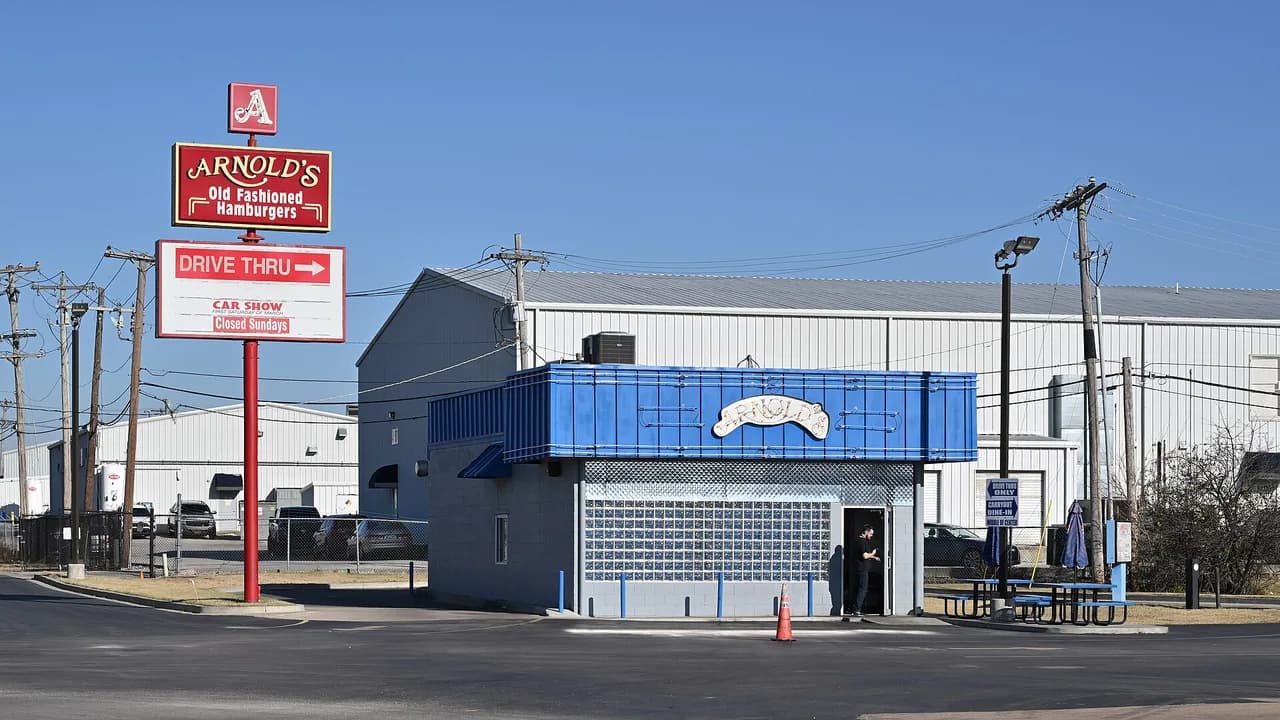
Drive-Thru, Takeaway and Pre-Order: Which Channel Pays Best on Card
Published: 18 October 2026 Category: comparisons | cardbuzz
The same burger can cost three different amounts depending on how it is ordered: at the drive-thru window, as a takeaway at the counter, or pre-ordered on the chain's app. The payment method interacts with each channel differently — card offers, fees, and reward categories all shift. Here is how the channels compare for card users.
The four channels, defined
- Drive-thru: order and pay at the window, food handed over in the car.
- Counter takeaway: order inside, pay at the till, carry out.
- Chain's own app (pre-order): order ahead on the brand's app or website, pay online, pick up.
- Aggregator app: order through a food-delivery platform, pay online, delivered or picked up.
The bill for an identical order can differ across these because of channel-specific pricing, fees, and offer eligibility. The card is only one variable.
Where card offers actually apply
Bank and chain card offers most reliably attach to the chain's own app and website. That is where the merchant controls the payment page and can recognise an eligible card. Illustrative pattern: a 10% instant discount on a bank's cards, valid on the chain's app with a minimum order — the same card tapped at the drive-thru window often gets nothing, because the window runs a generic terminal with no offer logic.
Counter takeaway sits in the middle: some chains extend app offers to in-store QR payments, but the physical card terminal at the window or counter rarely carries the promotion. Drive-thru is the weakest channel for card offers — it optimises for speed, not for promotions.
The fee landscape by channel
| Channel | Typical extra fees | Card offer likelihood |
|---|---|---|
| Drive-thru window | None beyond menu price | Low |
| Counter takeaway | None; sometimes packaging charge | Low–medium |
| Chain's own app | Usually none; occasional convenience fee | High |
| Aggregator app | Platform fee + delivery fee + packaging | Low (chain offers usually excluded) |
The aggregator row is the expensive one. Platform fees, delivery charges, and packaging can add an illustrative ₹60–100 to an order — dwarfing any card reward the transaction might earn. A card offer on the chain's app beats a "reward-earning" aggregator order almost every time, because the fee saving is larger than the reward.
Reward categories: does the channel change the earn?
Mostly, no — with one important exception. Card transactions at QSR merchants typically code as dining or restaurants regardless of channel. The exception is wallet loads and gift-card purchases: topping up a chain's wallet through its app with a credit card sometimes codes as a wallet load rather than dining, which can earn at a lower rate or be excluded entirely on some cards. Paying for the order directly (not via wallet top-up) keeps the dining categorisation clean.
The optimal channel playbook
- Check the chain's app first. If a card offer is running there, it is usually the cheapest total — menu price minus offer, no delivery fees.
- Pre-order for pickup when the app supports it: same price as the app order, zero waiting, full offer eligibility.
- Use drive-thru for speed, not savings. Accept that the card is just a payment method there, not a discount tool.
- Avoid the aggregator for chains that have their own ordering app, unless the aggregator is running its own promotion that beats the chain's offer. Compare the final payable amounts, not the headline discounts.
The takeaway order of operations
For a regular QSR order, the decision sequence is: channel first, payment second. Pick the cheapest channel (usually the chain's own app with pre-order pickup), then pay with the card carrying the best applicable offer or dining earn rate. Getting this backwards — choosing the card first and letting it dictate the channel — is how people end up paying delivery fees to earn rewards worth a fraction of those fees.

Comments
No comments yet
Be the first to share your experience with this card.