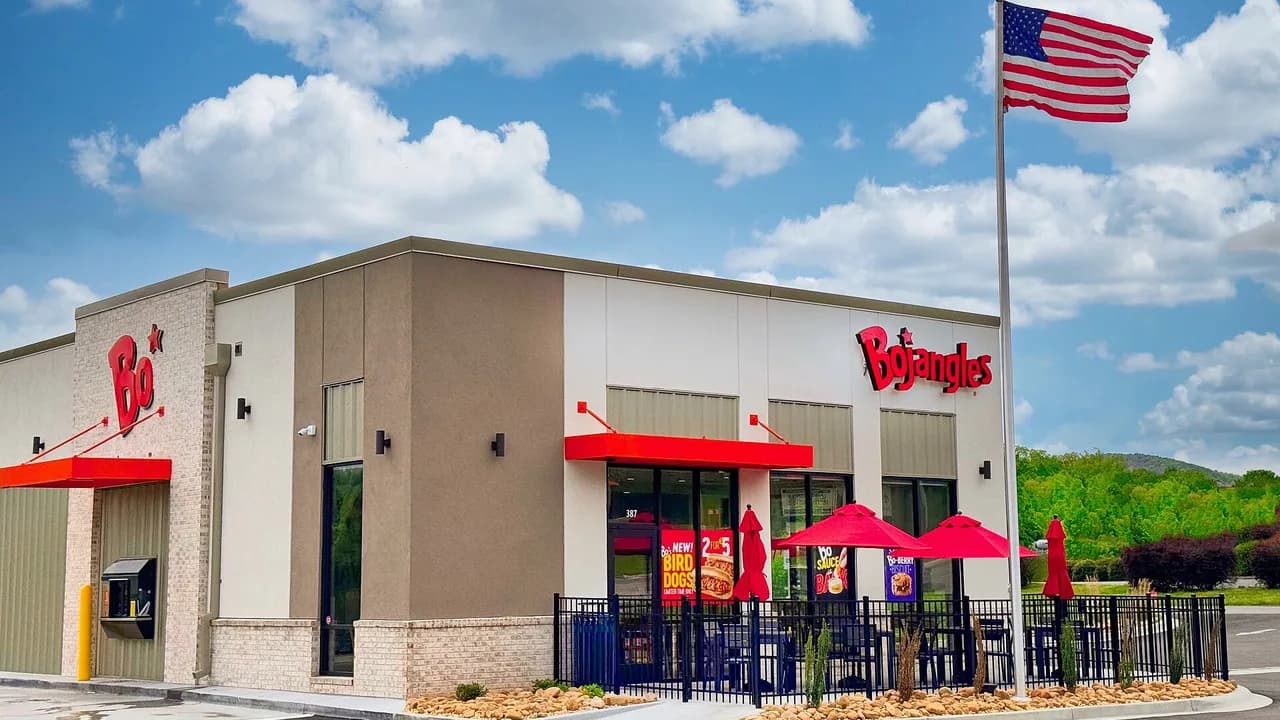
QSR Counters: When Paying by Card Beats UPI for Burgers and Pizza
Published: 18 October 2026 Category: comparisons | cardbuzz
At a quick-service counter, UPI is the default. It is fast, everyone accepts it, and the cashier barely looks up. So why would anyone reach for a credit card to pay for a ₹399 burger meal? Because in specific, repeatable situations, the card quietly pays better. The trick is knowing which situations those are — and not pretending the card wins everywhere.
The honest baseline: UPI usually wins on speed and simplicity
UPI has real advantages at QSR counters that cards cannot match. There is no card machine queue, no PIN entry, no signature, and no risk of a failed chip read holding up the lunch rush. For a single ₹200 transaction with no offer attached, UPI is the sensible choice. Anyone who claims cards beat UPI on every QSR visit is selling something.
The card's case rests on three specific edges: merchant offers, bank offers, and milestone value. When none of the three is in play, UPI takes the round. Note that this comparison assumes the outlet accepts both payment modes without an added fee on either — a card surcharge or a UPI cashback changes the arithmetic immediately.
Edge 1: chain-specific card offers
Quick-service chains run card promotions constantly — percentage discounts, buy-one-get-one deals, or cashback tied to specific banks' cards. These are the most visible card wins at the counter. A few practical notes:
- Offers usually require a minimum order value (illustratively, ₹299 or ₹499) and apply only on the chain's own app or website, not third-party delivery.
- They rotate by bank and by month. An offer on one bank's cards this quarter may move to another bank next quarter.
- The discount is typically capped per transaction or per month — read the cap before assuming the headline percentage applies to a family order.
When a genuine, current offer applies to a card already in the wallet, the card wins that visit by a clear margin.
Edge 2: bank dining and milestone value
Some cards accelerate rewards on dining spends, and QSR transactions usually carry dining or restaurant merchant codes. Illustratively, suppose a card earns rewards worth 1% on general spends but 3–5% (illustrative) on dining. A ₹500 family pizza order then earns rewards worth ₹15–25 instead of ₹5 — a small but real gap that compounds over weekly visits.
The subtler edge is milestone contribution. Cards with quarterly dining milestones or annual spend-linked fee waivers count every rupee. A household spending ₹2,000 a month at QSR chains contributes ₹24,000 a year toward such targets — meaningful progress from a spend category most people write off as too small to matter.
Edge 3: the aggregator-order trap
One caution: ordering the same burger through a food-delivery app instead of the chain's own counter often changes the economics. Delivery apps add platform fees, packaging charges, and delivery fees, and the chain's card offer may not apply there. Before comparing "card vs UPI", compare "counter vs delivery app" — the channel choice usually moves the bill more than the payment choice.
A simple decision rule
| Situation | Better choice |
|---|---|
| No offer running, single small order | UPI |
| Chain running a card offer you hold | Card |
| Large family order, card earns dining rewards | Card |
| Card has a spend milestone in sight | Card |
| Counter adds a card surcharge | UPI |
| Paying through a delivery app with its own fees | Compare channels first |
The pattern is consistent: UPI is the default, and the card earns its place only when an offer, a reward rate, or a milestone is genuinely attached to the transaction. Check for those three before tapping — it takes five seconds and it is the entire strategy.



Comments
No comments yet
Be the first to share your experience with this card.